Dialogues des Carmelites
Overview
Based on a true story, the "Dialogues des Carmelites" sets the life of the Carmelites nuns at the dawn of the French Revolution. “Robert Carsen's production is effective in its simplicity, allowing the drama to speak for itself. Dagmar Schellenberger compellingly conveys Blanche's journey from distress to acceptance… Anja Silja's portrayal of the old Prioress is outstanding, with its disturbing transformation from serene wisdom to terrified, blasphemous, near-madness as death approaches. ...Riccardo Muti and the La Scala orchestra in magnificent form, captured in magnificent sound. Ultimately, it is the final scene, with its multiple executions, that makes or breaks a production of Dialogues. Carsen's allegorical solution is both elegant and deeply moving.” BBC Music Magazine, September 2007
Top Cast

Christopher Robertson
Marquis de la Force

Dagmar Schellenberger
Blanche de la Force
Gordon Gietz
Chevalier de la Force
Anja Silja
Madame de Croissy
Gwynne Geyer
Madame Lidoine
Barbara Dever
Mere Marie de l' incarnation

Laura Aikin
Soeur Constance
Annamaria Popescu
Mere Jeanne
Sara Allegretta
Soeur Mathilde
Key Film Crew
Production Stats
You May Also Like
A look at the life and music of legendary singer and civil rights activist, Mavis Staples.
Mavis!
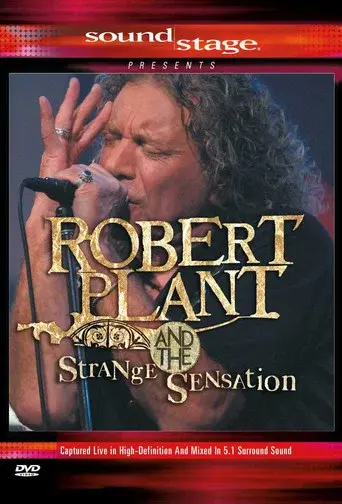

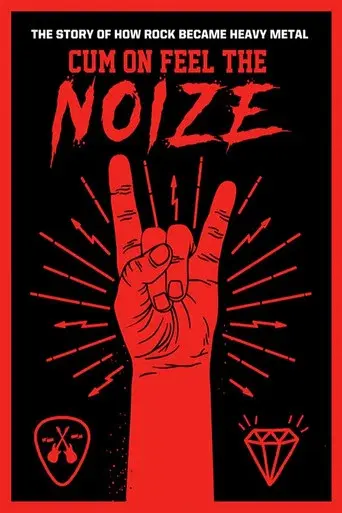
Exclusive, long-lost live material from rock's most iconic bands and artists, as well as original interviews with the living legends themselves, including Alice Cooper, Ozzy Osbourne, Jimmy Page, Nikki Sixx, David Draiman and more.
Cum On Feel The Noize

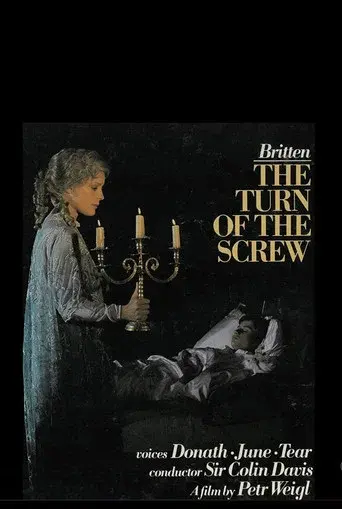
Benjamin Britten’s opera of the Henry James novel. An inexperienced governess is sent to a country house to care for two children, whom she is gradually convinced have been corrupted by the ghosts of a previous manservant and governess…
The Turn of the Screw
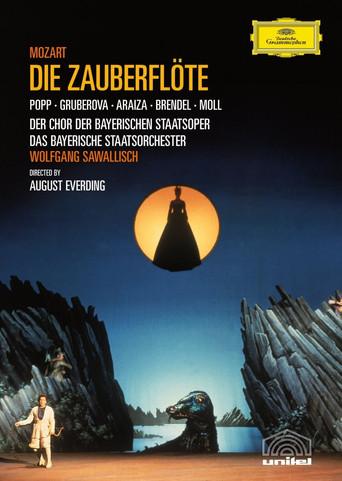
The Queen of the Night enlists a handsome prince named Tamino to rescue her beautiful kidnapped daughter, Princess Pamina. Aided by the lovelorn bird hunter Papageno and a magical flute that holds the power to change the hearts of men, young Tamino embarks on a quest for true love, leading to the evil Sarastro's temple where Pamina is held captive.
The Magic Flute
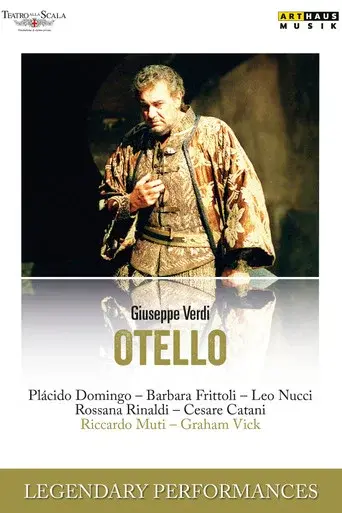
This was Domingo's last set of performances as Otello in La Scala. In spite of his relatively advanced age, he is still in excellent form, both vocally and in terms of stage presence. Nucci is also his usual self, delivering a performance of very high standard. Barbara Frittoli is an excellent Desdemona, in good voice and gives a very moving performance. Muti conducts with great emotion and tight accuracy, conveying the full orchestral drama of the score.
Otello

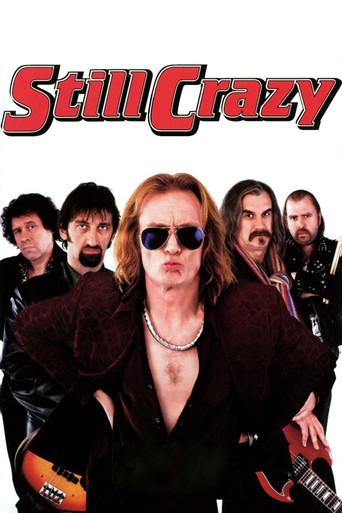
In the 1970s, Strange Fruit were it. They lived the rock lifestyle to the max, groupies, drugs, internal tension and an ex front man dead from an overdose. Even their demise was glamorous; when lightning struck the stage during an outdoor festival. Twenty years on, these former rock gods they have now sunk deep into obscurity when the idea of a reunion tour is lodged in the head of Tony, former keyboard player of the Fruits. Tony sets out to find his former bandmates with the help of former manager Karen to see if they can recapture the magic and give themselves a second chance.
Still Crazy

This is a good video of "Figaro", but there are a couple of better ones available. The Bohm and the Pappano are better still due to the female members of the casts. The reason for buying this one is the "Figaro", Bryn Terfel. No one can top him today in that role. John Eliot Gardiner also stands out. Many of us have voiced their opinion that If the Metropolitan Opera would release it's 1998 version, that would be the one to get.
The Marriage of Figaro
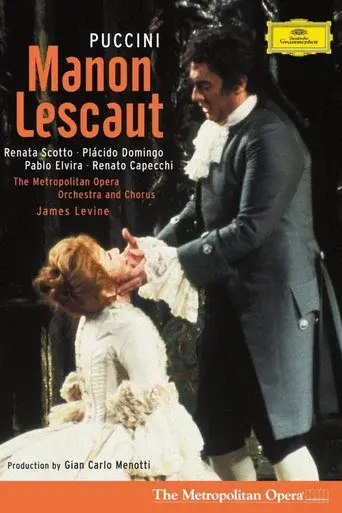
All the throbbing eroticism—and ultimate heartbreak—of Puccini’s youthful score is unleashed by James Levine and his top-flight cast. Plácido Domingo is Des Grieux, the handsome, headstrong young aristocrat who falls head over heels for the enticing, impetuous Manon Lescaut (Renata Scotto). Manon returns his love, but her obsession with luxury ruins them both. Gian Carlo Menotti’s opulent production, with sets and costumes by Desmond Heeley, superbly captures the colorful world of 18th century France.
Puccini: Manon Lescaut
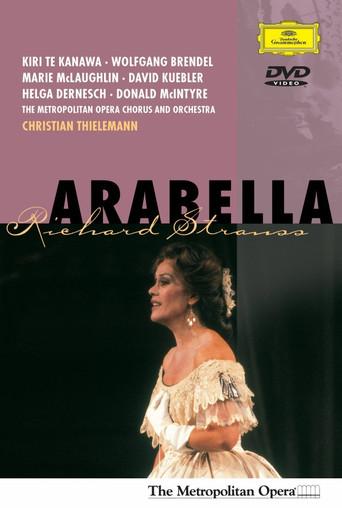
Arabella, Op. 79, is a lyric comedy or opera in three acts by Richard Strauss to a German libretto by Hugo von Hofmannsthal, their sixth and last operatic collaboration.
Arabella
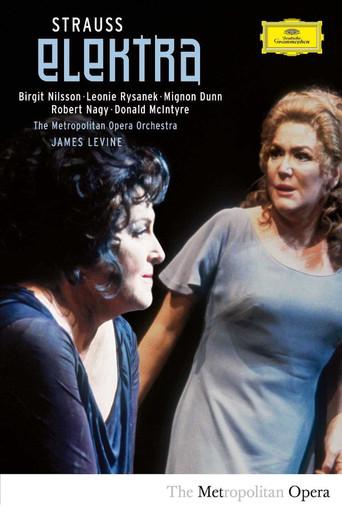
It's hard to imagine confirmed Straussians not wanting this starry Metropolitan Opera performance of Elektra. Strauss and his librettist, Hugo von Hofmannstahl, transformed Sophocles' take on Homer's tale into a harrowing opera noir. Elektra lives for one reason, to kill her mother, Klytämnestra, and her stepfather, Aegisth, the murderers of her father, Agamemnon. In contrast to Elektra's vengeful obsession, her sister Chrysothemis desires to get on with life. When their long-missing brother, Orestes, returns to do the deed, Elektra celebrates with a dance of death and, her sole purpose in life fulfilled, dies. Strauss joined the hermetic plot to music of the utmost opulence, violent and yearning by turns, evoking the cardinal principles of Greek tragedy - pity and terror.