
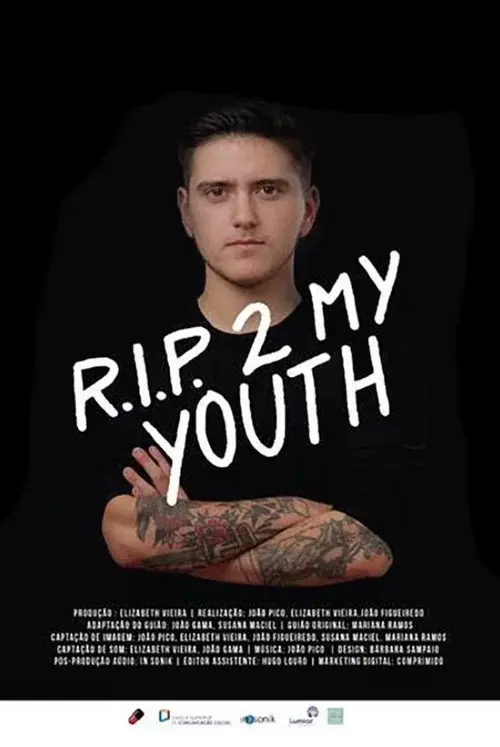
RIP 2 My Youth
Overview
A Portuguese documentary about Isaac dos Santos, a 20-year-old going through the process of gender transition. From a very young age, Isaac realized that he did not identify with the female sex, having decided to change his life and his body when he was only 18 years old. The documentary lets you see the whole process of Isaac's transformation, a hard but rewarding journey marked by his strong charisma and determination.
Key Film Crew
Production Stats
You May Also Like

In Tennessee, and across the South, transgender people like Graham and Zeke face a daily struggle in their pursuit of equal protection under the law. From so-called 'bathroom bills' to laws restricting their ability to change their sex on legal documents, not to mention the personal and familial challenges as you transition, life is not easy nor fair for trans folk.
Graham and Zeke

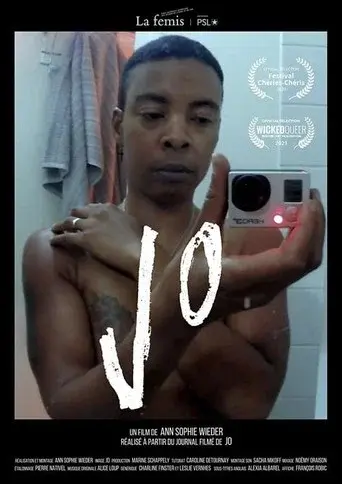
Jo is a 40-year-old transgender man addicted to cocaine. This addiction prevents him from achieving his transition in good conditions, and from maintaining fulfilling relationships. He is trying to quit drugs and to make a fresh start.
Jo

In 2016, transgender teen Gavin Grimm sued his local school board after its members refused to let him use the bathroom of his choice. He was ready to take his case all the way to the Supreme Court—and then the election happened.
Gavin Grimm vs.
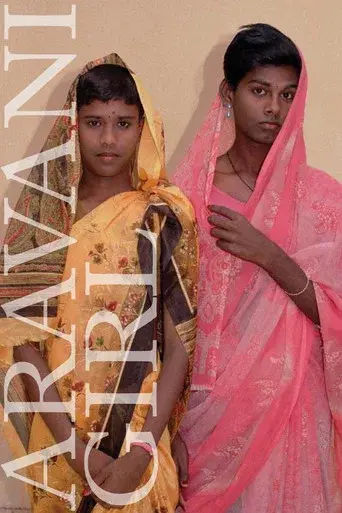
Sixteen year olds Palani and Karthik want to become "ladyboys." They're bullied in school and beaten by their families. Their parents would like to see them grow up as normal boys, but they're falling deeper and deeper into the world of the "Aravanis." Loved as dance performers but hated as homosexuals, their stories emblazon the inner conflicts of India's gender culture today.
Aravani Girl
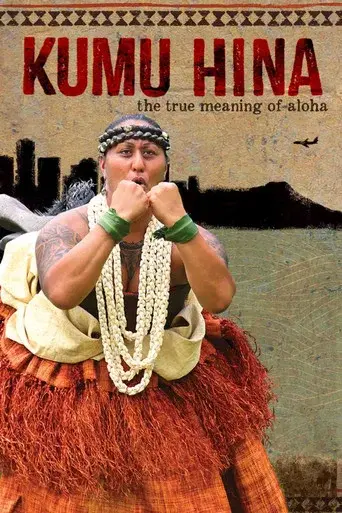
A powerful film about the struggle to maintain Pacific Islander culture and values within the Westernized society of modern day Hawaiʻi. It is told through the lens of an extraordinary Native Hawaiian who is both a proud and confident māhū, or transgender woman, and an honored and respected kumu, or teacher, cultural practitioner, and community leader.
Kumu Hina

Call Me Malcolm is an amazing story of the human spirit and God's spirit, and the liberating struggle to realize and express with confidence the marvelous gift of one's truest sense of self. As Malcolm shares his own story and through the stories of others we meet, Call Me Malcolm offers us a glimpse into the real lives of real people who are transgender. But it is only a glimpse. There are many stories to be told and Malcolm helps us make connections to our own stories, encouraging us to share them. That can seem daunting in a culture which has done more to heap shame on persons who identify as transgender. The good news of Malcolm's story is the way in which shame and fear are overcome by grace, compassion and knowledge. Viewers cannot help but come to a deeper understanding of faith, love, and gender identity, and by doing so, arrive at a deeper understanding of their own journey.
Call Me Malcolm

After the death of his parents, a gay man comes back to his village to live in his small world of happiness, dreams, sadness and loneliness.
Auntie
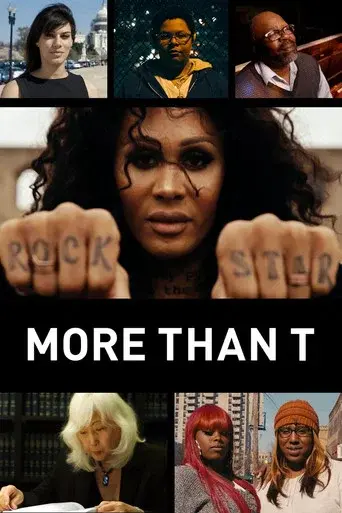
Seven transgender and gender nonconforming individuals share their unique experiences with Silas Howard.
More Than T

At 37 years old, James Lórien MacDonald begins testosterone treatments as he transitions from female to male.
Manning Up
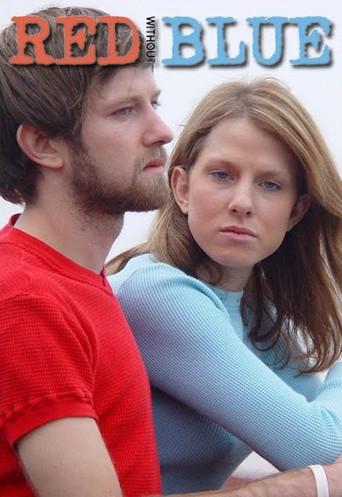
The intimate bond between two identical twins is challenged when one decides to transition from male to female; this is the story of their evolving relationship, and the resurrection of their family from a darker past.
Red Without Blue

Four Spanish-language shorts about the importance and complexity of people's perception from award winning directors. Stories of identity, misconceptions, regrets, dreams and love are told in this diverse collection. Includes: Tenants [Inquilinos] (2018); My Brother [Mi hermano] (2015); Guillermo on the Roof [Guillermo en el tejado] (2018); You Are Not a Woman [Usted no es mujer] (2018).
What the Eyes Can't See

An investigation of how Hollywood's fabled stories have deeply influenced how Americans feel about transgender people, and how transgender people have been taught to feel about themselves.
Disclosure
Consider Manhattan a sprawling Hollywood set. Amongst the swarms of people that crowd the streets like extras, Fayaaz Bijli is another face relegated to the background of our visual spectrum. Come sundown, however, and the inconspicuous Fayaaz morphs into the iconic personae of ‘Bijli,’ a voluptuous Pakistani drags queen. Yet beneath the flamboyant stage presence lies a courageous individual who has carved out a unique and cherished identity for herself in a world that has been all too quick to label her as an ‘outsider’. Defining herself as a woman stuck in a man’s body, Fayaaz has spent her life struggling between the polar tensions of male/female, East/West and Islamic faith/promiscuity. This film is a glimpse into Fayaaz’s psyche as she navigates her way through a New York City life.
Bijli

Where does voguing come from, and what, exactly, is throwing shade? This landmark documentary provides a vibrant snapshot of the 1980s through the eyes of New York City's African American and Latinx Harlem drag-ball scene. Made over seven years, PARIS IS BURNING offers an intimate portrait of rival fashion "houses," from fierce contests for trophies to house mothers offering sustenance in a world rampant with homophobia, transphobia, racism, AIDS, and poverty. Featuring legendary voguers, drag queens, and trans women — including Willi Ninja, Pepper LaBeija, Dorian Corey, and Venus Xtravaganza.
Paris Is Burning

Over the course of 10 months, a camera travels to Buenos Aires, Argentina and Hanover, Germany to meet with Magalí, María Belén, Ivana and Carla, the founding members of the Archivo De La Memoria Trans Argentina, the first existing Trans Archive in the world. Taking the shape of a photo-novel, the documentary not only recounts the founding members lives as trans women under the Argentine dictatorship (1976-1983), the AIDS epidemy, state repression and mass assassinations but also years of fighting for their rights, sorority and the exaltation of life and laughter in times of death. Filming each one of them is filming them embracing their new role as curators, archivists and historians while a collection of 7,000 photos goes through the filter of their memories.
