

Overview
Four men from a nomadic Tibetan tribe undertake their annual, ritualistic pilgrimage to a sacred salt lake. Salt gathered in this traditional fashion will be sold to provide the economic livelihood of the tribe for the coming year. The journey, necessary for the group's survival, also incorporates a number of rituals necessary for their culture to survive in the modern world.
Top Cast

Margen
Old Mother
Pargen
Old Father
Zopon
Lord of the Animals
Bopsa
Novice
Key Film Crew
Production Stats
You May Also Like

Melba, a traditional salt maker from Pasuquin, Ilocos Norte, Philippines, struggles to sustain their heirloom craft due to the effects of climate change. The salt-making process, which relies heavily on dry weather, is threatened by increasingly unpredictable weather patterns in the Philippines, putting their tradition at risk.
Panagsana


Join us as we explore life on the highest mountain plateau on Earth. This beautiful and other worldly place is also one of the harshest on the planet. We follow the lives of some of the iconic creatures that call it home. From Tibetan wolves struggling to raise pups in the rugged peaks, and rare snub nosed monkeys facing family dramas on the forest slopes to chiru antelopes that travel hundreds of miles to give birth while facing death, and hardy pika who tough out the elements all year, whilst under constant attack. Discover how these extraordinary animals manage to not only survive, but also thrive on the roof of the world.
Tibet: Roof of the World

A representation of queer and feminist imagery that was mainly shot in the Qinghai-Tibetan Plateau, remote and developing areas in southwest China, and metropolitan cities like Beijing from 2000 to 2004 to document the social changes in contemporary China. The director sympathetically and erotically represents a variety of women, including women as laborers, women as prayers, women in the ground, women in marriage, and women who lie on the funeral pyre with their dead husbands. Her camera juxtaposes the mountains and rivers in old times, the commercialized handicrafts as exposition, the capital exploitation of the elders’ living space, and the erotic freedom of the young people in a changing city.
Women 50 Minutes
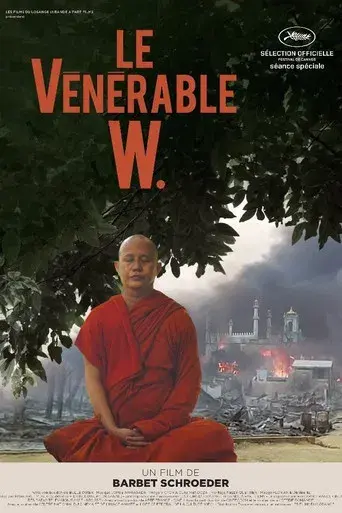
A view of the religious tensions between Muslims and Buddhist through the portrait of the Buddhist monk Ashin Wirathu, leader of anti-Muslim movement in Myanmar.
The Venerable W.

In recent years, the number of people living in a bus or camper has increased significantly. But for this growing group, there are fewer and fewer places where you can legally park. The Kardinge car park in Groningen, a popular refuge for people staying in their campers, is also under pressure. Does the Netherlands actually have room for nomads and what drives people to want to live off the beaten track? Filmmaker Tom Tieman temporarily goes into hiding at the Kardinge car park and meets the current residents. Read more
Nomadenland

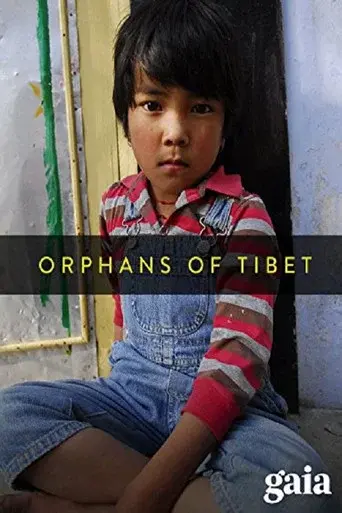
Each year, groups of Tibetan children secretly flee their homeland over the Himalayas to reach schools in India founded by the government in exile. Entrusted to smugglers, they are risking their lives by illegally crossing the great Himalayan range, a towering rampart between Tibet and India. The director will take us in the Mussorie school, in North India, where two thousand four hundred children have been rescued. They have left behind their family childhood and are now considered as orphans. We will discover the itineraries of Sonam, aged nine, and Dholma, the little new girl of the school. Here in India, they are taught about Tibetan culture and will find out about the history of their country and their ancestors. Sonam and Dholma's story is that of thousands of Tibetan children. Are they orphans of a lost country or bearers of hope who will save an endangered culture?
Orphans of Tibet

A documentary on the experiences of the Nubetya Yaptiks nomadic family in the Yamal Peninsula, Eastern Siberia, from 1992 to 2001.
Mothers of Life
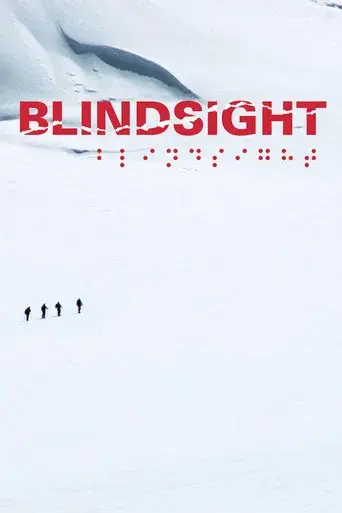
Six blind Tibetan teenagers climb the Lhakpa-Ri peak of Mount Everest, led by seven-summit blind mountain-climber Erik Weihenmayer.
Blindsight

Street art, creativity and revolution collide in this beautifully shot film about art’s ability to create change. The story opens on the politically charged Thailand/Burma border at the first school teaching street art as a form of non-violent struggle. The film follows two young girls (Romi & Yi-Yi) who have escaped 50 years of civil war in Burma to pursue an arts education in Thailand. Under the threat of imprisonment and torture, the girls use spray paint and stencils to create images in public spaces to let people know the truth behind Burma's transition toward "artificial democracy." Eighty-two hundred miles away, artist Shepard Fairey is painting a 30’ mural of a Burmese monk for the same reasons and in support of the students' struggle in Burma. As these stories are inter-cut, the film connects these seemingly unrelated characters around the concept of using art as a weapon for change.
Art as a Weapon

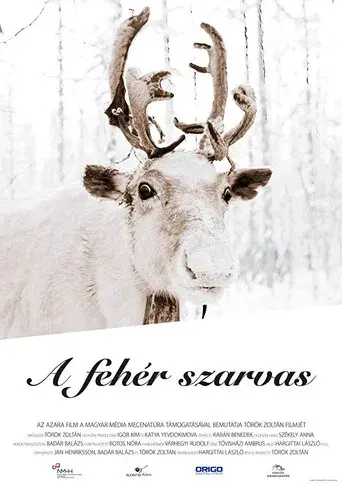
Imagine one of the most remote wildernesses in the world. Granddaughter Masha and Vladimir, the protagonists of this story from Central Siberia try the impossible to keep their nomadic traditions alive.
The White Reindeer

As a boy, Dawa was an illiterate Tibetan nomad whose life revolved around herding yaks. At 13, his life changed: through a series of visions, Dawa acquired the gift of telling the epic story of Tibet’s King Gesar. Now, at 35, Dawa receives a salary from the government as a guardian of national cultural heritage and is regarded as a holy man by his community. When an earthquake reduces his hometown to rubble, redevelopment of the region takes a giant leap forward. In the midst of such seismic shifts, Dawa seeks healing from King Gesar and other divine protectors of the land.