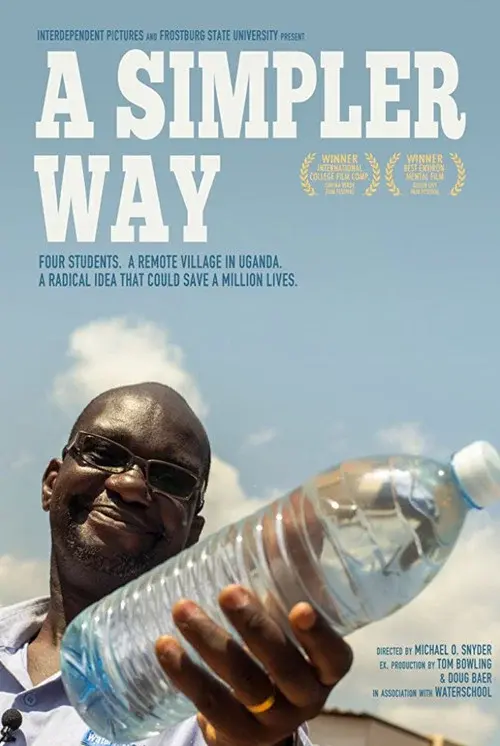
A Simpler Way
“Four students. A remote village in Uganda. A radical idea that could save a million lives.”
Overview
Four students from the President's Leadership Circle at Frostburg State University journey to a remote village in Uganda to discover a radically simple solution to an urgent global problem. What they find there changes their lives in unexpected ways. A Simpler Way is a documentary production from Frostburg State University and Interdependent Pictures that explores the need for simple, affordable solutions to global development issues and the role of personal experience in meaningful, transformative education.
Top Cast

Doug Baer
Self
Micayla Bowman
Self
Zepha Mukalere
Self
James Muzinga
Self
John Ochieng
Self
Jonathan Shadel
Self
Sharita Sivels
Self
Justin Ternent
Self
Key Film Crew
Production Stats
You May Also Like
A medium-length documentary commissioned by the Cuenca City Council. The documentary shows an honest, sincere, although sometimes mere tourist portrait, of the lands of Cuenca and its people, without artifice or imposture, with feeling and authenticity and at the same time with marked coldness.
Cuenca

The carnage in Sarajevo provides the focus of this French documentary which seeks to call attention to the terrible conflict in the hopes of finally ending it. The film is divided into five parts. Each part covers a time frame ranging from April 4, 1992, the beginning of the war, to the present. The major issues that occur are three-fold. It depicts the systematic genocide of Bosnians, the silence of Western countries, and the determination of the Bosnians to resist. They refuse to be seen as victims, even though the filmmakers portray them so. Also included are the origins and political aspects of the war. It offers interviews with participants. It also reveals how the U.S. State Department censored reports about Serbian death camps.
Bosnia!
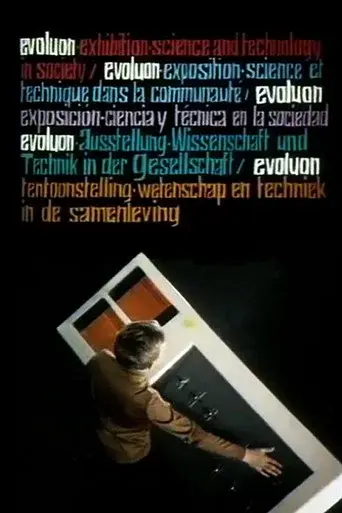
A 12 minute film about the Evoluon [a conference centre and former science museum erected by the electronics and electrical company Philips at Eindhoven in the Netherlands], of which is thought that it was made in 1969 by Bert Haanstra or Pim Heytman. British TV viewers will probably remember this movie, since the BBC used it for test transmissions. In those transmissions a number of films was broadcast every day in the early seventies so technicians could adjust the new color TVs they installed at customers homes. —http://www.dse.nl/~evoluon/film-e.htm
Evoluon
A boy who is kicked out of his post-apocalyptic camp is forced to try and find a new home, as well as, civilisation without being caught by the unknown beings that lie ahead.
Don’t Leave Me
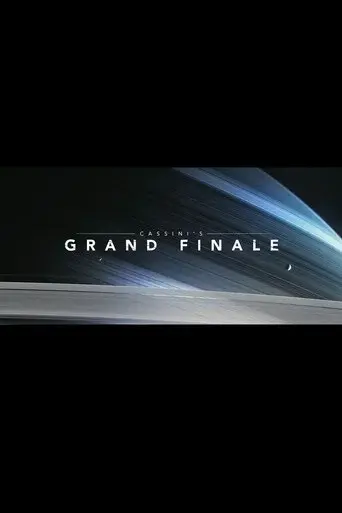
To help visualize the dramatic final chapter in Cassini's remarkable story, NASA's Jet Propulsion Laboratory produced this short film that features beautiful computer-generated animation, thoughtful narration and a rousing score. Producers at JPL worked with filmmaker Erik Wernquist, known for his 2014 short film "Wanderers," to create a stirring finale video befitting one of NASA's most successful missions of exploration.
Cassini's Grand Finale

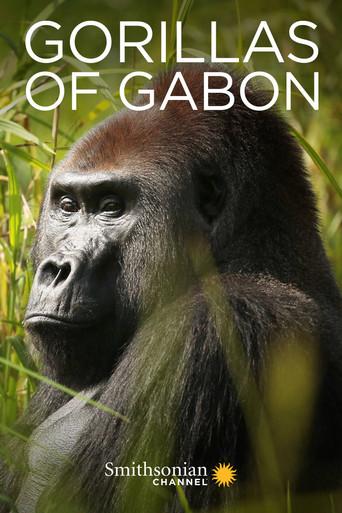
A race is on to save Gabon’s Moukalaba-Doudou National Park and the silverback gorillas that call it home. Once, this area was protected by a thriving oil industry, but now, big companies are moving out and the logging industry is poised to move in. Ecotourism could be the only way to prevent the trees of this rainforest from coming down, but a team of conservationists needs to make the gorillas of Gabon tolerant of humans first. Follow them as they get up-close with the gorillas, study their moves, and journey to war-torn Central African Republic to learn the secrets of successful gorilla habituation.
Gorillas of Gabon
A strange and mischievous documentary on an archeological site in the Qaytarieh hills in Tehran. This short narrates the story of the dead people who wished never to be found.
The Hills of Qaytariyeh
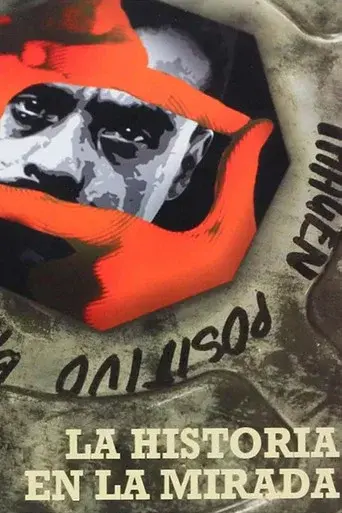
The film portraits the stage previous to the outbreak of the Mexican Revolution, from the end of Porfirio Díaz´ government, the social volatility, the ephemeral government of Madero and the presence of the working class in the figures of Villa and Zapata, until the signing if the Constitution of 1917. All of this through moving images, filmed during those events mainly by the Alva brothers, filmmakers of that time. Those images let us perceive the contradictory and shuddered glance of the people of that period.
The History in the Gaze
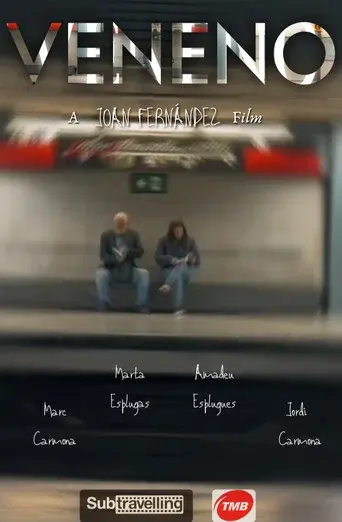
Filmed to praise the work of the Spanish Ministry of Housing in solving the problem of shanty towns in Bilbao, it was made to be viewed by General Franco and not for public screening or distribution through the NO-DO newsreel. Although the short film was commissioned by the Ministry of Housing, director Jorge Grau produced a subtly critical work.