

Our Inflammable Film Heritage
Overview
Introduction to an extensive training program for everyone professionally involved in the process of film conservation and film restoration. The realization of this training program was initiated and coordinated by ECIPAR (Bologna-Italy) and the Cineteca del Comune di Bologna. It was produced in co-operation with eleven European film archives and film laboratories and co-financed by the FILM project - FORCE program of the European Community.
Top Cast

Robin Blackler
Voice
Key Film Crew
Production Stats
You May Also Like

After showing us some of Elland’s places of special interest, including the home of one of The Bachelors, we are taken on a tour of local sweet manufacturers Joseph Dobson & Sons. From boiling up the syrup, to stretching the resultant goo and cutting out the individual shapes, each stage of the process of making boiled sweets is demonstrated and explained. The end product is rows of jars of Rainbow Crystals, Yorkshire Mixtures and Voice Tablets selling at 16 pence a Qtr.
The Sweet Life
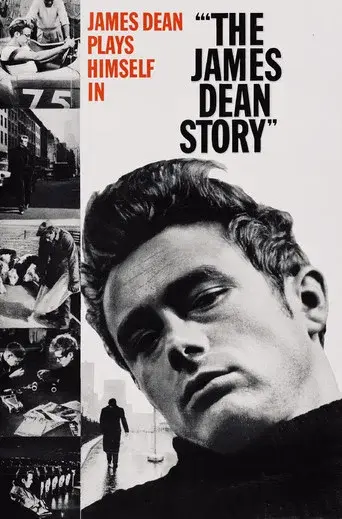
Released two years after James Dean's death, this documentary chronicles his short life and career via black-and-white still photographs, interviews with the aunt and uncle who raised him, his paternal grandparents, a New York City cabdriver friend, the owner of his favorite Los Angeles restaurant, outtakes from East of Eden, footage of the opening night of Giant, and Dean's ironic PSA for safe driving.
The James Dean Story
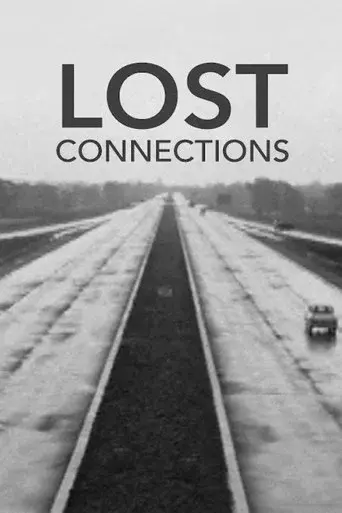
Made possible through a unique UK-wide collaboration of national and regional publicly-funded film archives, Lost Connections draws on a century of archive footage that invites reflections on loss, loneliness, isolation, and expressions of desire, optimism, hope and renewal. It is not a film about the pandemic, it is a film about recovery, the human character, sadness and joy, what we really value, and our gradual reconnection with each other, our communities, and the world around us.
Lost Connections

September 23, 2022 marks the 52nd anniversary of the death of Bourvil (1917-1970). Radio, sketches, boulevard theater, operetta, cinema, songs whimsical or tender, Bourvil is present in all areas of popular culture. Carried by the voice of Valérie Lemercier, this portrait of the artist allows us to rediscover his most beautiful songs, from Les Crayons to La Tendresse, and the highlights of his filmography, from the cult scenes of La Traversée de Paris, Le Corniaud and La Grande Vadrouille to Le Cercle rouge. We also rediscover the richness of his career as a singer and actor, with some little known nuggets. The testimony of Bourvil's two sons, unpublished family films and numerous archives tell the story of the all too brief life of this endearing man.
La Traversée de Bourvil
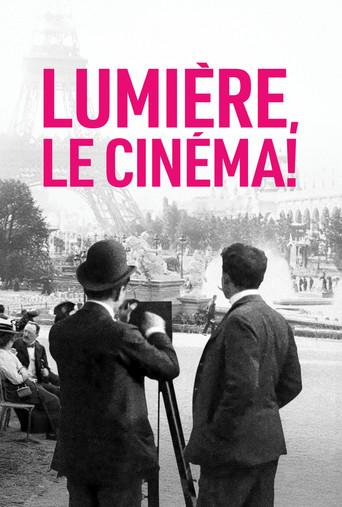
In one of those wonderful coincidences of history, lumière, the French word for “light,” was also the last name of brothers Auguste and Louis, whose brilliant invention, the cinematograph, helped to inaugurate the most beloved art form of the last 130 years. Institute Lumière director Thierry Frémaux uses Lumière, Le Cinema! to guide the viewer through over a hundred shorts—some famous, some forgotten, some never before seen—directed by Lumière and company. In the process, Frémaux illuminates how the brothers employed the camera as a creative instrument as they (and their operators) mastered framing, staging, and subject selection for quotidian and exotic microdocumentaries as well as the first ever fictional motion pictures. The result is not only a glorious re(telling) of the genesis of cinema but a profound meditation on the beautiful world captured—and the mysterious world imagined—by the Lumières.
Lumière, Le Cinéma!
A short documentary exploring the ongoing relevance and power of 'Salò o le 120 giornate di Sodoma'.
Salò: Fade to Black
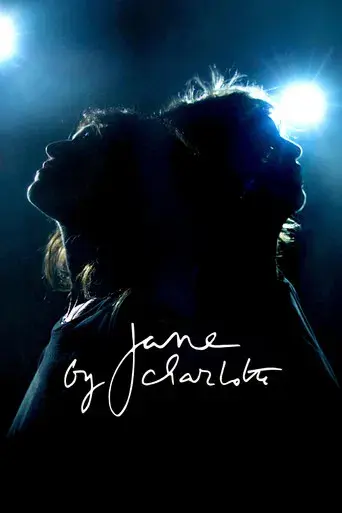
Charlotte Gainsbourg looks at her mother Jane Birkin in a way she never did, overcoming a sense of reserve. Using a camera lens, they expose themselves to each other, begin to step back, leaving space for a mother-daughter relationship.
Jane by Charlotte

A look at the first years of Pixar Animation Studios - from the success of "Toy Story" and Pixar's promotion of talented people, to the building of its East Bay campus, the company's relationship with Disney, and its remarkable initial string of eight hits. The contributions of John Lasseter, Ed Catmull and Steve Jobs are profiled. The decline of two-dimensional animation is chronicled as three-dimensional animation rises. Hard work and creativity seem to share the screen in equal proportions.
The Pixar Story
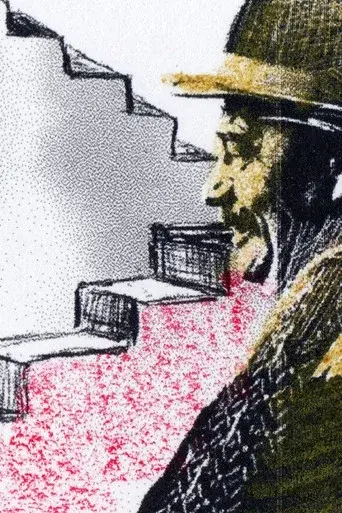
Jazz, dreams, and hope. The protagonist of the film is Wiesław Mrzygłód, a musician and artist. He has an extraordinarily positive attitude to the world, life, and music. In the 1980s, together with the Old Dixieland Players, he played at the most important jazz events in Poland and Europe. Despite doctors' opinions, he says, "Someday, I will play again." He refuses to give up. The film was made using analog and combined techniques, based on drawing using oil pastels, prints, and re-filming methods.
Someday Again
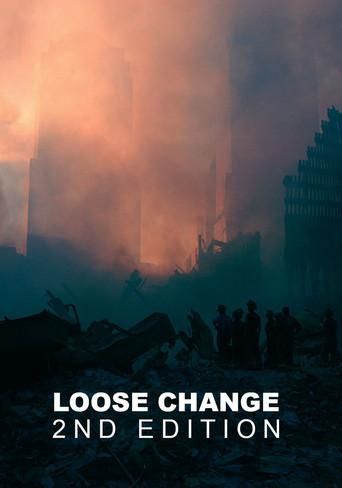
2nd Edition of Loose Change documentary. What if...September 11th was not a surprise attack on America, but rather, a cold and calculated genocide by our own government?We were told that the twin towers were hit by commercial jetliners and subsequently brought down by jet fuel. We were told that the Pentagon was hit by a Boeing 757. We were told that flight 93 crashed in Shanksville, Pennsylvania. We were told that nineteen Arabs from halfway across the globe, acting under orders from Osama Bin Laden, were responsible. What you will see here will prove without a shadow of a doubt that everything you know about 9/11 is a complete fabrication. Conspiracy theory? It's not a theory if you can prove it.Written and narrated by Dylan Avery, this film presents a rebuttal to the official version of the September 11, 2001 terrorist attacks and the 9/11 Commission Report.
Loose Change

A tribute to the late, great French director Francois Truffaut, this documentary was undoubtedly named after his last movie, Vivement Dimanche!, released in 1983. Included in this overview of Truffaut's contribution to filmmaking are clips from 14 of his movies arranged according to the themes he favored. These include childhood, literature, the cinema itself, romance, marriage, and death.