

Overview
No overview summary available for this movie.
Top Cast

Neo Rauch
himself
Key Film Crew
Production Stats
You May Also Like
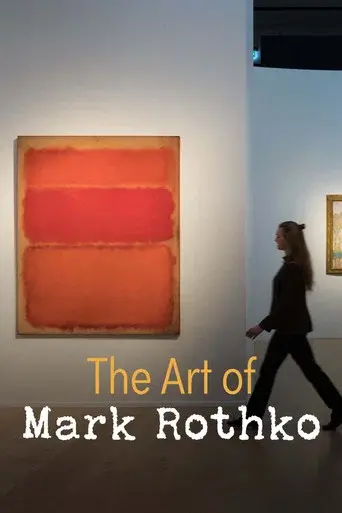
This film traces the elusive trajectory of Mark Rothko (1903-1970), the American master of abstract expressionism who called his work "a pharmacy for the soul." Moving from Latvia to the US as a child, he left Yale to paint, later inspired by Italy to create his iconic color fields. Full of vibrant colors, drama, and emotion, this subtle portrait makes his legendary art shine forth.
The Art of Mark Rothko


The humorous portrait of a female artist. The film follows the career of 24-year-old Janine F. who in 2002 caused a commotion from the rooftop of a Berlin building.
Janine F.
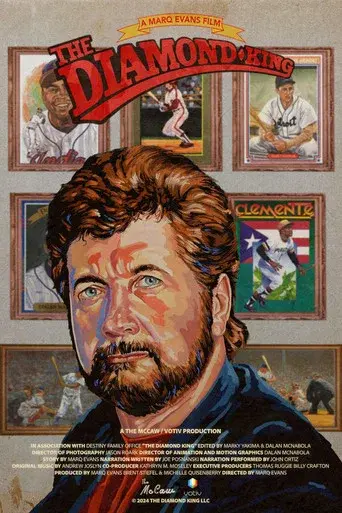
Dick Perez, official Baseball Hall of Fame artist for over 20 years, painted the game's history and every inductee - a project he continues in his 80s. This childhood immigrant's portraits changed commemoration of America's iconic pastime.
The Diamond King
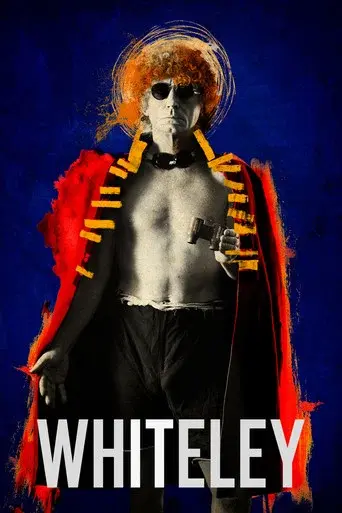
A visual journey into the life and legacy of one of Australia's most celebrated artists, Brett Whiteley.
Whiteley
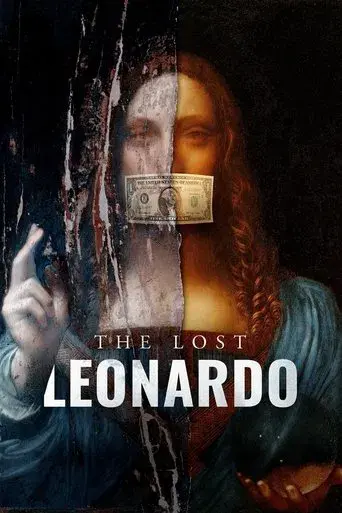
London, England, 2008. Some of the most distinguished experts on the work of Italian artist Leonardo da Vinci (1452-1519) gather at the National Gallery to examine a painting known as Salvator Mundi; an event that turns out to be the first act of one of the most fascinating stories in the history of art.
The Lost Leonardo
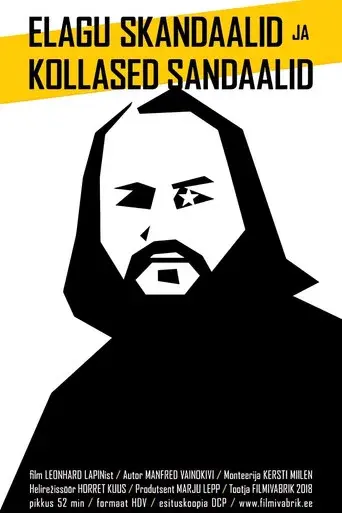
Leonhard Lapin is the classic and the enfant terrible of Estonian contemporary art, constantly followed by scandals, lewd legends and envious grumbling. Lapin confidently steps on the cornea of mediocrity, enjoying the situation to the fullest. Loved by his muses, the artist is not ashamed of his dalliances. He still has plenty at the grand old age of 70. The new Estonian film opens the doors to a disappearing Bohemianism, in which racy vocabulary reigns instead of political correctness.
Long Live the Scandals!
A Brazilian performance artist Vanesa Cardoso living in Newfoundland, Canada explores the figures of her Pochinko clown, discovering a desire to expose the comedy of our deepest vulnerabilities - the very ones that make us human. A creative journey through Richard Pochinko's seven masks and six directions, Vanessa reveals her clown while musing on the personal drive and struggles that inspire her art.
Above Above, Below Below
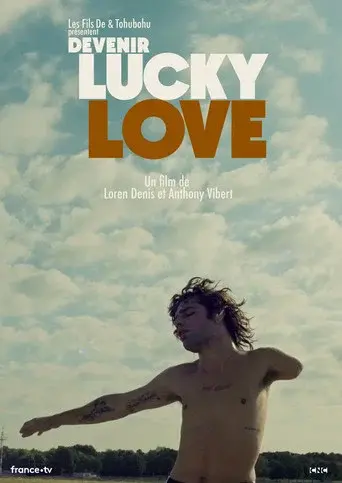
He was born different, and chose to become unique. Becoming Lucky Love follows how Luc Bruyère turned his “flaw” into strength and his life into an act of creation. Born without his left arm, he faced the violence of people’s gaze from childhood, sinking into shame and self-destruction. “I was born homosexual, without a left arm — I didn’t fit what a man was expected to be: a figure without nuance, categorical,” Luc confides. Instead of giving up, he chose to transform himself and become what he had always dreamed of: a singer and performer. With his angelic face and magnetic presence, nothing seems to resist him — yet his blazing loves and excesses marked him deeply. Now, on the verge of turning 30, he looks back without filters. Becoming Lucky Love paints the portrait of an avant-garde, captivating outsider who proves that destiny can be endlessly reinvented through strength, poetry, and self-invention.
Devenir Lucky Love

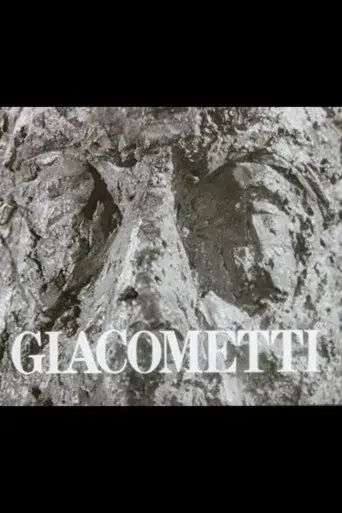
The Arts Council commissioned this film to coincide with their major retrospective of Giacometti's work at the Tate Gallery (now Tate Britain) in the summer of 1965. A similar exhibition was held concurrently at the Museum of Modern Art in New York, sealing the artist's reputation as a modern master.
Giacometti

Colour, form, area - this is the formula of the greatest pioneer of abstract painting. Kandinsky came to art late in life, but his impact through Der Blaue Reiter (The Blue Rider) and Bauhaus paved the way for modern art. In 1913, he created one of the first abstract pictures, the theoretical basis of which was inspired by his essay Uber das Geistige in der Kunst (On the Spiritual in Art). Accompanied by Mussorgsky's Pictures From An Exhibition Labarthe goes on a sensual journey which makes the soul resound with colours and forms. "A picture has to resound and must be bathed in an inner glow." Kandinsky
