
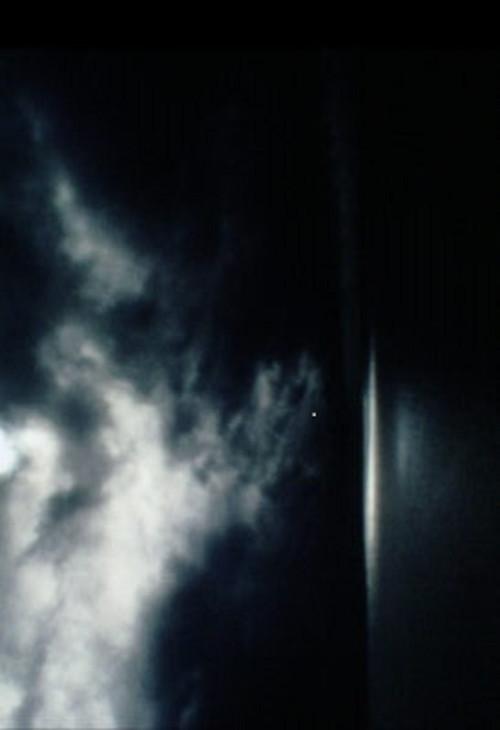
L’angle du monde
Overview
'The angle of the world allows us to see the real as an outer and inner presence at the same time, an opaque otherness, yet capable of becoming an intimate space. These incommensurable lengths and distances of an interior that opens up: The mysterious movement of the clouds, the cadence of the waves against the light, or the silent slippage of a barely identifiable human silhouette, everything seems transfigured, derealized and reinvented by light in a poetic world that evokes the paintings of Turner or Friedrich, the writings of Poe or Baudelaire.’ — Violeta Salvatierra
Key Film Crew
Production Stats
You May Also Like
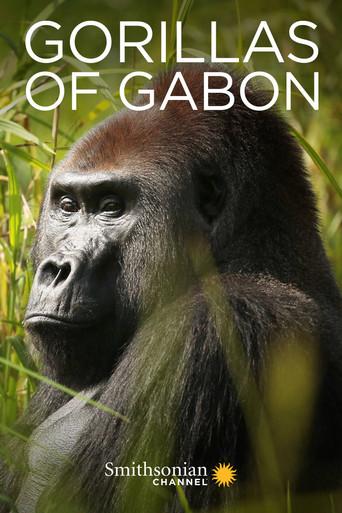
A race is on to save Gabon’s Moukalaba-Doudou National Park and the silverback gorillas that call it home. Once, this area was protected by a thriving oil industry, but now, big companies are moving out and the logging industry is poised to move in. Ecotourism could be the only way to prevent the trees of this rainforest from coming down, but a team of conservationists needs to make the gorillas of Gabon tolerant of humans first. Follow them as they get up-close with the gorillas, study their moves, and journey to war-torn Central African Republic to learn the secrets of successful gorilla habituation.
Gorillas of Gabon


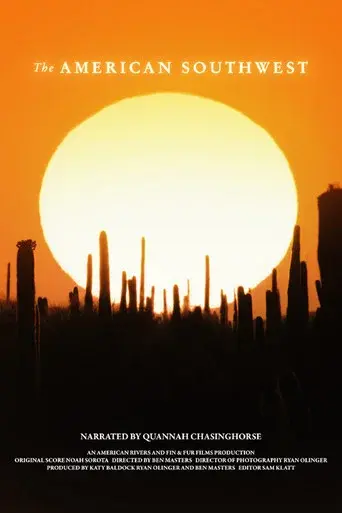
The American Southwest is a feature length blue chip natural history film narrated by indigenous environmentalist Quannah Chasinghorse. The movie journeys down the mighty Colorado River, examining the astonishing beauty and biodiversity of the region, while confronting the environmental destruction from dams and the perilous fate of the river. The story is told through never-before-seen wildlife sequences such as beavers building wetlands, condors recovering from the brink, and the potential return of Jaguars to American soil. The film beautifully advocates for better management of the river and increased wildlife conservation efforts in the iconic landscapes of The American Southwest.
The American Southwest
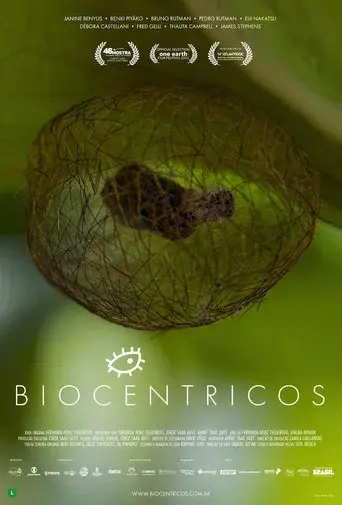
Through the eyes and voice of biologist Janine Benyus, the non-fiction feature “Biocentrics” takes the viewer through different corners of the planet to reveal the birth and the principles that guide biomimicry, a methodology of innovation inspired by nature. As a hub connecting ancestral knowledge, diverse cultures, natural technologies and initiatives that choose the continuity of life as their premise, the charismatic activist proposes a common agenda, a new posture and a tool, which is the vanguard of contemporary science, to face the global challenges that lie ahead and putting life back at the center of decision-making.
Biocentrics
Danusia and her daughter Basia live far away from the modern world, in tune with the rhythm and laws of nature, among animals and the spirits of the dead. The peace and sense of security offered by their enclave come at a price - the women increasingly long for contact with other people. Bucolic is an affectionate observation of people who live in a different way. It evokes a curiosity about their world and a desire to take a closer look.
Bucolic
An astonishing journey revealing the awesome power of the natural world. Over the course of one single day, we track the sun from the highest mountains to the remotest islands to exotic jungles.
Earth: One Amazing Day

In a remote area of northern Spain, the wind has a name: Tramuntana. Tramuntana takes what it wants—clothes, trees, boats, and the people of the landscape who live with the endless threat of being carried away by its force. This film is a lyrical portrait of this furious wind, woven from the stories passed down by local villagers.
Tramuntana
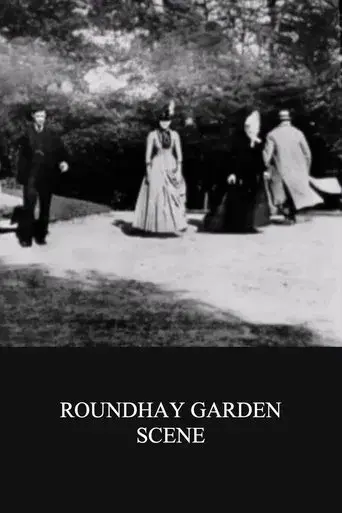
The earliest surviving motion-picture film, and believed to be one of the very first moving images ever created, was shot by Louis Aimé Augustin Le Prince using the LPCCP Type-1 MkII single-lens camera. It was taken on paper-based photographic film in the garden of Oakwood Grange, the Whitley family house in Roundhay, Leeds, West Riding of Yorkshire (UK), on 14 October 1888. The film shows Adolphe Le Prince (Le Prince’s son), Mrs. Sarah Whitley (Le Prince’s mother-in-law), Joseph Whitley, and Miss Harriet Hartley walking around in circles, laughing to themselves, and staying within the area framed by the camera. Roundhay Garden Scene is often associated with a recording speed of around 12 frames per second and runs for about 2 to 3 seconds.
Roundhay Garden Scene
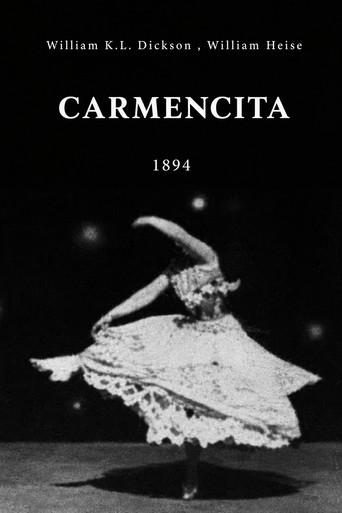
The first woman to appear in front of an Edison motion picture camera and possibly the first woman to appear in a motion picture within the United States. In the film, Carmencita is recorded going through a routine she had been performing at Koster & Bial's in New York since February 1890.
Carmencita
This film describes a psychological state "kin to moonstruck, its images emblems (not quite symbols) of suspension-of-self within consciousness and then that feeling of falling away from conscious thought. The film can only be said to describe or be emblematic of this state because I cannot imagine symbolizing or otherwise representing an equivalent of thoughtlessness itself. Thus the actors in the film, Jane Brakhage, Tom and Gloria Bartek, Williams Burroughs, Allen Ginsberg, Peter Olovsky and Phillip Whalen are figments of this 'Thought-Fallen Process', as are their images in the film to find themselves being photographed."