Overview
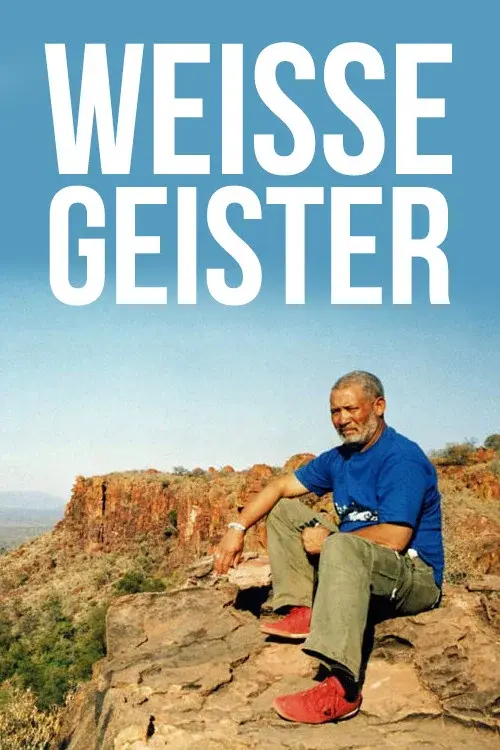
This documentary questions the consequences of the German colonial war at the beginning of the 20th Century in South West Africa, and explores how the relationships between the descendants of colonists and colonial rulers and the descendants of the colonised and exploited people are shaped today.
Top Cast

Israel Kaunatjike
Himself
Key Film Crew
Production Stats
You May Also Like



Montezuma is a 2009 BBC Television documentary film in which Dan Snow examines the reign of the Aztec Emperor Moctezuma II.
Montezuma

This documentary juxtaposes scenes of El Salvador's opposition factions, including U.S. government advisors and government troops, and guerrillas and their sympathizers.
Tiempo de audacia

The Stone That Remembers interprets the Durga Mahisas-uramardini statue’s journey from its home, the Singhasari Temple, to the hands of colonizers, and various museums. The film follow the patriarchal displacement of a woman that represents the Durga, exploring the parallels between the fate of the statue and many women today.
The Stone That Remembers


Scenes at a garden party given by Earl Lytton, Governor of Bengal, at Government House, Calcutta.





Evocative observational scenes of Simla and Lahore, including the gorgeous Shalimar Gardens and Anarkali Bazar.
Simla and Lahore

Amateur footage of Delhi and Jaipur, from a military review to an atmospheric torchlit procession - and some armour-plated elephants.
Delhi - Jubilee
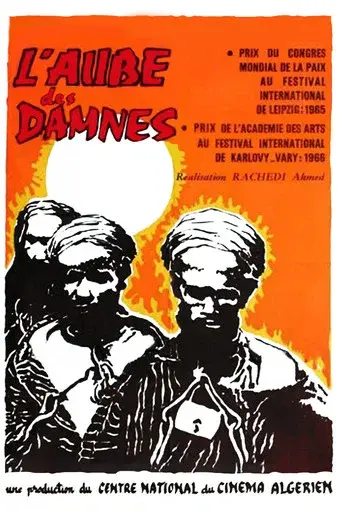
This excellent feature-length documentary - the story of the imperialist colonization of Africa - is a film about death. Its most shocking sequences derive from the captured French film archives in Algeria containing - unbelievably - masses of French-shot documentary footage of their tortures, massacres and executions of Algerians. The real death of children, passers-by, resistance fighters, one after the other, becomes unbearable. Rather than be blatant propaganda, the film convinces entirely by its visual evidence, constituting an object lesson for revolutionary cinema.
Dawn of the Damned


Imposed under the British colonial rule in 1860, Section 377 of the Indian Penal Code criminalise any sexual acts between consenting adults of the same sex, stigmatising them as 'against the order of nature'. On July 2, 2009 the Delhi High Court passed a landmark judgment scrapping this clause, thus fulfilling the most basic demand of the Indian LGBTQ community, which had been fighting this law for the past 10 years. Three characters, Beena, Pallav and Abheena travel through the city of Bombay heading to the celebrations for the first anniversary of the historic verdict. '365 without 377' is the story of their journey towards freedom.