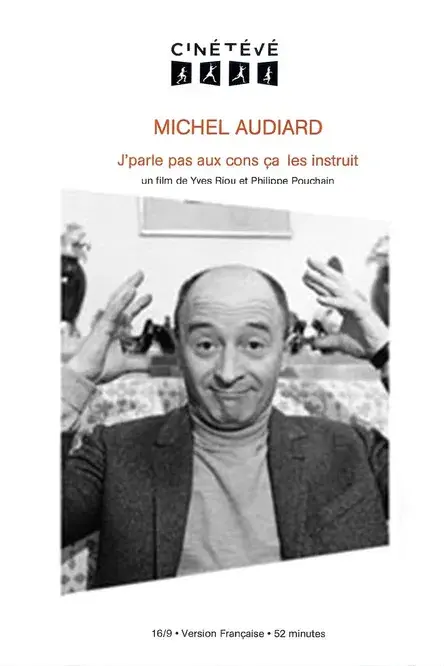
Michel Audiard : J'parle pas aux cons, ça les instruit
Overview
With his popular culture, prolific imagination, and verbal alchemy, Michel Audiard revolutionized cinema in the 1950s and 1960s. Alongside his mentor and friend Jean Gabin, his writing partner Albert Simonin, and his favorite actors Bernard Blier, Lino Ventura, and Michel Serrault, we find his verve and innate sense of repartee, which alone reflect the spirit of the French people and language. From elegance to cheekiness, cynicism to tenderness, he made words speak like no one else. Between the expressions he stole from bar counters to refine them and his encyclopedic knowledge of French culture, he created a unique style and ranks alongside Prévert and Jeanson as one of the greatest dialogue writers in French cinema.
Top Cast

Michel Audiard
Self (archive footage)

Jacques Audiard
Self
Jean-Loup Dabadie
Self
Mireille Darc
Self

François Guérif
Self
Alain Riou
Self
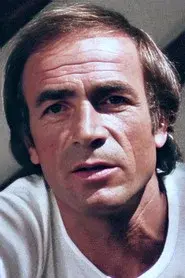
Venantino Venantini
Self

Stéphane Germain
Self
Key Film Crew
Production Stats
You May Also Like



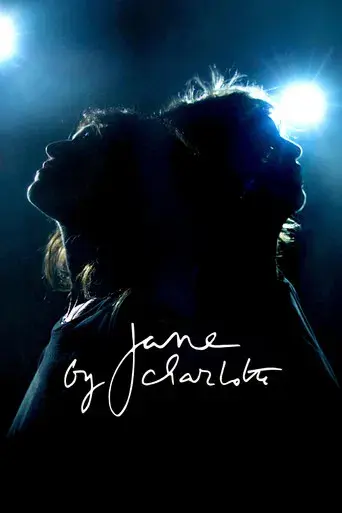
Charlotte Gainsbourg looks at her mother Jane Birkin in a way she never did, overcoming a sense of reserve. Using a camera lens, they expose themselves to each other, begin to step back, leaving space for a mother-daughter relationship.
Jane by Charlotte


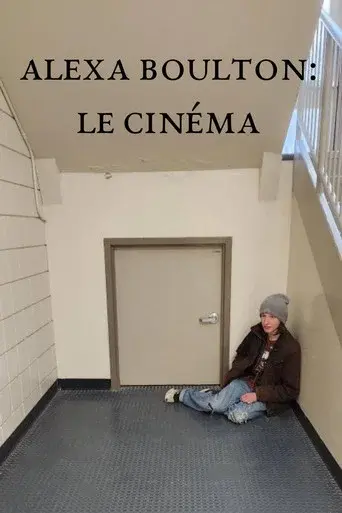
Alexa Boulton interviews the students and teachers of Kelvin High School to uncover the possibilities for the future of cinema
Alexa Boulton: Cinema

Great filmmakers claim the artistic influence of French director Henri-Georges Clouzot (1907-1977), a master of suspense, with a unique vision of the world, who knew how to offer both great shows and subtle studies of characters. Beyond the myth of the tyrannical director, a contrasting portrait of a visionary, an agitator, an artist against the system.
The Clouzot Scandal


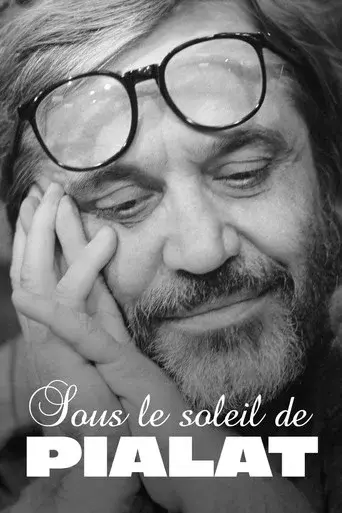
In just ten films, Maurice Pialat painfully rose to the top of the cinema, draining into his legend a mad demand for truth as much as memorable fury to achieve it. With "L'Enfance nue", his first feature film at the age of 43, the filmmaker immediately made his mark, this "art of making things authentic", according to Chabrol. But throughout an unclassifiable filmography in the form of an autobiography, from a break-up to his fatherhood in wonder, through the agony of his mother, the filmmaker does not get rid of the feeling of being misunderstood, despite international recognition.