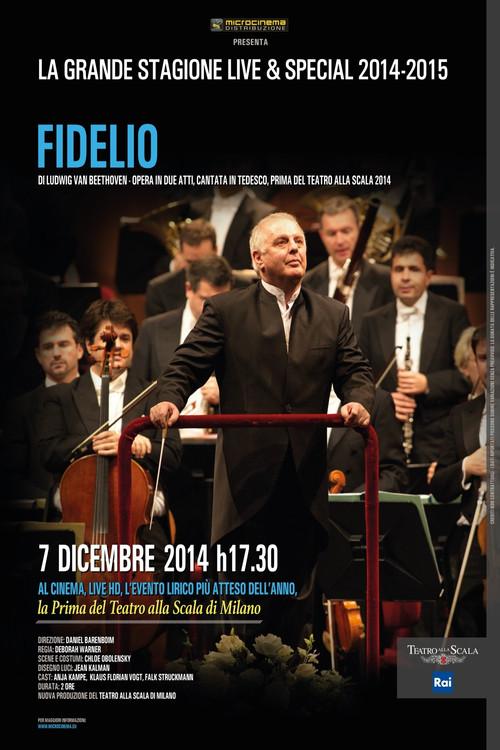
Beethoven · Fidelio
Overview
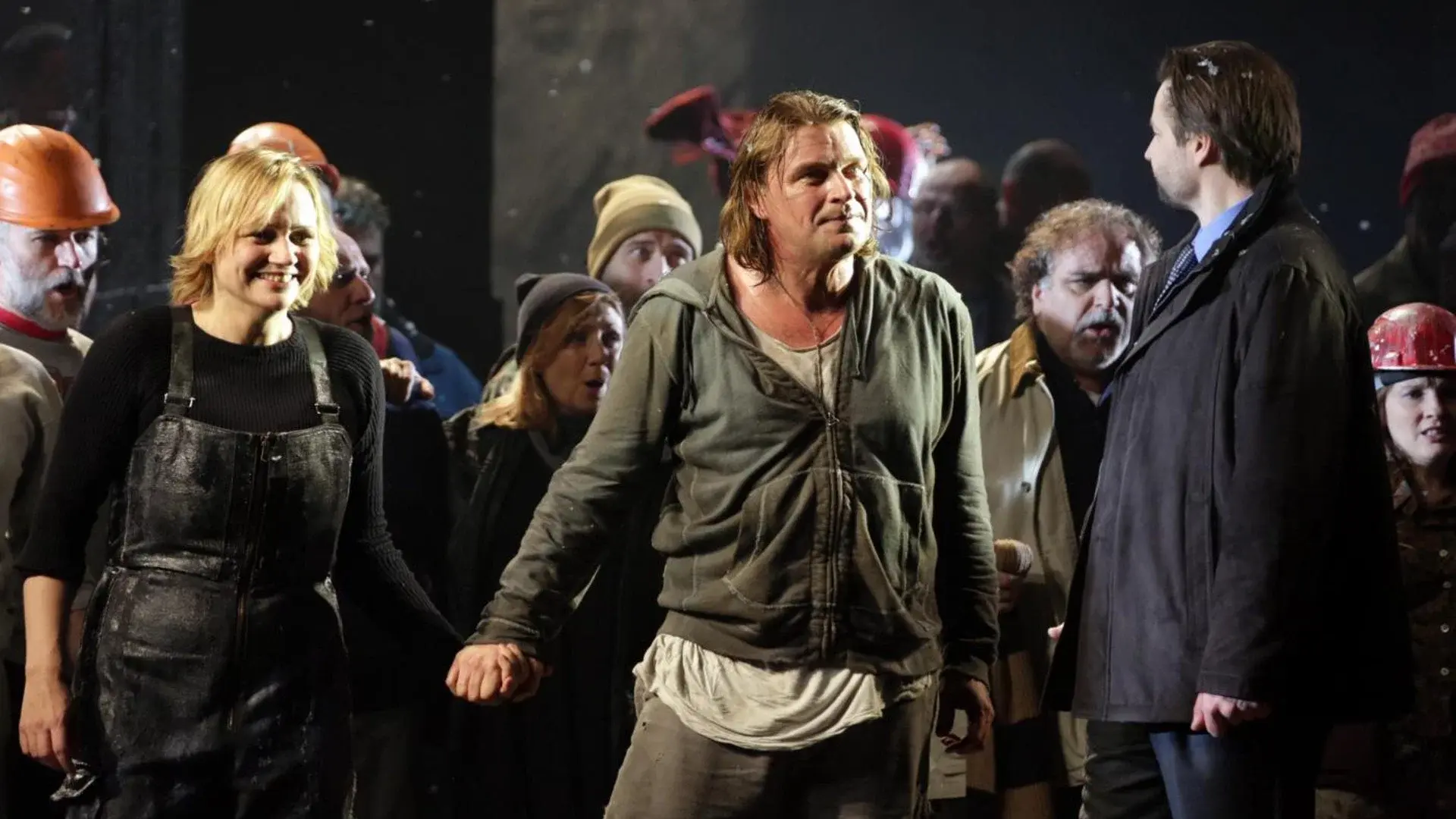
A tribute to marriage coming from a bachelor is a tad suspicious. But for Beethoven the idealization of the woman-bride was heartfelt and sincere. It has always been a unique opera starring a courageous wife who wows audiences. Fidelio is a moral title, associated with the ideals of liberty of the French Enlightenment. Nobility and commoners are united in their thirst for justice against the oppression of power. For once the faithful consort of a desaparecido wins her battle against a treacherous tyrant, and the collective joy truly is “nameless”, as is sung on the stage. Especially because the “our heroes to the rescue” finale is recounted by the triumphant symphonic flair of the quintessential musician. Beethoven really does bring the world to collapse at the conclusion of this opera, which begins like a delightful little comedy, but which scales and transcends all the summits of the dramatic-musical art.
Top Cast
Peter Mattei
Don Fernando

Falk Struckmann
Don Pizarro

Klaus Florian Vogt
Florestan
Anja Kampe
Leonore

Kwangchul Youn
Rocco
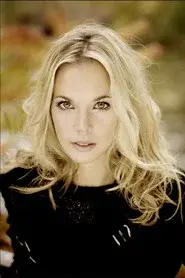
Mojca Erdmann
Marzelline

Florian Hoffmann
Jaquino
Oreste Cosimo
First prisoner
Devis Longo
Second prisoner

Daniel Barenboim
Self - Conductor
Key Film Crew
Production Stats
You May Also Like
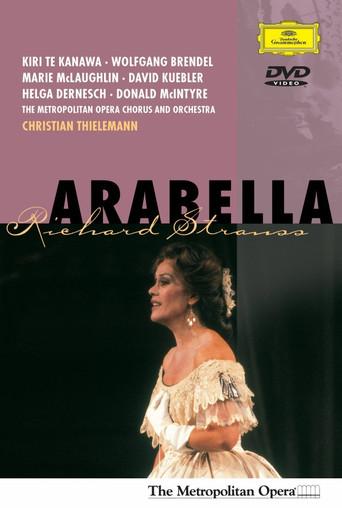
Arabella, Op. 79, is a lyric comedy or opera in three acts by Richard Strauss to a German libretto by Hugo von Hofmannsthal, their sixth and last operatic collaboration.
Arabella
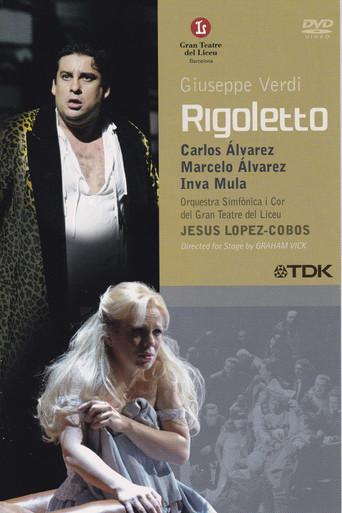
In Rigoletto, the deformed figure of the hunchbacked jester at the Mantuan court acts as a foil to his cynical and powerful master, an unscrupulous philanderer contrasted with his cruel and unforgiving fool. Rigoletto encourages and welcomes the Duke's conquests, pitilessly mocking his victims until he discovers that the Duke has abducted the one person he genuinely loves, his own daughter. As a result, the character of the court jester is transformed into a tragic figure who, in spite of his evident immorality and malice, allows us to sense the devotion he feels for his daughter and his horror at being destroyed by the same despotic world as that which he himself has helped to create.
Rigoletto

A version of Benjamin Britten's opera based on the Melville story. Will the virtuous young sailor Billy Budd be hanged for murder?
Billy Budd
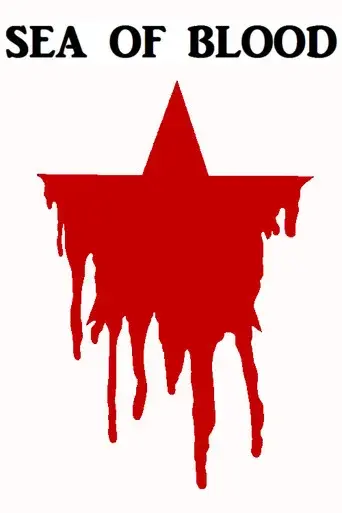
Based on a revolutionary play supposedly written by the Eternal President of the Democratic People's Republic, Kim Il-sung, and rumored to have been co-directed by Kim Jong-il. This revolutionary work is also popular among the Chinese, especially those who lived through the Cultural Revolution, and have fond memories of revolutionary antics.
Sea of Blood
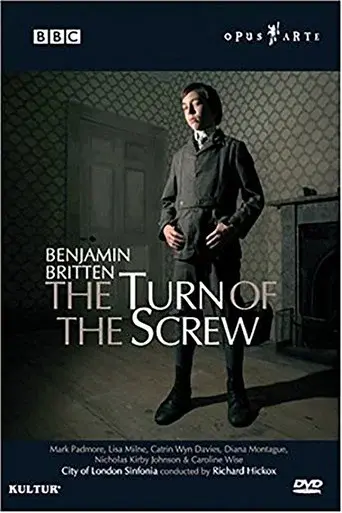
The operatic version of the famous story about a governess who fears her two charges are possessed.
The Turn of the Screw

The great Georg Solti conducts a spectacular studio production of this masterpiece of 20th century opera. Two internationally celebrated Hungarian opera stars perform Bartók's darkly psychological parable with searing dramatic intensity.
Bluebeard's Castle

Shortly before his death, Romitelli together with his friend Paolo Pachini and the poetess Kenka Lèkovich, resurrected the dream of a total scenic art (a furnace of sensations, they called it, an_ initiation rite_) in the manner of the Futurists: rhythms and gleams of light striking metals (for the video part), poems in iron and chrome singing of fusion with matter (Kenka Lekovich), acoustic/electric music highly amplified, filtered, spatialised, in as artificial a manner as possible. An Index of Metals bears vigorous witness to this determination to go beyond: sizzling orchestration, electric and psychedelic; a voice which plays on effects, murmurs with reverb, cackles into a megaphone, screams like a pop star; and an electric guitar score of a kind that no ‘serious’ composer has ever written, sliding across an infinite range of tones with a lightness of touch and blurring of contours.
An Index of Metals
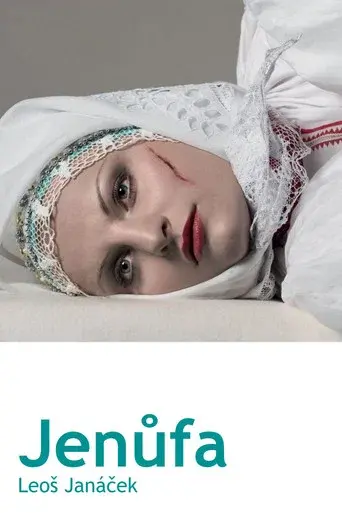
When a beautiful young woman in rural Moravia becomes unexpectedly pregnant, she learns that love is sometimes only skin-deep. Janáček took Gabriela Preissová's grim tale of infanticide and redemption, and condensed it into a masterful, spine-chilling drama. The tragic plight of the protagonists is presented with unsentimental realism that cannot help but trigger a response of deep compassion. Premiered at the National Theatre in the composer's hometown of Brno 115 years ago, the opera took him nine years to complete and is the first in which his distinctive voice can clearly be heard.
Jenůfa

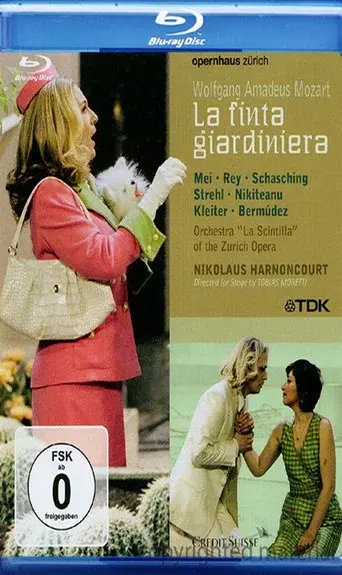
The Zurich Opera gathered a superb cast for this production: Italian soprano Eva Mei sings the Countess Violante, known as Sandrina, the feigned gardener of the title. Spanish soprano Isabel Rey is her opponent Arminda, and Arminda's former lover, the melancholy Cavaliere Ramiro, is sung by Romanian mezzo Liliana Nikiteanu. Moretti's staging presents the action in a modern villa in a hierarchical world of the rich and famous.
La Finta Giardiniera
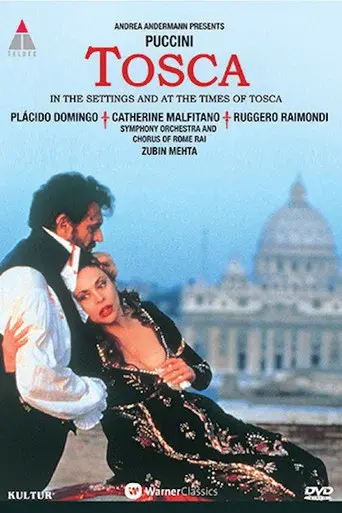
This live version of Puccini s superbly dramatic opera was recorded in Rome in the exact locations and at the precise times of day as Puccini had written into his score. The action opens in Rome's beautiful 16th-century church of Sant Andrea della Valle, where Cavaradossi (Plácido Domingo) is innocently painting, moves to the Farnese Palace where Tosca (Catherine Malfitano) dramatically stabs the lustful Scarpia (Ruggero Raimondi), and finally to the battlements of the Castle Sant Angelo at dawn the following day where Cavaradossi is cruelly killed, and Tosca takes her own life.
Tosca
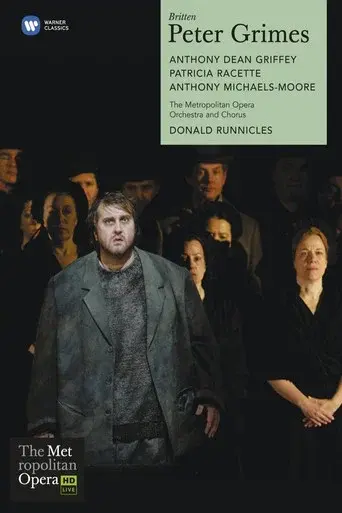
Anthony Dean Griffey creates a haunting portrait of the outcast fisherman who struggles under the burden of presumed guilt. This chilling production by Tony Award-winning director John Doyle also features the superb Patricia Racette as the sympathetic Ellen Orford and the Met chorus in a truly hair-raising performance as the oppressively judgmental fishing village.
Britten: Peter Grimes
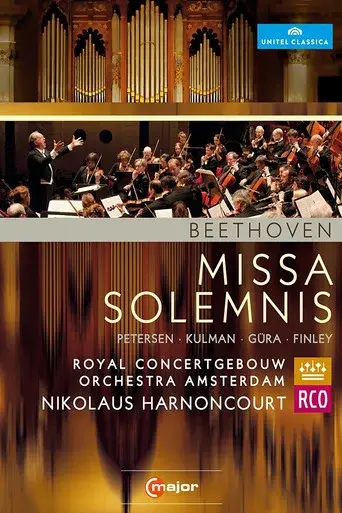
With this performance of the Missa solemnis Nikolaus Harnoncourt, Honorary Guest Conductor of the Royal Concertgebouw Orchestra, once more attained the status of a living legend, due mostly to his wide-ranging expertise of music from the Baroque and Classical era. The highly acclaimed soloists are Marlis Petersen (Soprano), twice the singer of the year by the renowned Opernwelt magazine, Elisabeth Kulman (Alto), Werner Güra (Tenor), winner of the BBC Music Magazine Award for the best vocal performance, and Gerald Finley (Bass), Grammy-Awardwinner for the best opera recording. They are accompanied by the famous Netherlands Radio Choir.
Beethoven Missa Solemnis
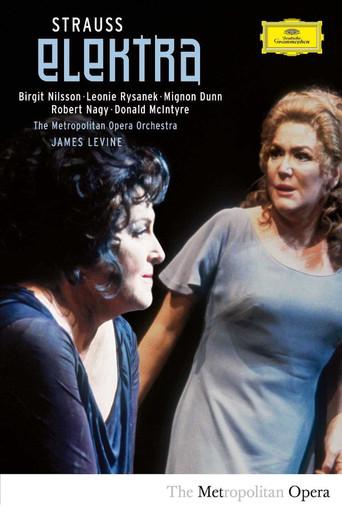
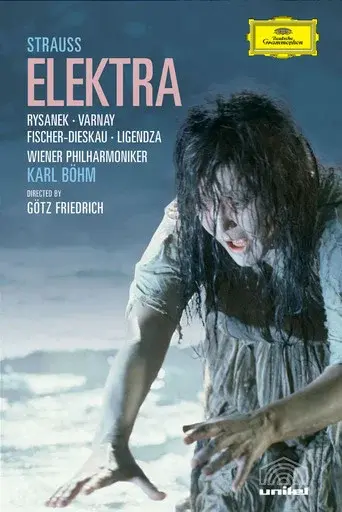
It's hard to imagine confirmed Straussians not wanting this starry Metropolitan Opera performance of Elektra. Strauss and his librettist, Hugo von Hofmannstahl, transformed Sophocles' take on Homer's tale into a harrowing opera noir. Elektra lives for one reason, to kill her mother, Klytämnestra, and her stepfather, Aegisth, the murderers of her father, Agamemnon. In contrast to Elektra's vengeful obsession, her sister Chrysothemis desires to get on with life. When their long-missing brother, Orestes, returns to do the deed, Elektra celebrates with a dance of death and, her sole purpose in life fulfilled, dies. Strauss joined the hermetic plot to music of the utmost opulence, violent and yearning by turns, evoking the cardinal principles of Greek tragedy - pity and terror.