

Overview
The youngest protagonist of the documentary is Wartburg, an automobile over 50 years of age. The car is still on the road, driven by Bogdan, a 70-year-old who is taking his mother to visit the German factory where she was forced to work during WWII. In this road movie which takes place between Majdanpek and Germany, the trip becomes a journey into the past, retracing memories from the war and revealing a unique relationship between an old son and his elderly mother.
Key Film Crew
Production Stats
You May Also Like
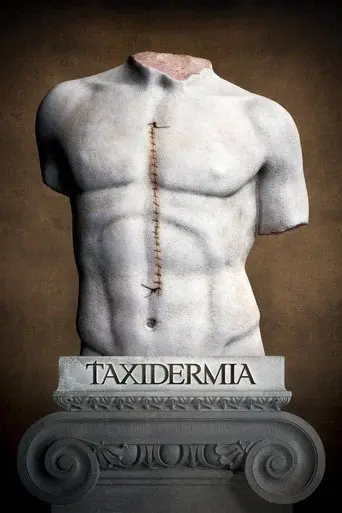
Three stories. Three ages. Three men. Grandfather, father, son. One is an orderly, one is a leading sportsman, and one is a master taxidermist. One desires love, the other success, and the third immortality.
Taxidermia
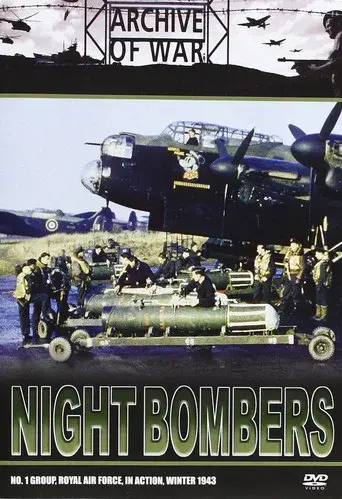
Recorded during World War II, this rare color film traces an RAF Bomber Command night attack on Berlin -- from strategic planning and preparation to the execution of the actual attack with Avro Lancaster bombers. Air Commodore H.I. Cozens filmed the events during a period when the Bomber Command flew into Germany nearly every night for a massive series of raids on key targets.
Night Bombers

On TJ's 18th birthday, a stranger delivers him a key from his father, last seen as he was hauled off to prison eight years earlier. With the key is an address for a proposed meeting – 3000 miles away and in two weeks. The key unlocks a timeworn 1968 convertible, with a coffin welded to its floor. With each decision that follows, TJ plunges deeper into the mysterious and beautiful landscapes we all navigate – on our own, with our tribe, through the shifting turns of the road ahead.
What We Find on the Road

Set in the final weekend of the year 1995 Ice Hockey World Championships, 95 tells through overlapping stories why Finland became a ice hockey world champion and how it affected the whole nation.
95


It's all extreme sports and a life of freedom as Max sets off for college -- but Goofy misses Max so much he loses his job and goes to finish college alongside Max and his friends. But as Goofy tries to get closer to Max, both must go to the extreme to learn how to live their own lives together.
An Extremely Goofy Movie


The "Alaska at War" film project was an effort to document events of World War II in Alaska. It was funded by the Alaska Legislature through the Alaska Historical Commission and was supported by the Alaska Historical Society and private subscription. The production work was performed by aurora Films, assisted by a citizen's advisory committee. The production "Alaska at War" was first shown in public on Alaska Day, October 18th 1986.
Alaska at War


After accidentally witnessing a mafia hit in the Windy City, gal pals Connie and Carla skip town for L.A., where they go way undercover as singers working the city's dinner theater circuit ... disguised as drag queens. Now, it's not enough that they become big hits on the scene; things get extra-weird when Connie meets Jeff -- a guy she'd like to be a woman with.
Connie and Carla


Goofy’s teenage son Max is desperate to impress his crush and fit in at school. After well-meaning but ignorant Goofy suddenly whisks him away on a cross-country road trip—messing up Max’s first date plans in the process—Goofy’s old-school parenting and Max’s desire for independence lead to a vacation of hilarious mishaps, as they both learn to see eye to eye and listen to each other.
A Goofy Movie
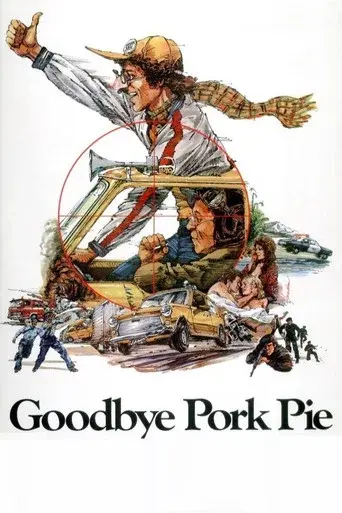
Gerry hires a car in Kaitaia with a stolen licence and travels to Invercargill with John, whose wife has just left him. The ultimate New Zealand road trip adventure.
Goodbye Pork Pie

Various citizens of Toronto anxiously await the end of the world, which is occurring at the stroke of midnight on New Year's Day.
Last Night

The story revolves around three soldiers — Colee, T.K. and Cheaver — who return from the Iraq War after suffering injuries and learn that life has moved on without them. They end up on an unexpected road trip across the U.S.
The Lucky Ones

After WWII had ended, it was realized by the American Allies that there were children whom Hitler trained to be soldiers between the ages of 9-17. They were the "Hitler Youth". As the adult German soldiers were taken as prisoners of war, so were the children. These boys were taken to France and reeducated by being taught democracy and treated better than the adult POWs. This story recounted by a former "baby cage" prisoner at the age of 92.