Overview
BRAVE NEW YORK is a free-form documentary that loosely chronicles the last twelve years of intense change in the East Village "hood." From the reopening of a newly curfewed Tompkins Square Park and Wigstock in '92 to the destruction of the cherished Loisaida Community Gardens, beyond the yuppie invasions of the "dot com" years to the present era, indelibly stamped with post 9/11 grief, this durable, lusty neighborhood survives in spite of a real estate gold rush that has excluded all but the well-to-do. The movie's main voices are those of the artists and street people whose wisdom and commentaries upon the dominant culture give us pause amidst the speedy approach of a "Brave New World." This Overview was taken from Fandor, where this film is available. 2004.
Key Film Crew
Production Stats
You May Also Like
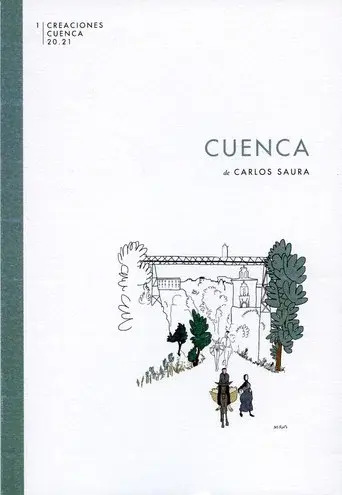
A medium-length documentary commissioned by the Cuenca City Council. The documentary shows an honest, sincere, although sometimes mere tourist portrait, of the lands of Cuenca and its people, without artifice or imposture, with feeling and authenticity and at the same time with marked coldness.
Cuenca

The carnage in Sarajevo provides the focus of this French documentary which seeks to call attention to the terrible conflict in the hopes of finally ending it. The film is divided into five parts. Each part covers a time frame ranging from April 4, 1992, the beginning of the war, to the present. The major issues that occur are three-fold. It depicts the systematic genocide of Bosnians, the silence of Western countries, and the determination of the Bosnians to resist. They refuse to be seen as victims, even though the filmmakers portray them so. Also included are the origins and political aspects of the war. It offers interviews with participants. It also reveals how the U.S. State Department censored reports about Serbian death camps.
Bosnia!

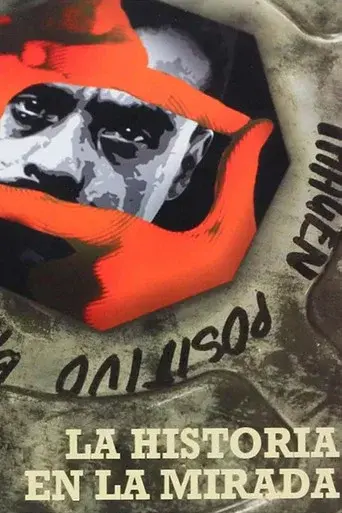
The film portraits the stage previous to the outbreak of the Mexican Revolution, from the end of Porfirio Díaz´ government, the social volatility, the ephemeral government of Madero and the presence of the working class in the figures of Villa and Zapata, until the signing if the Constitution of 1917. All of this through moving images, filmed during those events mainly by the Alva brothers, filmmakers of that time. Those images let us perceive the contradictory and shuddered glance of the people of that period.
The History in the Gaze
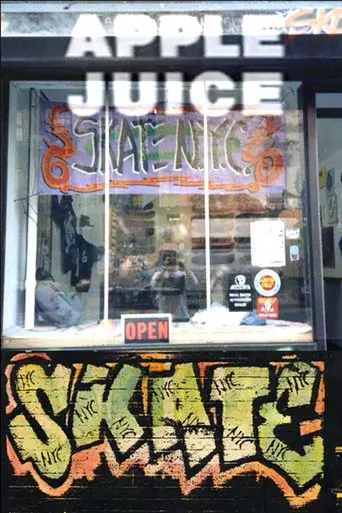
Apple Juice is an classic skateboarding documentary shot by SKATE NYC locals from the late 80’s early 90’s. SKATE NYC is a legendary skateboard store that was on Ave A and 9th St. in the East Village in NY from 1986-91.
Apple Juice
Explores the true story of a courageous group of New York City firemen who experienced the worst disaster to happen to the FDNY since 9/11 and a fallout that resulted in the biggest civil trial in New York history.
Black Sunday
Filmed to praise the work of the Spanish Ministry of Housing in solving the problem of shanty towns in Bilbao, it was made to be viewed by General Franco and not for public screening or distribution through the NO-DO newsreel. Although the short film was commissioned by the Ministry of Housing, director Jorge Grau produced a subtly critical work.
Ocharcoaga
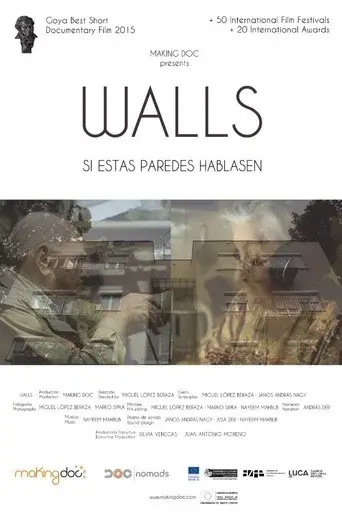
A day in the life of Mr. Istvan and Ms. Magdi, neighbors for many years, is narrated by the building of Budapest where both live. The walls surrounding them reveal their small passions, stories and routines.
Walls
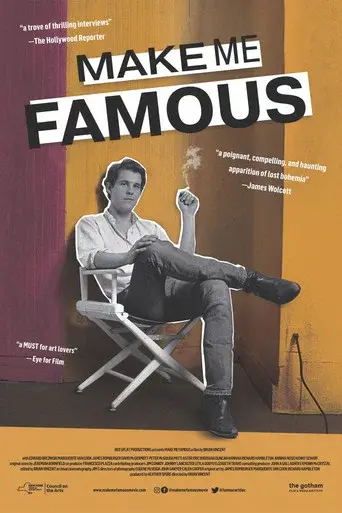
An investigation of Edward Brezinski, an ambitious, charismatic Lower East Side painter hell-bent on sucess, who thwarted his own career with antics that roiled NYC’s art elite. Brezinski’s quest for fame gives an intimate portrait of the art world’s attitude towards success and failure, fame and fortune, notoriety and erasure.
Make Me Famous
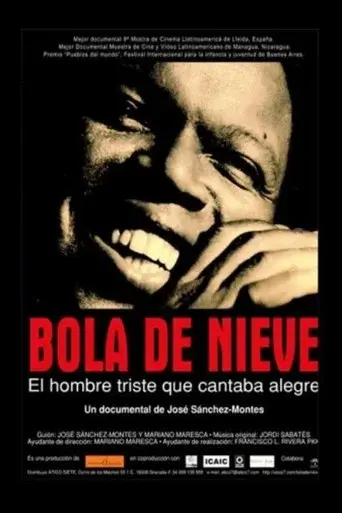
Documentarian Jose Sanchez-Montes turns his attention towards the late Cuban musician Ignacio Villa, known throughout the world as Bola de Nieve (Snowball), with this 2003 biographical documentary entitled simply Bola de Nieve. A master pianist, Bola de Nieve was a mainstay through the middle portion of the 20th century, with his music almost omnipresent in South America cinema throughout those formative decades. With Bola de Nieve's famous statement "I'm a sad person, but my songs sound happy" in mind, Sanchez-Montes also looks at the influence of the musician's African heritage and homosexuality upon Bola de Nieve's unique musical style.
Bola de Nieve

New York cab and black car drivers are facing economic and emotional hardship in a city dominated by ride-share apps. As these long standing industries are decimated by economic and political forces, drivers are forced to cope or fight back.
Days of Black and Yellow
Follows the young people of Selma, Alabama's RATCo (Random Acts of Theatre Company) as they journey to New York City to share their story of hope, resilience, and overcoming.
I Will Dance

Denise Crosby takes a first look at the huge fans of "Star Trek" from around America and how the series has affected and shaped their lives.