
Overview
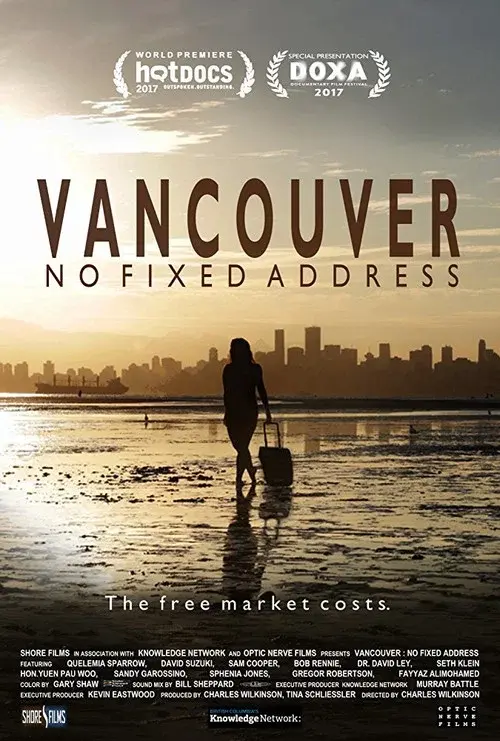
There is no topic that unites all of Vancouver quite like that of housing. At every dinner party, social gathering, or chance meeting in the street, everyone has an opinion, and they want to share it. Charles Wilkinson’s new film Vancouver: No Fixed Address tackles the subject from a multiplicity of perspectives. A chorus of voices chime in — everyone from David Suzuki, to Vancouver Mayor Gregor Robertson, Seth Klein, Condo King Bob Rennie, Senator Yuen Pau Woo, and lots of regular Vancouver citizens.
Top Cast

Quelemia Sparrow
Self

David Suzuki
Self
Angel Chang
Self
Rosalind Sadowski
Self
Cal Anderson
Self
Ray Wong
Self
Shannon Galt
Self
Fayyaz Alimohamed
Self
Bob Rennie
Self
Sandy Garossino
Self
Margaret Stephens
Self
David Ley
Self
Key Film Crew
Production Stats
You May Also Like
Canadian Pacific I is made up of a series of slowly dissolved shots done from the same framing over several months. The camera frames a window with a railway yard in the foreground, a bay in the space behind it, and misty mountains in the extreme distance. Trains occasionally pass by in the foreground. Huge ships move across the bay. Blue mists hover over the mountain heads.
Canadian Pacific I
Canadian Pacific II is designed as a companion piece to Canadian Pacific I. Shot from a window two storeys higher and in the building adjacent to the artists’s studio of the previous year, one enters into a dream state… an involvement with a vocabulary of seeing and feeling by subtle transitions of the passage of time
Canadian Pacific II
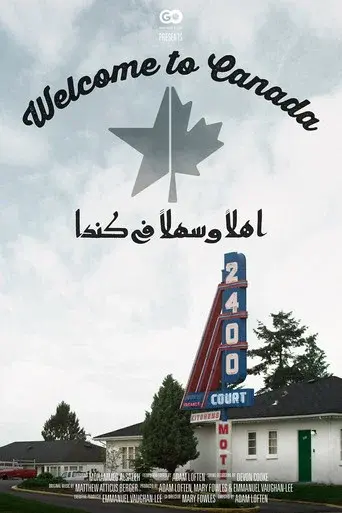
Mohammed Alsaleh, a young Syrian refugee, is rebuilding his life after being granted asylum in Canada. In Vancouver, he counsels and helps resettle newly-arrived Syrian refugee families so that they may find new homes and begin again.
Welcome To Canada
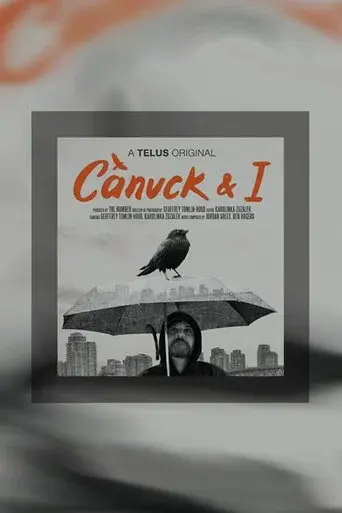
Meet Canuck – a wild crow who formed an unlikely bond with his human friend, Shawn. The mischievous crow has captured the hearts of Vancouverites and garnered global attention through his antics.
Canuck and I
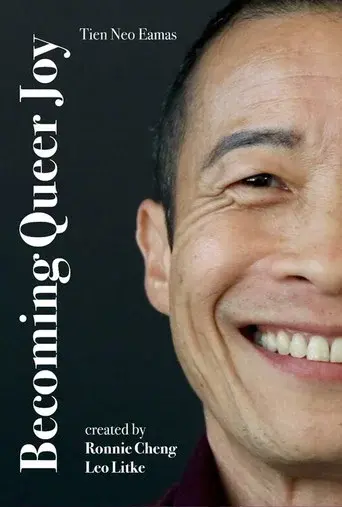
Tien is the first Asian trans man to publicly come out in the Vancouver, then, gay and lesbian community of 2001. In this profound and inspiring film, Tien shares his story as a trailblazing, racialised, transgender immigrant and his journey to discovering his true purpose in life — cultivating and becoming joy.
Becoming Queer Joy



Sundance award-winning director Julia Kwan’s documentary Everything Will Be captures the subtle nuances of a culturally diverse neighbourhood—Vancouver’s once thriving Chinatown—in the midst of transformation. The community’s oldest and newest members offer their intimate perspectives on the shifting landscape as they reflect on change, memory and legacy. Night and day, a neon sign that reads "EVERYTHING IS GOING TO BE ALRIGHT" looms over Chinatown. Everything is going to be alright, indeed, but the big question is for whom?
Everything Will Be

In the picture-postcard community of North Vancouver, filmmaker Murray Siple follows men who have turned bottle-picking, their primary source of income, into the extreme sport of shopping cart racing. Enduring hardships from everyday life on the streets of Vancouver, this sub-culture depicts street life as much more than stereotypes portrayed in mainstream media. The films takes a deep look into the lives of the men who race carts, the adversity they face, and the appeal of cart racing despite the risk.
Carts of Darkness


A documentary about a musical about the hilarious gay owners of an insult diner.
Brunch Queen

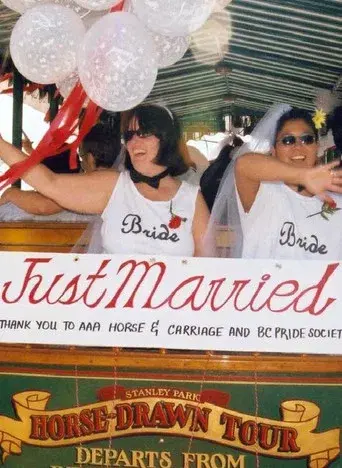
This documentary profiles the eight couples who challenged marriage laws in British Columbia in court until same-sex marriage was recognized in 2003. As controversy swirls around this issue worldwide, Why Thee Wed? offers surprising and diverse perspectives on what it means for gay and lesbian couples to walk down the aisle and to fight for the right to do so under the law.
Why Thee Wed
A film documenting work shortages during the Depression of the 1930s and the attempts to deal with the unemployed, in particular young men. The film discusses the establishment of relief camps and projects, where men were paid twenty cents per day; the founding of organizations such as the Co-operative Commonwealth Federation (CCF), Workers' Unity League, and Relief Camp Workers' Union; general unionization and protest of the unemployed, including the On To Ottawa Trek, Regina Riot, sit-in strike from May to June 1938 at the Vancouver Main Post Office, Vancouver Art Gallery and Hotel Georgia, and the resulting Bloody Sunday of June 19.
For Twenty Cents A Day
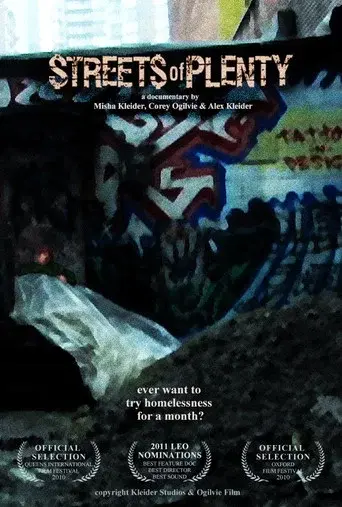
With the 2010 Olympics approaching, will the world get to know Vancouver's darkest secret? 'Streets of Plenty' chronicles one man's perilous journey to live in Vancouver's downtown east side ghetto. The rules of this twisted social experiment? Starting with only a pair of underwear, he must survive the harsh winter streets for 31 days. He has no money, no friends, no family, and most importantly, no home. He must navigate the institutions, policies and services alongside the thousands of people that call Vancouver's streets home.