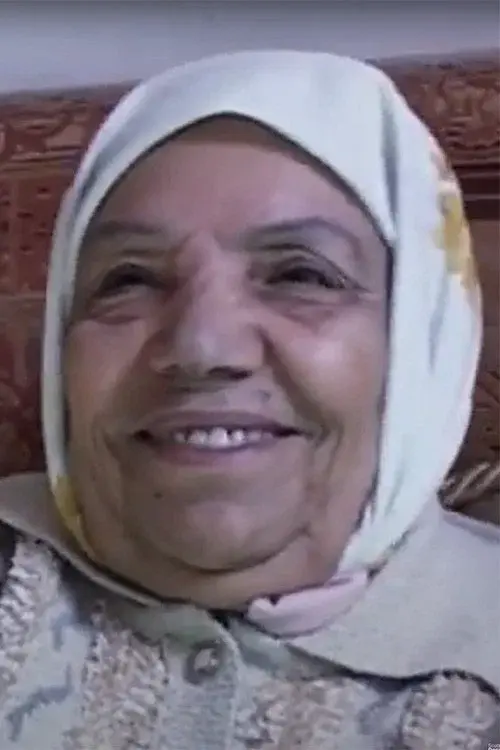
Granny's Flags
Overview
Haja Fatma, a mother to eight children, tells the tale of family life in Tripoli during the Libyan Revolution. Women, young and old, all contributed during these hostile months in their own unique way. A human portal into the acts of ordinary people in their hope for freedom.
Key Film Crew
Production Stats
You May Also Like


A video puzzle using mathematical principles and prime numbers, daring the audience to decode it's journey.
beweistheorie I
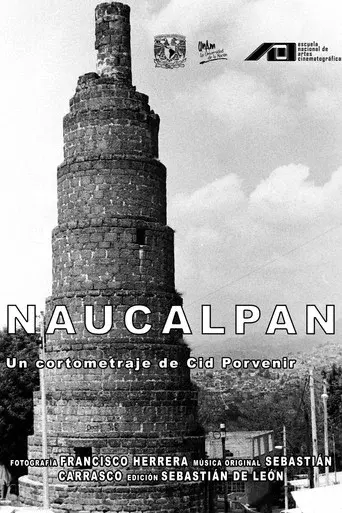
The vertiginous progress of modernity has caused the spaces that humanity previously inhabited, now remain forgotten.
Naucalpan
Part of Chris Marker’s Three Video Haikus series, Tchaïka is a brief visual meditation showing an overexposed view of a bridge and the river flowing beneath it.
Tchaïka
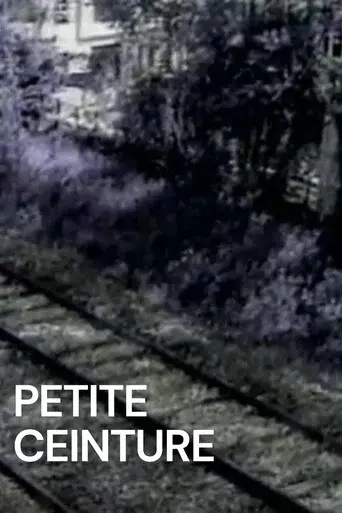
Part of Chris Marker’s Three Video Haikus series, Petite Ceinture is a brief visual meditation on Paris’s abandoned circular railway, filmed as an homage to the Lumière brothers.
Petite Ceinture
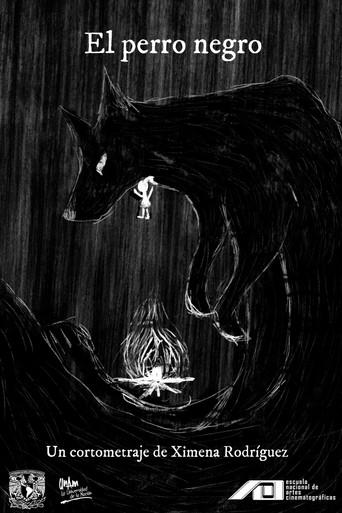
Since Rosa was little, people used to say around town that her grandfather was a black dog. The legend, belonging to the Valley of Oaxaca, spoke of a man who had the ability to turn into a black dog and roam the streets at night. Through images of the town, interviews with the brothers and animated interventions, the documentary tells the story of the myth and its importance in the collective memory.
The Black Dog


A short portrait film of the collaboration between experimental musicians Art-Errorist (Jean-Herve Peron) and Zsolt Sőrés together with Jesus & Mary Chain's Douglas Hart.
The Wasp Boutique

“Sardar Gurcharan Singh was the father of studio pottery in India. "Daddyji" as most called him lovingly was very close to my father. I often tagged along to visit his home studio where pottery wheels were lined up under the big neem trees in his old brick house. My father wanted me to make a film on Daddyji, who was then 95. He was afraid that Daddyji's wonderful story would be left untold. He not only introduced studio pottery in India but due to his longevity, mentored many potters. So despite not knowing anything about films, I made the documentary, Imprint in Clay with a classmate of mine, which was mostly funded by my father.”
Imprint in Clay

MARKS/MARKS examines the relationship between the mark making of optical lens technologies (writing with light) and the mark making of painting within the context of digital technology and mass data. The film maps the movement of painter Dr Harrison Waed See in the studio painting to generate the tempo and trigger audio and visual effects. Similarly digital image sonification and digital data sonifcation of still and moving images of Dr See were used to generate further noise and visual effects. Alongside this, the soundtrack also includes amplifcations of the sound of his movements and paint brush.
MARKS/MARKS
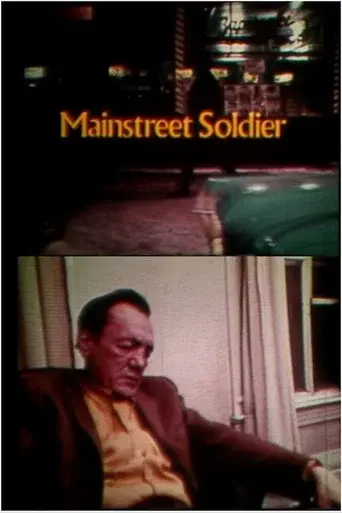
World War II veteran Ray LeClair relives his marches through a haze of alcoholism on Winnipeg's Historic Main Street. The film draws from Ray's two battlefields, war and the street.