With Tired Theodore to the Putte's Mill
Original Title: “Med trötte Teodor till Puttes kvarn”
Overview
The old bus "Tired Theodore" came into service in 1954 and operated for long periods along the line Lumparland - Mariehamn. One summer day a number of older people had gathered for a bus ride along the winding country roads in Lumparland, and to relive old memories. At the same time one of the locals, Putte Karlsson, took up a large project: rebuilding the old mill in Lumparby. The mill was owned by his grandfather, skipper and farmer in the village. Sawmills previously existed in many villages in Åland Islands but today they are no longer in use. It is a big challenge and many are skeptical that Putte will put everything to work.
Top Cast

Putte Karlsson
Himself
Key Film Crew
Production Stats
You May Also Like
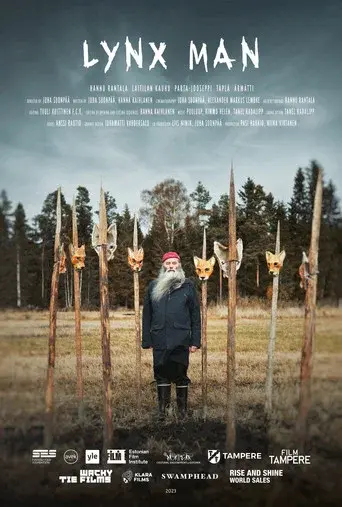
A Finnish equivalent of Werner Herzog’s Grizzly Man, Hannu has a love and connection to nature that surpasses most. It is the rare lynx in particular that has bitten into Hannu’s heart – so much so that he actually claims to be able to speak its language. So when a dead lynx turns up in his forest, he dons an animal mask, crawls down on all fours and sniffs out the mystery through the mire and thicket. With hauntingly beautiful footage captured by hidden cameras throughout the forest, ‘Lynx Man’ paints a colourful and vivid twilight picture of the natural world around us – and of man’s impact on it. For no matter what Hannu does to live in harmony with the animals, he cannot hide from belonging himself to the species that is the lynx’s worst enemy. It makes sense that most of Juha Suonpää’s atmospheric film takes place in the twilight between dream and reality. Here, the vast forests come alive in Hannu’s hypnotic Night Vision footage of the nocturnal life of the lynx.
Lynx Man
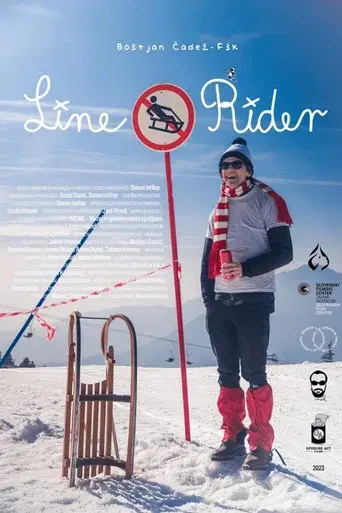
Simon Intihar’s film will delight geeks, bring memories back and encourage young people to google even quicker. One thing is certain. Having seen this film many viewers will try their own skills on the digital arena. The director takes us on a nostalgic journey to the times when a talented and somewhat extravagant student could develop an international gaming phenomenon in his own room. Fifteen years later the eponymous game still has its fans. Is the creator among them, too?
Line Rider

What is it like to be HIV-positive in Russia? The authors of the film spent several days with the HIV-infected characters Alexandra and Olesem and made a film about how they live. This is a kind of chronicle - the characters in the frame live their lives. Moments of sadness, moments of joy. They live as they know how and as they really live.
Nothing to Be Afraid Of

In the official Church view, homosexual women are regarded as nothing less than the embodiment of "an intrinsic moral evil." These daughters of Eve are the subjects of this documentary. In this enlightening film, the viewer shares the pain and heartache of these women as they struggle for knowledge, courage and self-affirmation.
Eve's Daughters

This short film from the Perspective series highlights social and economic development in Haiti circa 1957. It depicts customs and traditions used to pass along the history of a people, and offers a look into their daily lives — lives that looks very different from their experiences today.
Haiti
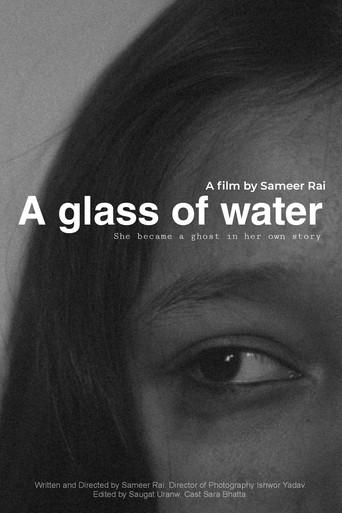
A married woman reflects on her painful past and wonders what she would say to her 15-year-old self if they ever met a quiet conversation between innocence and experience.
A glass of water

A documentary from Erkki Karu, one of the earliest pioneers of Finnish cinema: This government-produced propaganda film introduces the nature, sports, military, agriculture and capital of Finland.
Finlandia
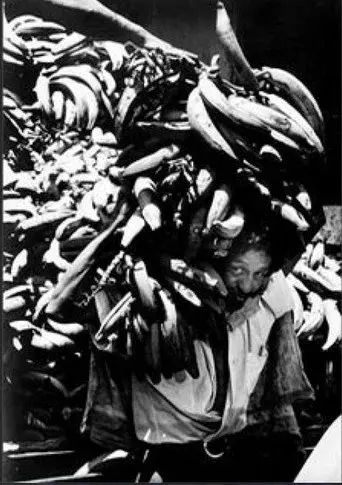
Narrated by Bill Slater, this short black & white educational film is about sporting and outdoor activities on the majestic Hudson River in New York State.
Down Stream Highway
The master collects silver parings, melts it down, created earrings, rings, bracelets, hair pins, stones inset into the silver, the master imparting the craft to his apprentices.
Turkmen Jewelry Craft

A lyrical and nostalgic analysis of how Casablanca, the mythical film directed by Michael Curtiz in 1942, has influenced both film history and pop culture.
Casablanca revisitada
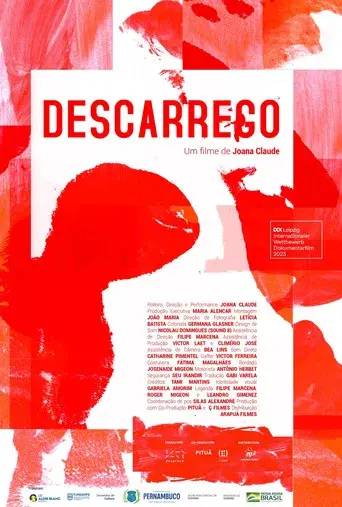
A fairly shabby, dark, three-part wardrobe in a hallway: About ten years have passed since Joana Claude suffered sexual violence when it was assembled. Now the time has come to not only disassemble it. Instead, Joana sets out to destroy the artefact of pain completely. The gesture is made with fervour, tearing out the shelves and doors looks like retroactive resistance, what was pent up finds an outlet. At the same time, the ritual is characterised by gradual escalation: At first the director speaks of her relationship with her parents – a big sweat stain on her back already beginning to show –, in the end everything is in flames. The act is short, it lasts only a few minutes. And yet it allows an intimate insight that acquires a universal, strength-giving character as it unfolds.
Deliverance
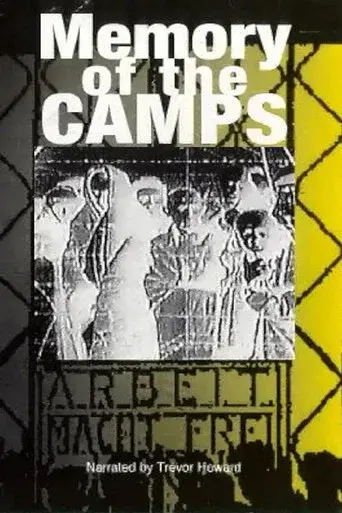
In 1945, Allied troops invaded Germany and liberated Nazi death camps. They found unspeakable horrors which still haunt the world’s conscience. A film was made by British and American film crews who were with the troops liberating the camps. It was directed in part by Alfred Hitchcock and was broadcast for the first time in its entirety on PBS FRONTLINE in 1985.
Memory of the Camps

Haskell Wexler revisits the themes of his previous work "Medium Cool" on the occasion of the Occupy demonstrations in Chicago in 2012.