The Coelacanth, a dive into our origins
Original Title: “Le Cœlacanthe, plongée vers nos origines”
“A unique human adventure and a media-worthy scientific project”
Overview
Gombessa Expedition 1 To dive for the Coelacanth is to go back in time. In 1938, when it was known only as a fossil, a Coelacanth was discovered in South Africa in a fisherman's net. This species bears witness to an evolutionary bifurcation 380 million years ago, and bears the marks of a great event: the day the fish left the ocean for the open air. Does it hold the secret to the transition to walking on land? In 2010, a marine biologist and outstanding diver, Laurent Ballesta, took the first photographs of the Coelacanth in its ecosystem. In April 2013, divers and researchers set down their equipment at the Sodwana base camp in South Africa, in the club founded by Peter Timm (who died in 2014). Six weeks of extreme diving at depths of over 120 meters, in an attempt to film the Coelacanth with a double-headed camera, collect its DNA and tag a subject with a satellite-linked beacon...
Top Cast
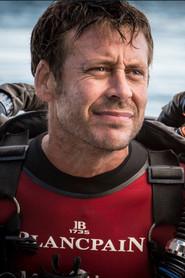
Laurent Ballesta
Self - Plongeur, photographe, biologiste marin

Gaël Clément
Self - Paléontologue au Muséum d’histoire naturelle de Paris

Peter Timm
Self - Plongeur, fondateur du Trimix, Afrique du Sud
Emmanuel Blanche
Self - Médecin hyperbare de l'expédition " Gombessa 1 "
Florian Holon
Self - Plongeur de l'expédition " Gombessa 1 "
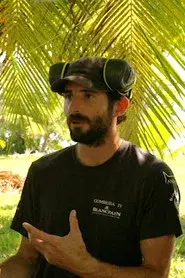
Thibault Rauby
Self - Biologiste, plongeur de l'expédition " Gombessa 1 "

Yanick Gentil
Self - Cameraman sous-marin, plongeur de l'expédition " Gombessa 1 "
Marc Herbin
Self - Spécialiste de la locomotion des vertebrés, CNRS / MNHN
Kerry Sink
Self - Chercheur au The South African Institute Aquatic Biodiversity
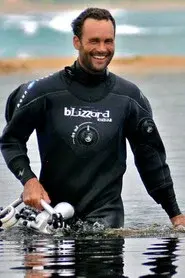
Cédric Gentil
Self - Logisticien de l'expédition " Gombessa 1 "
Mélanie Faye
Narrator (voice)
Key Film Crew
Production Stats
You May Also Like


In Egypt's Sahara Desert, massive skeletons with strange skulls and gigantic teeth jut out from the sandy ground. This fossil graveyard, millions of years old, is known as the "Valley of the Whales." Now, paleontologists have unearthed a whole new species of ancient whale dating to 43 million years ago, and this predator wasn't just able to swim – it also had four legs and could walk. Follow scientists as they search for new clues to the winding evolutionary path of mammals that moved from the land into the sea to become the largest animals on Earth.
When Whales Could Walk

In Australia, sharks have recently been recorded with unusual prey-including other sharks. In order to figure out what has caused this shift in diet, Dr. Charlie Huvaneers and team head to shark infested waters to find out what's in the stomach of a great white - and why.
Mega Predators of Oz

James Cameron teams up with NASA scientists to explore the Mid-Ocean Ridge, a submerged chain of mountains that band the Earth and are home to some of the planet's most unique life forms.
Aliens of the Deep

The largest predator on the planet, the sperm whale, is your host for an amazing exploration of the final frontier – the world at the bottom of the ocean. From the makers of the Walking With series comes this incredible marine tour, in which you'll witness a rarely seen world of hidden mountain ranges, majestic canyons, volcanoes and the beautiful and often deadly creatures that inhabit the deep sea.
Ocean Odyssey

A man and his spirit navigate in harmony with nature. By day, by night, by the upheavals of unpredictability, he navigates the river as we all navigate our lives.
Beyond the Water's Edge
The Cove tells the amazing true story of how an elite team of individuals, films makers and free divers embarked on a covert mission to penetrate the hidden cove in Japan, shining light on a dark and deadly secret. The shocking discoveries were only the tip of the iceberg.
The Cove
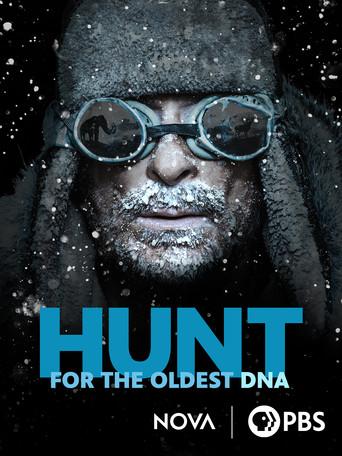
Three million years ago, camels roamed through Greenland’s endless forests and our ancestors lived in the trees. It all came to an end with the Ice Ages. What died and what survived, as natural selection shaped the evolutionary tree during this epochal shift from hot to cold? Until now, scientists have known less about the natural world before the Ice Age than they did about the age of dinosaurs, which ended 64 million years ago. A new discovery is set to reveal this lost world, species by species. Led by Danish gene-hunter Eske Willerslev, a team of scientists for the first time in history is sequencing DNA from before the Ice Age. The picture that emerges is of a hot planet, when forests blanketed the Arctic and carbon levels matched those in our atmosphere today. Is this a portrait of our own climate future?