
Overview
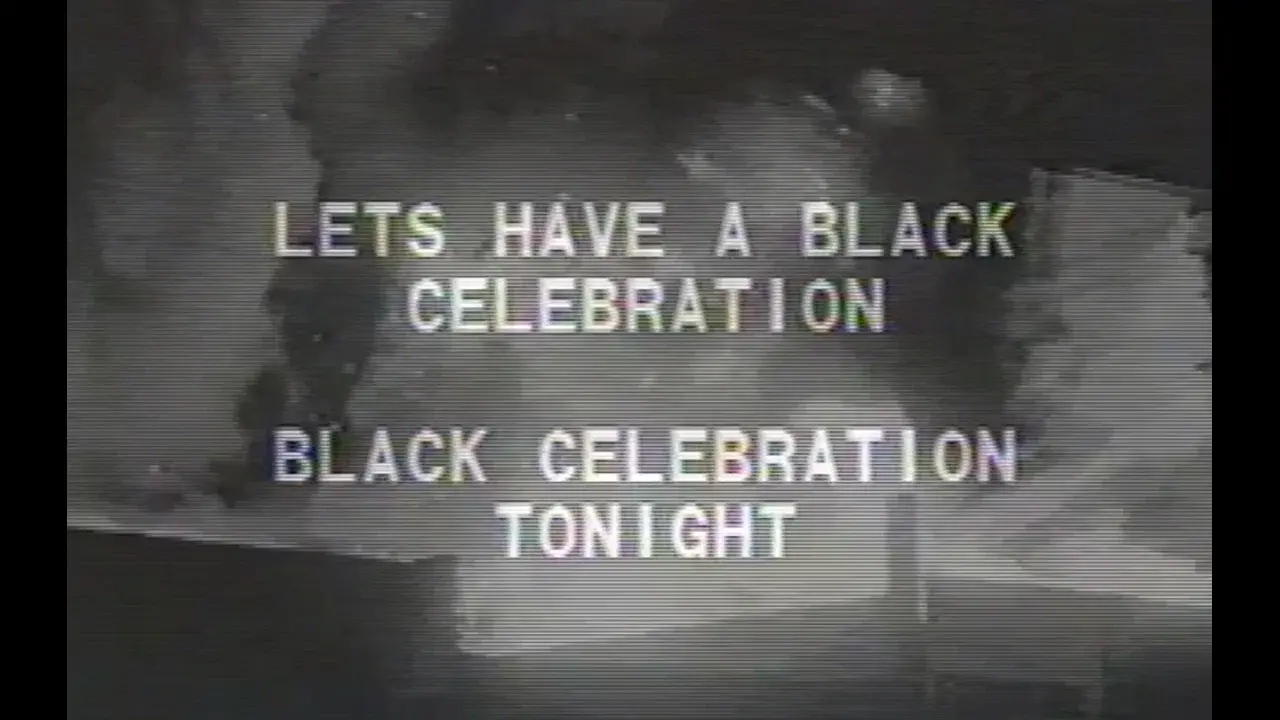
This engaged reading of the urban black riots of the 1960s references Guy Debord’s Situationist text, “The Decline and Fall of the Spectacle-Commodity Economy,” Internationale Situationniste #10 (March 1966). Along with additional commentary adapted from Barbara Kruger and musicians Morrissey and Skinny Puppy, the text posits rioting as a refusal to participate in the logic of capital and an attempt to de-fetishize the commodity through theft and gift. Cokes asks, “How do people make history under conditions pre-established to dissuade them from intervening in it?”
Key Film Crew
Production Stats
You May Also Like
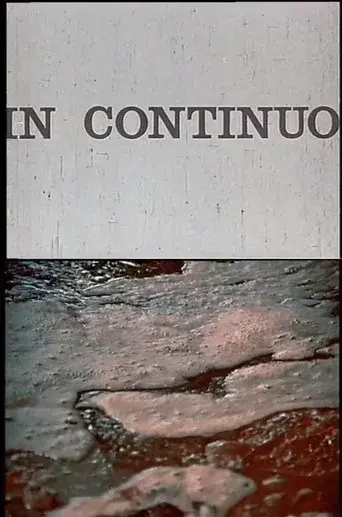
"In continuo" uses slaughterhouse imagery to present the warlike nature of man, first depicting the cleaning and mechanical preparations for the slaughterhouse and then the killing, however, the animal slaughter itself isn’t shown.
In continuo
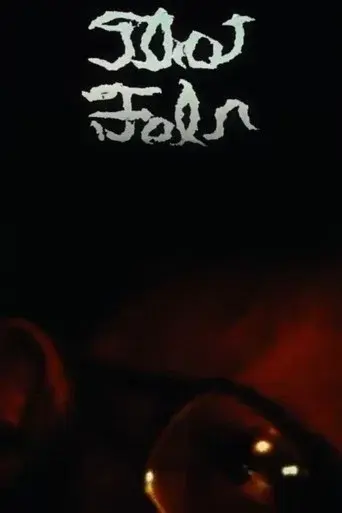
This film describes a psychological state "kin to moonstruck, its images emblems (not quite symbols) of suspension-of-self within consciousness and then that feeling of falling away from conscious thought. The film can only be said to describe or be emblematic of this state because I cannot imagine symbolizing or otherwise representing an equivalent of thoughtlessness itself. Thus the actors in the film, Jane Brakhage, Tom and Gloria Bartek, Williams Burroughs, Allen Ginsberg, Peter Olovsky and Phillip Whalen are figments of this 'Thought-Fallen Process', as are their images in the film to find themselves being photographed."
Thot-Fal'N

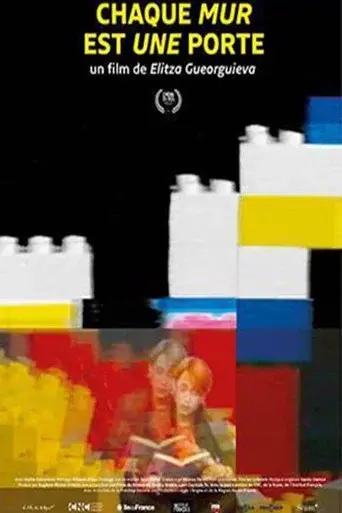
Drawing on VHS tapes of a programme hosted by her mother on Bulgaria’s national television, the filmmaker gives a pop-style and in-depth chronicle of the gentle – even “over-gentle” – 1989 revolution.
Every Wall is a Door
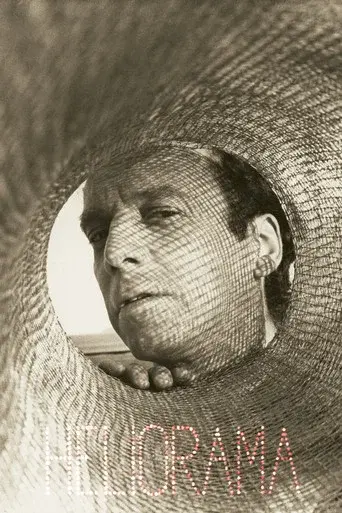
A collage of newsreels, trailers, clips and other visionary and unseen fragments of sight and sound regarding the late plastic artist Helio Oititica.
Heliorama

A look at the various modes of transportation made for the Expo '86 World Fair in Vancouver, Canada.
Transitions

Arguably Larry Gottheim’s most exuberant experiment in the single-shot, single-roll format (and his first with a soundtrack), HARMONICA trains the camera on a friend improvising a tune in the backseat of a moving car. Held out the window, the harmonica becomes a musical conduit for the wind, while Gottheim's film transforms before our eyes into a playful meditation on wrangling the natural elements into art. - Max Goldberg