

Overview
Italy, 1970. An increasing legion of harmless warriors begins a peaceful struggle for sexual freedom through pornography, shaking and shocking religious authorities and conservative political institutions. They are ironic, happy, crazy. They are dreamers, defenders of definitive communion between body and soul. But they were censored and humiliated. They were mistreated and arrested for demanding loud a new cultural renaissance.
Top Cast

Lasse Braun
Self - Filmmaker

Riccardo Schicchi
Self - Photographer

Giampiero Mughini
Self - Writer

Giuliana Gamba
Self - Filmmaker

Fiorella Etro
Self - Playmen Staff Member
Francesco Coniglio
Self - Magazine Editor
Lidia Ravera
Self - Writer

Porpora Marcasciano
Self - LGTB Activist

Judith Malina
Self - Actress
Helena Velena
Self - Writer
Antonio Veneziani
Self - Writer

Marco Giusti
Self - Film Critic
Key Film Crew
Production Stats
You May Also Like
In Spain, on May 11, 1896, at the Price circus, the first moving images ever shown in the country are projected. From that event, the Spanish actor Antonio Resines intends to compile a series of anecdotes to shape the amazing history of Spanish cinema, holding several conversations with prominent figures of the Spanish film industry.
Stories of Our Cinema

The video revolution of the 1970s offered unprecedented access to the moving image for artists and performers. This Is Not a Dream explores the legacies of this revolution and its continued impact on contemporary art and performance. Charting a path across four decades of avant-garde experiment and radical escapism, This Is Not a Dream traces the influences of Andy Warhol, John Waters and Jack Smith to the perverted frontiers of YouTube and Chatroulette, taking in subverted talk shows and soap operas, streetwalker fashions and glittery magic penises along the way.
This Is Not a Dream

Amateur's Riot (Shirōto no ran) is a Japanese association of activists, committed to the living conditions of the poor people (binbōnin) in Tōkyō. The association was founded in 2005 by Matsumoto Hajime, Yamashita Hikaru, Futatsugi Shin, Mochitsuki Rui and Ogasawara Keita. The protagonists of Shiroto no Ran played an important role in the anti-nuclear demonstrations that appeared in response to the Fukushima nuclear catastrophe.
Amateur's Riot

Spain, early 20th century. As a child, Leocadia Cantalapiedra was dazzled by a new art: cinema; but she lives in a society where directing films is something only men can do.
The Marvellous Spiral

Apple Juice is an classic skateboarding documentary shot by SKATE NYC locals from the late 80’s early 90’s. SKATE NYC is a legendary skateboard store that was on Ave A and 9th St. in the East Village in NY from 1986-91.
Apple Juice

A dialogue-free documentary on former magazine model Pandora Peaks, with narration by Peaks and Meyer.
Pandora Peaks


A roller-coaster ride through the history of American exploitation films, ranging from Roger Corman's sci-fi and horror monster movies, 1960s beach movies, H.G. Lewis' gore-fests, William Castle's schlocky theatrical gimmicks, to 1970s blaxploitation, pre-"Deep Throat" sex tease films, Russ Meyer's bosom-heavy masterpieces, etc, etc. Over 25 interviews of the greatest purveyors of weird films of all kind from 1940 to 1975. Illustrated with dozens of films clips, trailers, extra footage, etc. This documentary as a shorter companion piece focusing on exploitation king David F. Friedman.
Hollywood Rated 'R'

The Story of X takes you to the earliest days of adult films when men peddled stag reels and projectors out of the trunks of their cars, then through the movie house years to the arrival of the home video business, and now the Internet. Meet the men behind the camera, such as "King of Sexploitation" Dave Friedman and the preeminent breast man Russ Meyer. Considered pariahs at the time, they're now hailed as pioneers in the fight against censorship. The Story of X visits the '60s when women's rights, not nudity, became the issue and recounts porn's arrival in Hollywood, led by director Bernardo Bertolucci's Last Tango in Paris. In the '70s, several groundbreaking films, including Behind the Green Door featuring Marilyn Chambers and Deep Throat featuring Linda Lovelace, took the genre to a new level.
Playboy: The Story of X
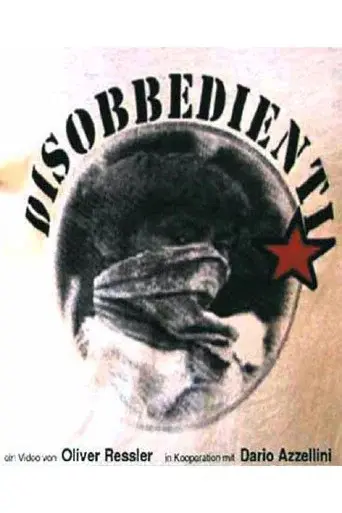
The Disobbedienti emerged from the Tute Bianche during the demonstrations against the G8 summit in Genoa in July 2001. The “Tute Bianche” were the white-clad Italian activists who used their bodies – protected by foam rubber, tires, helmets, gas masks, and homemade shields – in direct acts and demonstrations as weapons of civil disobedience. The Tute Bianche first appeared in Italy in 1994 in the midst of a social setting in which the “mass laborer,” who had played a central role in the 1970s in production and in labor struggles, was gradually replaced in the transition to precarious post-Fordist means of production. “Disobbedienti” thematizes the Disobbedienti’s origins, political bases, and forms of direct action on the basis of conversations with seven members of the movement.
Disobbedienti
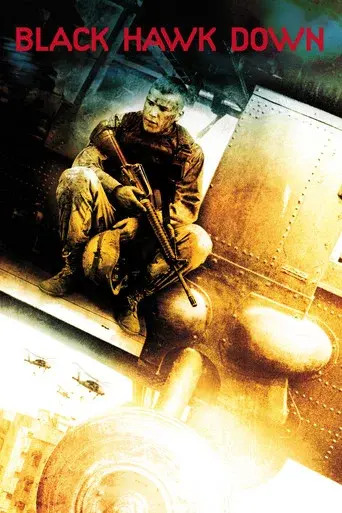
When U.S. Rangers and an elite Delta Force team attempt to kidnap two underlings of a Somali warlord, their Black Hawk helicopters are shot down, and the Americans suffer heavy casualties, facing intense fighting from the militia on the ground.
Black Hawk Down
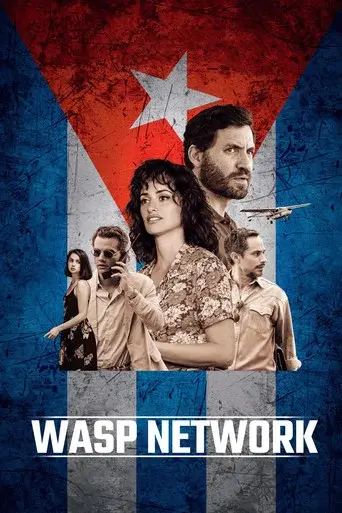
Havana, Cuba, 1990. René González, an airplane pilot, unexpectedly flees the country, leaving behind his wife Olga and his daughter Irma, and begins a new life in Miami, where he becomes a member of an anti-Castro organization.
Wasp Network
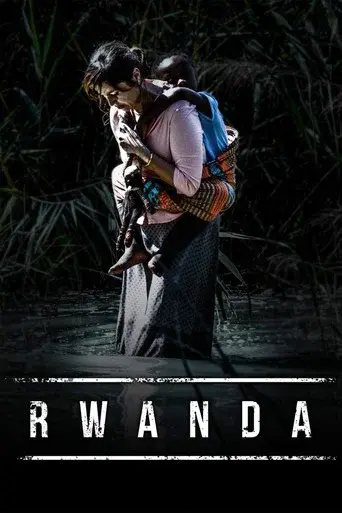
Two white Italian actors play Black Rwandans in a fact-based tale set during the Rwanda genocide.
Rwanda

A poetic short film showing a day in the 2019 protests in Santiago, Chile through documentary images.
Primavera Lacrimógena

Belonging Syndrome is a short documentary that follows Duang, a second-generation Italian-Thai girl. Duang, during a period of stay in a monastery. Through her inner diary, the film explores a suspended phase of life: the one in which identity it is not yet defined and belonging becomes an open question. The monastery becomes the physical and symbolic place where Duang observes herself. Immersed in a daily life marked by rituals, silences and repeated gestures, the protagonist goes through an experience of deep listening, in which time slows down and perception is refined. Belonging Syndrome talks about hybrid identities, cultural legacies that coexist without completely merging, the difficulty and possibility of inhabiting multiple worlds without having to choose just one. It is an intimate and contemplative story about the search for balance in a fragile and open phase of existence.