Overview
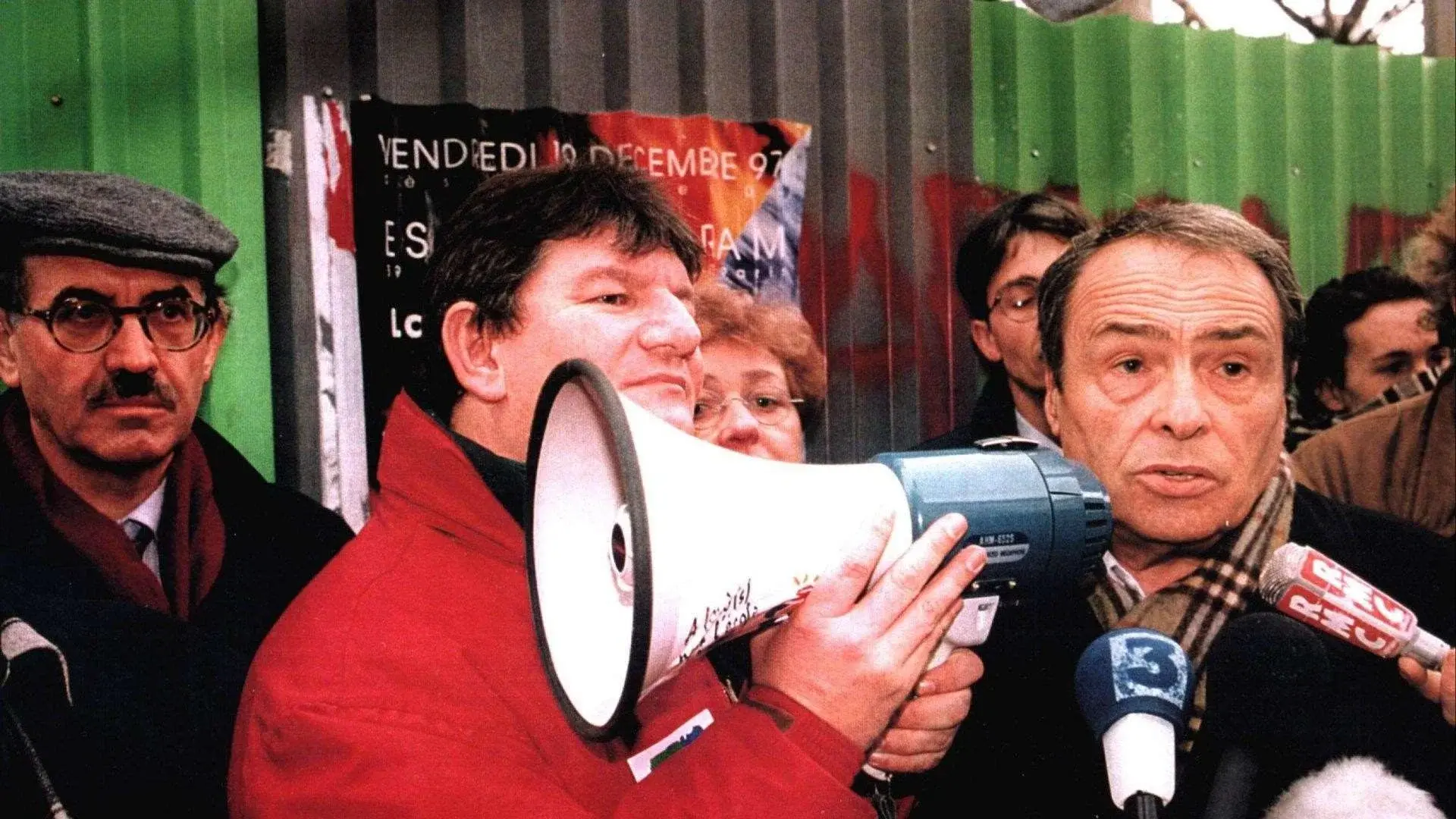
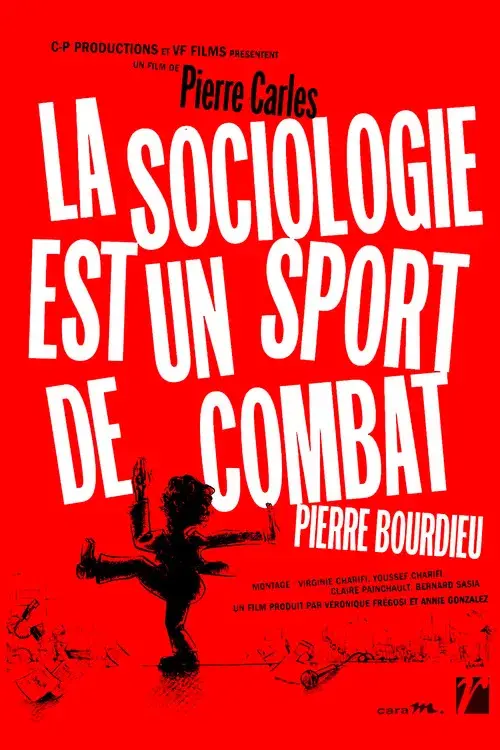
"I often say sociology is a martial art, a means of self-defence. Basically, you use it to defend yourself, without having the right to use it for unfair attacks." (Pierre Bourdieu) The world has witnesses who speak out loud what others keep to themselves. They are neither gurus, nor masters, but those who consider that the city and the world can be thought out. The sociologist, Pierre Bourdieu is one such witness." Over a three- year period, Pierre Carles' camera followed him through different situations: a short conversation with Günter Grass, a lively conference with the inhabitants of a working-class suburb, his relations with his students and colleagues and his plea that sociology be part of the life of the city. His thinking has a sort of familiarity, which means it is always within our reach. It is the thinking of a French intellectual who has chosen to think his times.
Top Cast

Pierre Bourdieu
Self
José Bové
Self
Pierre Carles
Self

Gary Reich
Self
Loïc Wacquant
Self
Key Film Crew
Production Stats
You May Also Like

An exploration —manipulated and staged— of life in Las Hurdes, in the province of Cáceres, in Extremadura, Spain, as it was in 1932. Insalubrity, misery and lack of opportunities provoke the emigration of young people and the solitude of those who remain in the desolation of one of the poorest and least developed Spanish regions at that time.
Land Without Bread


In 1937, tens of thousands of Haitians and Dominicans of Haitian descent were exterminated by the Dominican army, on the basis of anti-black racism. Fast-forward to 2013, the Dominican Republic's Supreme Court stripped the citizenship of anyone with Haitian parents, retroactive to 1929, rendering more than 200,000 people stateless. Elena, the young protagonist of the film, and her family stand to lose their legal residency in the Dominican Republic if they don't manage to get their documents in time. Negotiating a mountain of opaque bureaucratic processes and a racist, hostile society around, Elena becomes the face of the struggle to remain in a country built on the labor of her father and forefathers.
Elena

Since September 2022, "Les Rencontres du Papotin" has garnered significant attention, shining a spotlight on the work undertaken by its unique team of journalists—who have autism spectrum disorders—following more than 30 years with the publication *Le Papotin*. From editorial meetings to behind-the-scenes footage, this film offers a close-up look at the daily lives of this extraordinary editorial team. Featuring previously unseen archival footage, the documentary chronicles the initial encounters between the journalists and various prominent figures.
Au cœur du Papotin

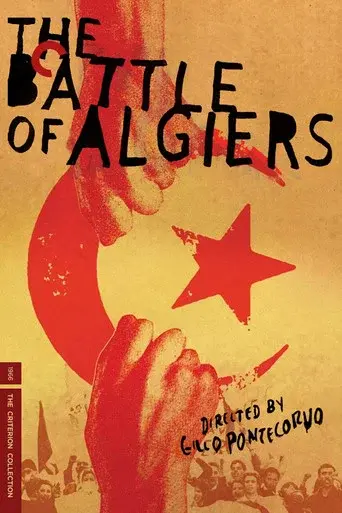
Made just three years after the end of the French-Algerian War (1954-1962), Gillo Pontecorvo's The Battle Of Algiers instantly ignited discussions of this complex historical period. Using the film as a point of reference, this 2004 documentary attempts to reconstruct the Algerian experience of the battle for independence.
Remembering History

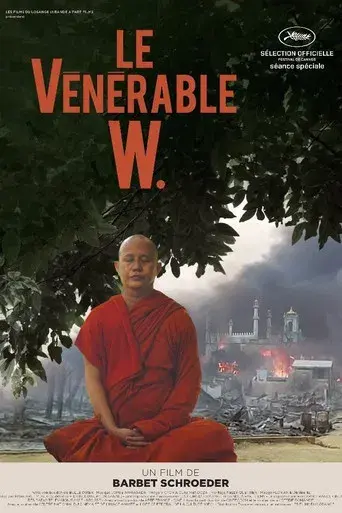
A view of the religious tensions between Muslims and Buddhist through the portrait of the Buddhist monk Ashin Wirathu, leader of anti-Muslim movement in Myanmar.
The Venerable W.
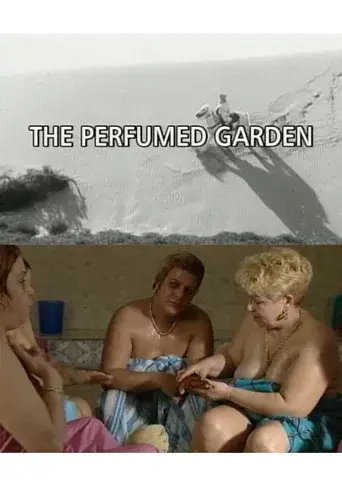
THE PERFUMED GARDEN is an exploration of the myths and realities of sensuality and sexuality in Arab society, a world of taboos and of erotic literature. Through interviews with men and women of all ages, classes, and sexual orientation, the film lifts a corner of the veil that usually shrouds discussion of this subject in the Arab world. Made by an Algerian-French woman director, the film begins by looking at the record of a more permissive history, and ends with the experiences of contemporary lovers from mixed backgrounds. It examines the personal issues raised by the desire for pleasure, amidst societal pressures for chastity and virginity. The film discusses pre-marital sex, courtship and marriage, familial pressures, private vs. public spaces, social taboos (and the desire to break them), and issues of language.
The Perfumed Garden
On June 14, 1977, the eve of the first democratic elections after Franco's regime, Llorenç Soler and his crew go out into the street and ask passers-by which party they are going to vote for.
¡Votad, votad, malditos!

'Do you feel cheaper?' We are filming young Lithuanian men working in Sweden. They do not want to be caught on camera, they do not want to participate in creating yet another media image of guilt and pity. They film us. We empty a bottle of moonshine, we dance on their porch. They might let us film them tomorrow. Second Class is a time document about class, respect, the value of work and human being.