

Dan Cruickshank and the Family That Built Gothic Britain
Overview
As good as any Dickens novel, this is the triumphant and tragic story of the greatest architectural dynasty of the 19th century. Dan Cruickshank charts the rise of Sir George Gilbert Scott to the very heights of success, the fall of his son George Junior and the rise again of his grandson Giles. It is a story of architects bent on a mission to rebuild Britain. From the Romantic heights of the Midland Hotel at St Pancras station to the modern image of Bankside power station (now Tate Modern), this is the story of a family that shaped the Victorian age and left a giant legacy.
Top Cast

Dan Cruickshank
Presenter
Key Film Crew
Production Stats
You May Also Like
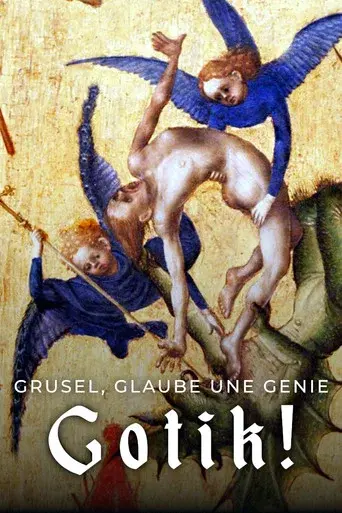
Death and the devil, nudity and eroticism, horror in blazing colours, Gothic art cast a spell over people 500 years ago. In these image-poor times, art deliberately and skilfully played with the emotions of the viewer, triggering fear, devotion, but also rapture. Art documentary on German gothic art of the late-middle ages.
The Genius of Gothic Art




This spiritual successor to the 1942 original explores the vibrant yet tumultuous growth of Britishness over the past century. The film gives voices to a new reality of Britain, one that has been formed through the flourishing multiculturalism the country has seen since the original film was made. Academics and artists are interviewed to explore both past and present, and consider what a future Britain may look like.
Listen to Britain


Documentary looking back at a Britain during the darkest days of WWII using stunning new archived footage and interviews with people who lived through it.
Britain and the Blitz

A registration of the band's concert at the Roseland Ballroom in New York City during their 1998 reunion tour.
Bauhaus: Gotham


A look at Britain's beloved canal network via a fact-filled cruise along the first superhighways of the Industrial Revolution. In the age before mechanisation, a frenzy of canal-building saw a new army of workers carve out the British landscape, digging out hundreds of miles of waterways using picks, shovels and muscle.
The Canal Map of Britain

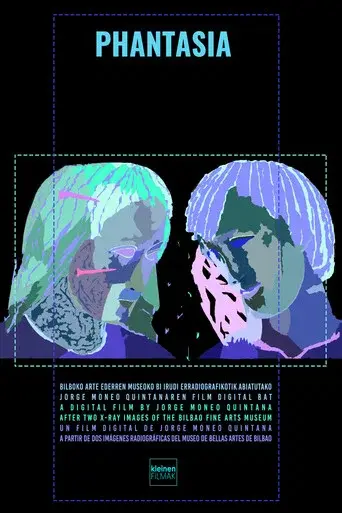
X-ray images were invented in 1895, the same year in which the Lumière brothers presented their respective invention in what today is considered to be the first cinema screening. Thus, both cinema and radiography fall within the scopic regime inaugurated by modernity. The use of X-rays on two sculptures from the Bilbao Fine Arts Museum generates images that reveal certain elements of them that would otherwise be invisible to our eyes. These images, despite being generally created for technical or scientific purposes, seem to produce a certain form of 'photogénie': they lend the radiographed objects a new appearance that lies somewhere between the material and the ethereal, endowing them with a vaporous and spectral quality. It is not by chance that physics and phantasmagoria share the term 'spectrum' in their vocabulary.
Phantasia


An analysis of the gothic movement, which emerged in the late 1970s in the United Kingdom, through its history, codes, favorite themes, and sources of inspiration, the clichés it is subject to, and the different tribes that comprise it. Alternating commentary on factual images of the scene (concerts, nightclubs, specialty shops, etc.) with interviews with goths, including Olivier, leader of the band ROSA CRUX, Patrick Eudeline, rock journalist, François Darmigny, fashion photographer, and the president of Miviludes, the Interministerial Mission for Vigilance and Combating Sectarian Aberrations.
