Fragments: Surviving Pieces of Lost Films
Overview
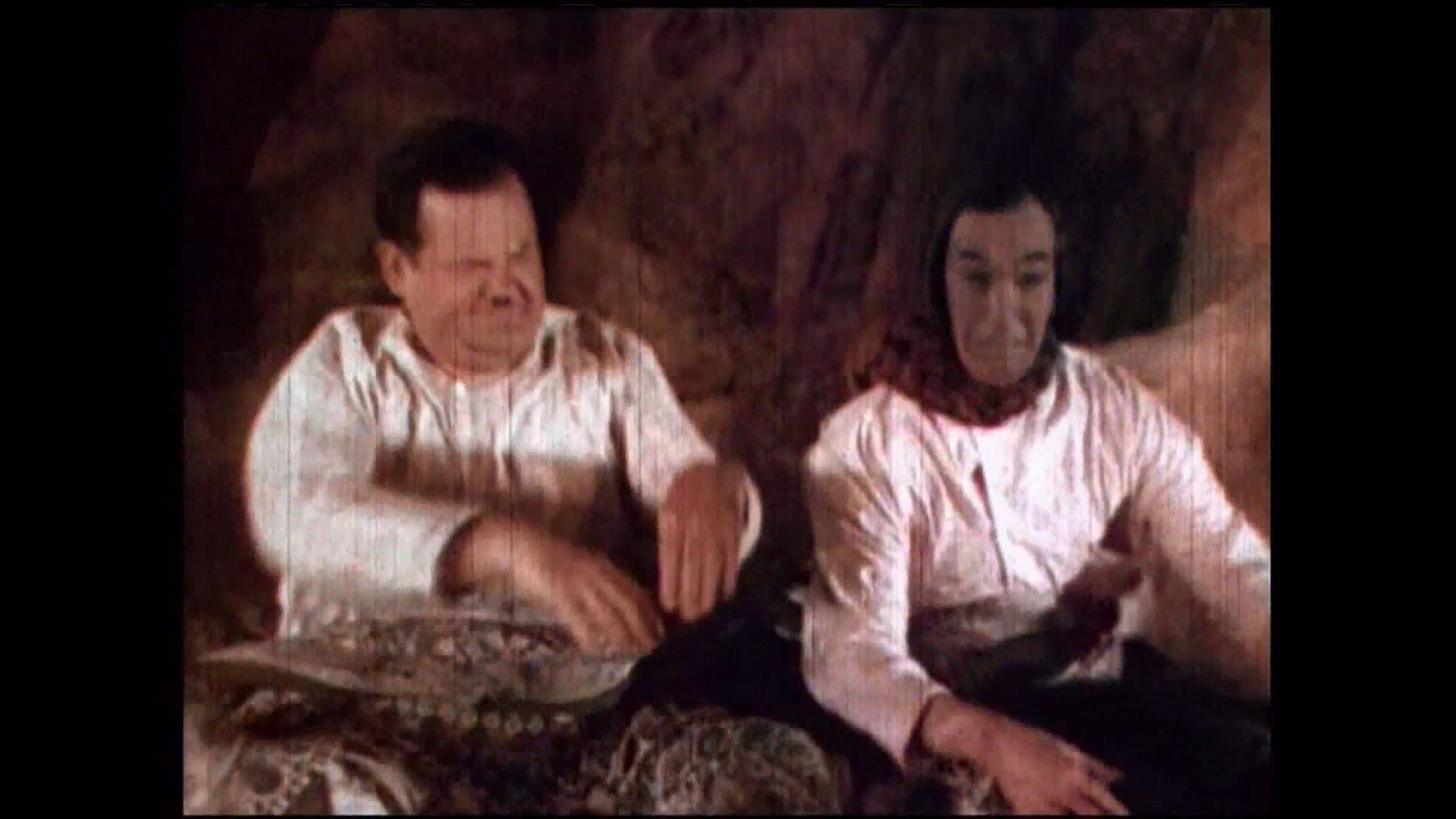
Among the pieces featured in Fragments are the final reel of John Ford's The Village Blacksmith (1922) and a glimpse at Emil Jannings in The Way of All Flesh (1927), the only Oscar®-winning performance in a lost film. Fragments also features clips from such lost films as Cleopatra (1917), starring Theda Bara; The Miracle Man (1919), with Lon Chaney; He Comes Up Smiling (1918), starring Douglas Fairbanks; an early lost sound film, Gold Diggers of Broadway (1929), filmed in early Technicolor, and the only color footage of silent star Clara Bow, Red Hair (1928). The program is rounded out with interviews of film preservationists involved in identifying and restoring these films. Also featured is a new interview with Diana Serra Cary, best known as "Baby Peggy", one of the major American child stars of the silent era, who discusses one of the featured fragments, Darling of New York (1923).
Top Cast

Baby Peggy
Herself

Heather Linville
Herself - Film Preservationist: Academy Film Archive
Mike Mashon
Himself
Michael Pogorzelski
Himself

King Baggot
Himself (archive footage)
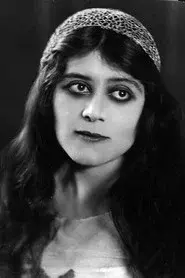
Theda Bara
Herself (archive footage)

Clara Bow
Herself (archive footage)
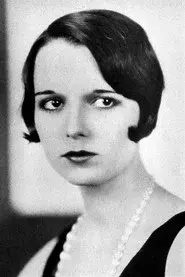
Louise Brooks
Herself (archive footage)

Lon Chaney
Himself (archive footage)

Betty Compson
Herself (archive footage)
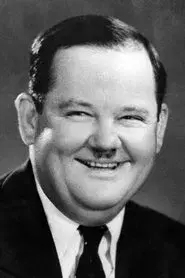
Oliver Hardy
Himself (archive footage)
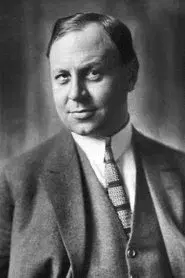
Emil Jannings
Himself (archive footage)
Key Film Crew
Production Stats
You May Also Like


A feature length documentary about Australian popular entertainment across 150 years; of Skating and Dancing, Vaudeville and Moving Pictures.
At the Coliseum Deluxe

This is a short film about Alice Guy-Blaché, the first female director of fiction in cinema history. Alice Guy was Léon Gaumont's secretary at the beginning of the last century and she was the first woman to ever direct actors in front of the camera. In 1895, the Lumière brothers introduced to the world the "Cinématographe", the first camera. Léon Gaumont decided to sell this revolutionary new device. Fascinated, Alice asked her boss for permission to use the camera to make her own films. Mr. Gaumont agreed only under the condition that she “would be able to keep up with her mail.” This short film is a poetic reverie that Alice Guy might have had in her time if only society at the time hadn't presented her with so many challenges.
Alice Guy's Dream

A retrospective look at the global impact of Alien, the science fiction and horror masterpiece directed by British filmmaker Ridley Scott in 1979, exploring the origins of its unique aesthetic and the audacity of its screenplay.
Alien: Terror in Space


Using testimonies by pioneers and witnesses of the times, delve into the feverish visual culture the media generated – with far-fetched examples of canine television games, seduction manuals, aerobics class while holding a baby, among others.
VHS Revolution
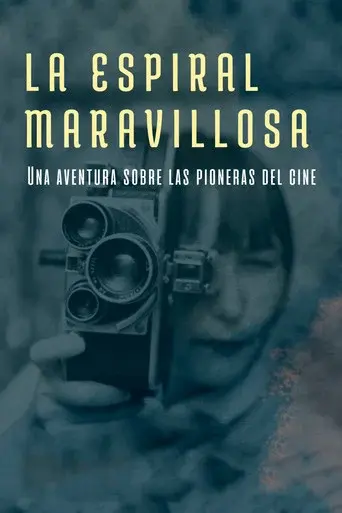
Spain, early 20th century. As a child, Leocadia Cantalapiedra was dazzled by a new art: cinema; but she lives in a society where directing films is something only men can do.
The Marvellous Spiral



Documentary on Ciby 2000, the French film production company founded by Francis Bouygues in 1990.
Citizen B
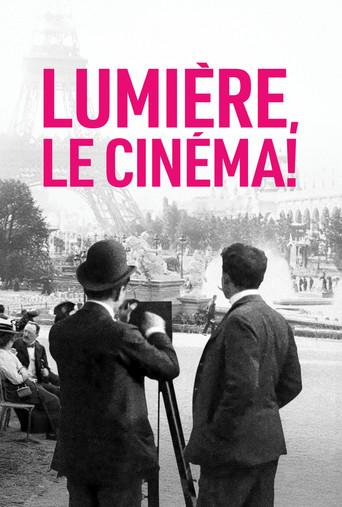
In one of those wonderful coincidences of history, lumière, the French word for “light,” was also the last name of brothers Auguste and Louis, whose brilliant invention, the cinematograph, helped to inaugurate the most beloved art form of the last 130 years. Institute Lumière director Thierry Frémaux uses Lumière, Le Cinema! to guide the viewer through over a hundred shorts—some famous, some forgotten, some never before seen—directed by Lumière and company. In the process, Frémaux illuminates how the brothers employed the camera as a creative instrument as they (and their operators) mastered framing, staging, and subject selection for quotidian and exotic microdocumentaries as well as the first ever fictional motion pictures. The result is not only a glorious re(telling) of the genesis of cinema but a profound meditation on the beautiful world captured—and the mysterious world imagined—by the Lumières.