

Teach Our Children
Overview
This film focuses on the historic 1971 Attica prison rebellion in upstate New York. It targets the conditions that caused prisoners to take drastic steps toward securing their basic rights. The film questions the reactions of prison warden Oswald, New York governor Nelson Rockefeller and President Nixon, as well as the death of 31 inmates and prison guards from bullets fired by the National Guard. Through on-site footage taken during and following the rebellion, and follow-up interviews with inmates, this film relates a powerful message concerning prisoner's rights and provides an important historical document. A Third World Newsreel production about the 1971 rebellion at Attica State Prison.
Key Film Crew
Production Stats
You May Also Like
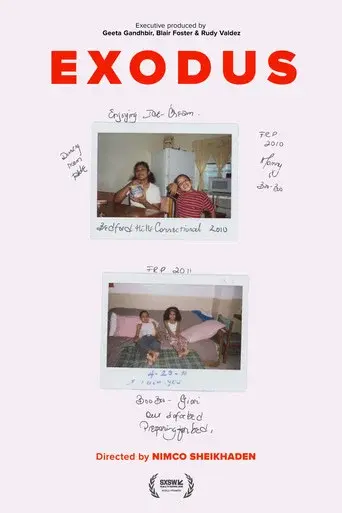
EXODUS is an intimate, lyrical portrait of Trinity Copeland and Assia Serrano as they struggle to make sense of their lives post-release, exploring the overarching question of: What does life after prison look like? Grappling with the weight of what they’ve done—and what society has done to them—the film explores the burden of absence, the toll of separation, and what it takes to rebuild fractured bonds.
Exodus

A Southern Indiana man endures a fatal night of torture after being arrested for a routine traffic stop.
Safe Place
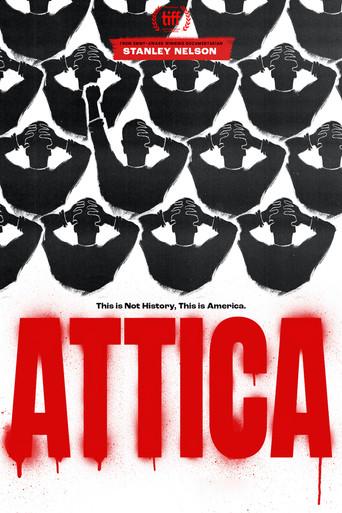
Follows the largest prison uprising in US history, conducting dozens of new interviews with inmates, journalists, and other witnesses.
Attica

Over the course of more than a decade, 4-time WNBA champion and Olympic Gold medalist Maya Moore and her family have been fighting for the release of a wrongfully convicted man named Jonathan Irons. This short film intimately follows Moore as she embarks on a road trip from Atlanta, GA to Jefferson City, MO to bring home the man who, after 23 years behind bars, has not only become a part of her family, but has also strengthened her faith and inspired her pursuit of criminal justice reform.
Make Him Known

Chennu committed his first crime when he was 15 years old: being a street kid. And he entered hell: Pademba Road. The adult prison in Freetown. In hell, Mr. Sillah is in charge, and there is no hope. Chennu got out after four years. Now he wants to go back.
Hell
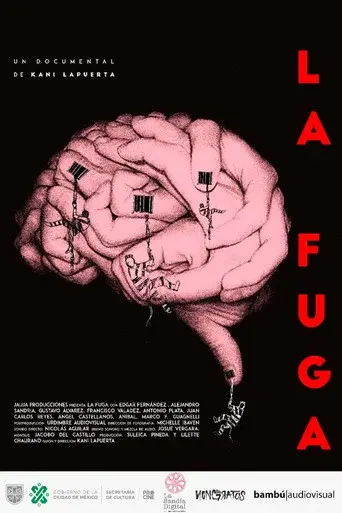
The internal journey of eight men, who, through a theater workshop, go through the different prisons they inhabit. Practicing the art of seeing themselves, in Boal's words, this group of men reflects on their masculinity as a representation to hide their true strength: their vulnerability.
La fuga

Bubu is a poet who has been committed to state institutions for the insane twelve times. He challenges the meaning of hospital-jails, hybrid institutions which sentence the insane to life imprisonment. The poem "The House of the Dead" was written during the filming of the documentary and reveals the forgotten deaths that occur in these judicial asylums. There are three stories in three acts of death. Jaime, Antonio, and Almerindo are anonymous men, considered dangers to society, whose punishment is the tragedy of suicide, the unending cycle of being committed to the asylum, or surviving life imprisonment in the house of the dead. Bubu is the narrator of his own life and also of his own destiny-death in the asylum.
The House of the Dead


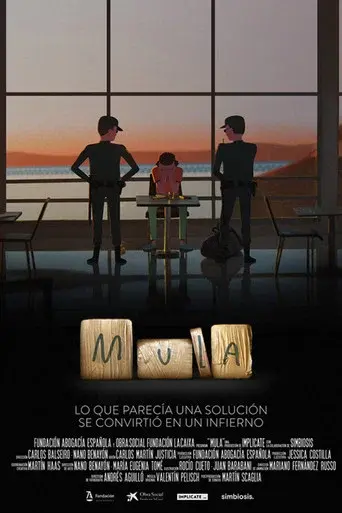
Francisco, Isabel, Fco. Javier and David are captured in different parts of the world when they worked as "mules" to overcome the crisis. They tell their stories from the deal that turned them into traffickers to their release from prison.
Mula

BEING MICHELLE follows the astounding journey of a deaf and disabled woman who survived incarceration under unimaginable circumstances by a system that refused to accommodate her needs as a deaf person with autism. Michelle's trajectory changed when she met Kim Law, a blind volunteer life coach who teaches classes to people in prison. Today, outside of prison, Kim and Michelle are doing the difficult work of unraveling Michelle's history, of telling the story of Michelle's traumatic childhood and her adverse experiences in the criminal justice system. With the support of Kim, Michelle realizes her own voice and strength. Throughout the film Michelle's artwork provides her own depiction of the trauma she survived as well as a means to her recovery. Ultimately, BEING MICHELLE is a story of redemption. It is about the bonds between women committed to thriving in a broken system, who are forging a path to healing that can only come through facing the truth and communicating it, together.
Being Michelle

Formerly incarcerated writer Marvin Wade speaks personally about his 25 years in prison and the positive transformation he achieved in spite of, not because of, the criminal legal system around him.
Prison and Time

An inside look as the 38-year-old prepares to perform at the famed Bridgestone Arena in his hometown of Nashville, featuring never-before-seen tour footage and interviews with the musician and those closest to him. It also shows how Jelly Roll balances life on tour with philanthropic work, including a visit to a juvenile detention facility where he was incarcerated multiple times to share his story in the hopes of inspiring positive change in others.
Jelly Roll: Save Me

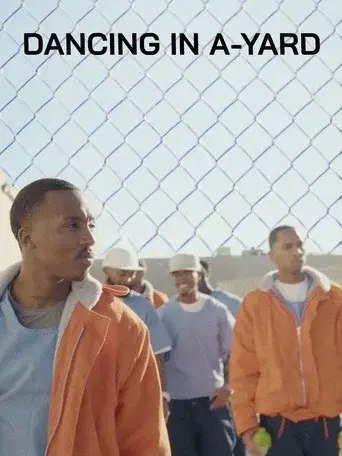
In prisons ruled by toxic masculinity, dancing is an absolute taboo. But at Lancaster’s A-Yard, near Los Angeles, a group of young men, willing to take a chance to be mocked in the yard, start a dance class led by French choreographer Dimitri Chamblas. This class quickly becomes an intoxicating escape from their grim reality so they decide to create a dance show. In this exceptional context, the inmates engage with overwhelming sincerity, evoking their childhood, ganglife, the crimes, the prison, and their desire for transformation. Beyond damaged lives and a prison system on the edge of the abyss, DANCING IN A-YARD explores redemption and the capacity of human beings to reinvent themselves, when given a chance. And more importantly, how art and introspection can help see the light.
Dancing in A-Yard
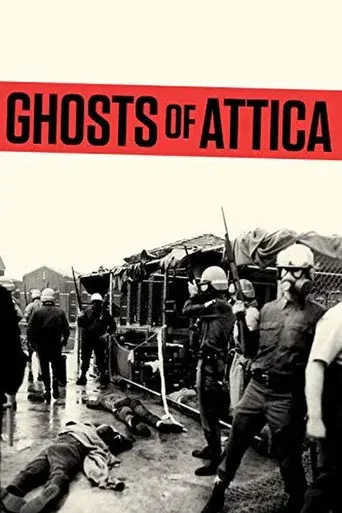
Documentary about Attica prison riot and lawsuits to get compensation for the victims of these events.
Ghosts of Attica

Filmmaker Angelo Madsen Minax returns to his rural Michigan hometown following the death of his infant niece and the subsequent arrest of his brother-in-law as the culprit. Using the audio-visual approaches of essay film, first-person cinema vérité, staged actions, and decades of home movies, Madsen navigates a town steeped in opioid addiction, economic depression, and religious fervor, while using the act of filmmaking to rebuild familial bonds and reimagine justice. Posing empathy as a tool for creating a more just world, North By Current does not seek to investigate a crime, but creates a relentless portrait of an enduring pastoral family, poised to reframe and reimagine narratives about incarceration, addiction, trans embodiment, and ruralness.
North by Current

Aundrey Burno, a black youth looking down the wrong end of a murder charge -- for which a conviction could result in a lifetime in prison -- appears to be the epitome of an unrepentant thug. Speaking to viewers, he claims to have done whatever was necessary to survive on the mean streets, to earn the respect of his criminal peers. But as his case progresses and his younger brother, Kevin, faces the same choices he did -- to become a thug or not -- a very different Aundrey reveals himself.