Martha of the North
Overview
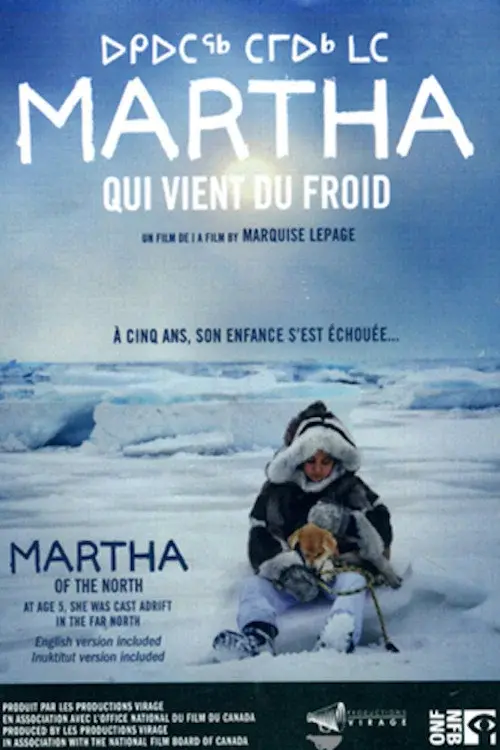
In the mid-1950s, lured by false promises of a better life, Inuit families were displaced by the Canadian government and left to their own devices in the Far North. In this icy desert realm, Martha Flaherty and her family lived through one of Canadian history’s most sombre and little-known episodes.
Key Film Crew
Production Stats
You May Also Like
A young and ambitious team of chefs face the life-changing challenges of competing in the world's most prestigious culinary competition.
Merci Bocuse

Tell Them We Were Here is an inspirational feature-length documentary about eight artists who show us why art is vital to a healthy society and reminds us that we are stronger together.
Tell Them We Were Here

One Saturday morning, filmmaker Madison Thomas has a revelation: she’s just like her mother. As she thinks about a friend going through tough times, she feels the sudden urge to clean. Through the scrubbing and wiping and rinsing, Madison's thoughts drift to her mother — and her obsessive need to tidy. Madison’s mother survived a traumatic childhood: her own mother never reconciled what she went through at residential school. Cleaning offers moments of control that she didn’t have as a child. She’s fought hard, against all odds, to become a strong woman. They say trauma is in the genes, that it’s passed from one generation to the next. But strength is inherited too. Through rituals as simple as spending time together and smudging, Madison and her mother are beginning to mend the cycle of pain in their family. Declutter is an intimate look into a private moment between mother and daughter and the strength that carries them both.
Declutter
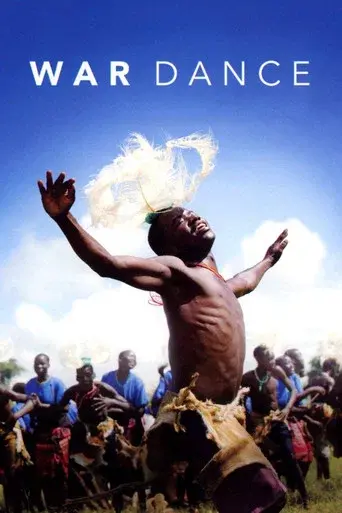
Three children living in a displacement camp in northern Uganda compete in their country's national music and dance festival.
War Dance
A Circle-Vision 360 degree film capturing the sites, sounds, and people of Canada.
Portraits of Canada
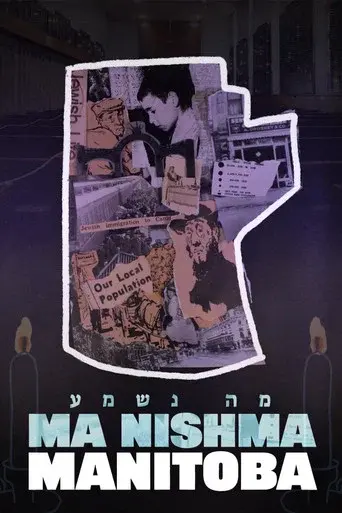
From challah to immigration to the wandering Jew, Ma Nishma Manitoba is a mid-length documentary that explores Manitoban Jewish stories of identity and history. Filmmakers Johanna and Sara put their own experiences in local context by chatting with several Jewish Manitobans, including a rabbi, politician, artist, Israeli immigrant, and others. Archival materials, illustrations, and stop animations connect history with present-day opinions and stories, as Sara and Johanna explore what being Jewish in Manitoba means to them and others.
Ma Nishma Manitoba
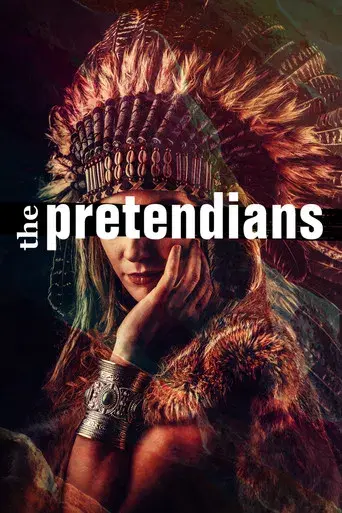
Anishinaabe author Drew Hayden Taylor investigates how — and why — Indigenous identity, culture and art are being appropriated by those who are not First Nations.
The Pretendians

In a contemplative coming of age portrait, PINBALL follows Yosef, a spirited athlete, in Louisville, Kentucky as he dives into the memories of his journey from Iraq to America and what it means to chase his dreams in the shadow of a war that displaced his family from their Iraqi homeland.
PINBALL
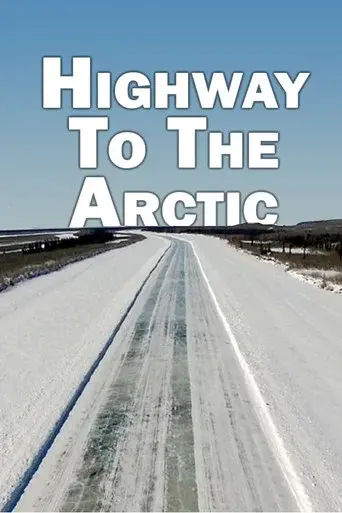
Every winter for decades, the Northwest Territories, in the Canadian Far North, changes its face. While the landscape is covered with snow and lakes of a thick layer of ice, blocking land transport, ice roads are converted to frozen expanses as far as the eye can see.
Highway to the Arctic
In this searing documentary, Indigenous people share heartbreaking stories that reveal the injustices inflicted by the Canadian child welfare system.
For Love
A jetliner spans the miles, sheering through clouds to open sky and scenic vistas of the provinces below. Glimpses of town and country, of people of many ethnic origins, of a resourceful and industrious nation - impressions it would take days and weeks to gather at first hand - are brought to you in this vivid 1800-kilometer panorama.
Trans-Canada Journey
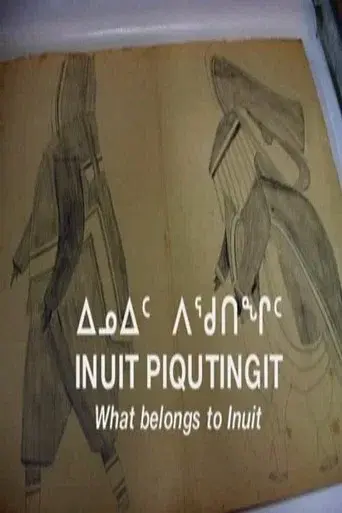
A group of Nunavut elders travel to five museums in North America to see and identify artifacts, tools and clothing collected from their Inuit ancestors. Directed by Zacharias Kunuk and Bernadette Dean.
What Belongs to Inuit

Zacharias Kunuk tackles the subject of the High Arctic Relocation from an Inuit point of view in the documentary Exile. In 1953, Inuit families were forcibly relocated to the uninhabited and inhospitable high arctic, 1500 kilometres north of their traditional homeland of Nunavik, in northern Québec. The goal of the move was to extend Canadian claims of sovereignty to Ellesmere Island. As a result, Inuit people were forced to endure the pain of families torn apart and many years of hardship. With devastating first-person accounts of survival, the trail of broken promises and shameful practices of the government and the RCMP, this powerful documentary captures the long-standing effects of these events from the perspectives of the people who were forced to endure them.
Exile
Qallunajatut (Urban Inuk) follows the lives of three Inuit in Montreal over the course of one hot and humid summer.Only two generations ago Inuit lived in small, nomadic hunting camps scattered across the vast Arctic landscape. Since the 1950s, this traditional lifestyle has undergone an astonishing transition from Stone Age to Information Age, as Inuit first relocated (often by force) to government-run settlements, and, more recently, beyond the settlement into southern cities.