Dream Girls
Overview
This film is about Japanese women, escape, glamour and dreams. The Takarazuka Revue is an enormously successful spectacular where the all-women cast create fantasies of erotic love and sensitive men. It is also a world for young girls desperate to do something different with their lives. In return for living a highly disciplined and reclusive existence, they will be adored and envied by many thousands of Japanese women. They will look, act and behave like young men while having no real men in their lives. Dream Girls explores the nature of sexual identity and the contradictory tensions that face young women in Japan today.
Top Cast

Miki Maya
Self

Anju Mira
self
Key Film Crew
Production Stats
You May Also Like
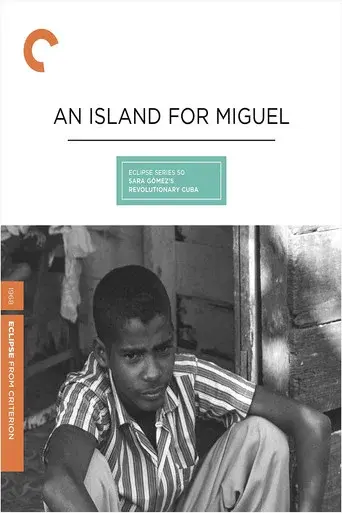
In this film, Sara Gómez documents the everyday life of the Isla de Pinos, the discussions about the problems of construction, the school and the leisure activities of the youth in 1968 and contextualizes these images with Frantz Fanon's thoughts about the construction of a nation through decolonization.
An Island for Miguel


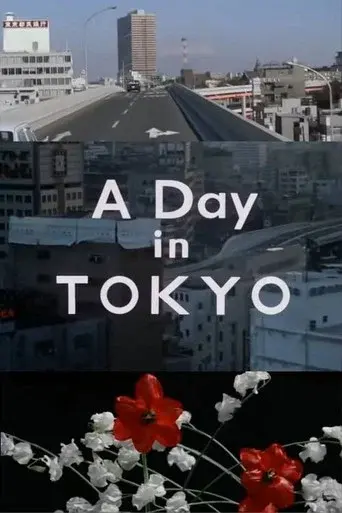
A Day in TOKYO in 1968, Nostalgic bygone era. Planned by Japan National Tourism Organization. Produced by Koga Production. This film was produced to explain Tokyo for foreign tourists.
A Day in Tokyo

Is the story of women that were guerrilleras in Uruguay at the beginning of the 70's. Under an intimate focus, the film shows the moments of decision and the personal crossroads that it involve. The documentary search the experience and the look of common individuals in exceptional situations and goes to the bottom of the load of tensions, fears, contradictions and personal costs that those labor instants of the History have.
Seven Moments

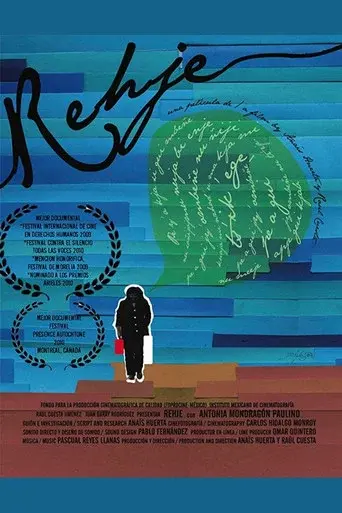
After forty years living in Mexico City, Antonia longs to go back to her home town, a Mazahua village in the state of Mexico. When she returns, she discovers many things, including that a scarcity of water threatens life in her community.
Rehje

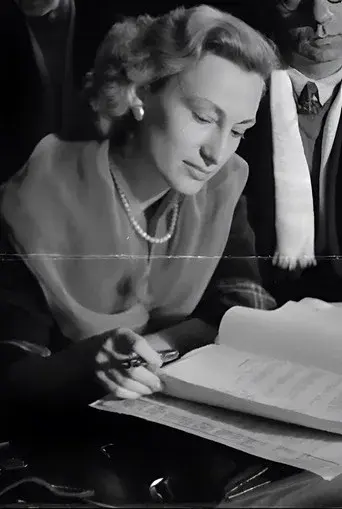
Made on the occasion of March 8, it presents a series of brief portraits of women, from various professional fields, of different ages and even of different ethnicities, pointing out the benefits that the communist organization had brought to their daily lives. A special emphasis is placed on their status as mothers and on the role of nurseries and socialist kindergartens not only in making their lives easier, but also in giving them the time they need to build a career. Another concern of the filmmaker, starting from the concrete case of one of the protagonists, is to highlight the differences between the happy present and the not-too-distant past in which someone with her social status should have dedicated herself exclusively to raising children, in hygienic and extremely difficult lives.
Women of Today

A film about teenagers with growing pains, who discover their own voice and talent through riding and grooming toy horses.
Hobbyhorse Revolution


"Heart of the Country" is the story of Shinichi Yasutomo, the extraordinary principal of a rural elementary school in Kanayama, central Hokkaido, Northern Japan. Yasutomo is a man driven by his vision for learning and his passion for educating the heart as well as the mind. The film follows Yasutomo, his teachers and staff, students and their families over the course of one entire school year. The film is also the story of the families of Kanayama. Parents and elders of this once impoverished town embrace Yasutomo's vision, but not without wary glances back to the past. This small community, bound together by love for its children, is also defined by its journey through the cultural upheavals of postwar Japan.
Heart of the Country

One of the rooms inside the legendary Barba Azul Cabaret has become a shelter for the girls working there: the women's bathroom. Every night La Mami, who's in charge of the bathrooms, offers them the warmth and the advice they need to take on the challenge they face in the dance hall.
La Mami

During the 1977 World Series, Sports Illustrated reporter Melissa Ludtke was denied access to the players' locker room. After a very public fight, the door was opened, but the debate about female journalists in the male sanctum of the clubhouse remained. Through interviews with pioneering female sports writers, Let Them Wear Towels captures the raw behavior, humorous retaliation, angry lawsuits and remarkable resolve that went into the struggle for equal access for women reporters.
Let Them Wear Towels


When filmmaker Will Lautzenheiser's limbs are amputated, his life is derailed and he turns to stand-up comedy as therapy. Meanwhile, a world-famous medical team is performing transplants that restore bodies to unprecedented levels. Despite grave risks, Will agrees to undergo an experimental double-arm transplant in the hope of reclaiming his independence.