Overview
A feature length, lively - montage style - documentary, capturing the essence of what life was like in socialist Hungary - dubbed the "The most cheerful barrack" back then - using contemporary music, interviews, adverts and news footages.
Key Film Crew
Production Stats
You May Also Like

In this intimate portrayal of friendship, patience, and transformation, filmmaker Pierce McCleary follows Buffalebrity drag trio She Lives through a night of convoluted, cross-dressing chaos. Will she ever make it?!
SHE LATE!



Passers-by, those who knew him in his youth, René Barjavel, witness of his beginnings, his wife, his doctor, writers ... By questioning them Michel Polac tries to better understand the troubled personality of Louis-Ferdinand Céline, Notorious anti-Semite and genius writer.
D'un Céline l'autre

Dengbêjên Me is a empathetic documentary about the last living representatives of the Kurdish oral storytelling tradition—the Dengbêjs. The film is dedicated to their lives, their memories, their pain, and their resistance. Their songs and personal stories create a cinematic archive of a cultural heritage that dates back thousands of years. Between voice, music, and silence, a deeply emotional journey unfolds, becoming a farewell, a testimony, and an act of cultural survival.
Dengbêjên Me
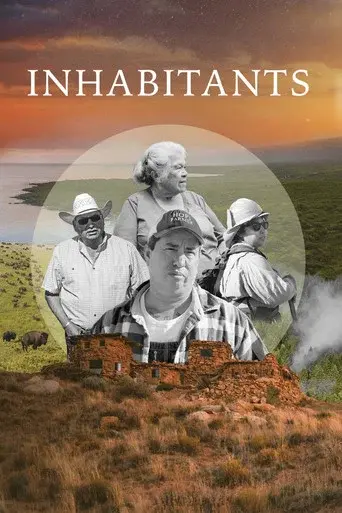
For millennia, Native Americans successfully stewarded and shaped their landscapes, but centuries of colonization have disrupted their ability to maintain their traditional land management practices. From deserts, coastlines, forests, mountains, and prairies, Native communities across the US are restoring their ancient relationships with the land. As the climate crisis escalates these time-tested practices of North America's original inhabitants are becoming increasingly essential in a rapidly changing world.
Inhabitants

A young woman from Barcelona's La Mina neighborhood inquires into the past of the Roma people in this documentary about the persecution of the Roma people.
Sara
In 1975, as America faced social and political upheaval, filmmakers turned chaos into art.
Breakdown: 1975
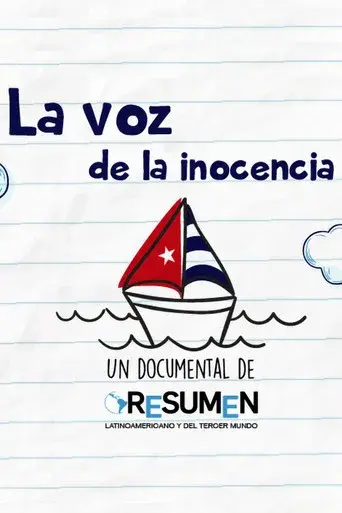
"The Voice of Innocence" is a documentary that shows how, starting in 1959, the Cuban Revolution put into practice a comprehensive and universal policy of safeguarding the rights of the child, even under the multiple difficulties resulting from the economic, commercial and financial blockade imposed by the United States more than six decades ago. Cuba is one of the main signatories of the Convention on the Rights of the Child, signed on 20 November 1989, when the country had already made extraordinary progress in protecting the rights of the child, in comparison to developed countries, such as the United States, which as of today hasn't yet ratified the Convention.
The Voice of Innocence

The story of Nisar Ahmed Khan, told through his children and the people he served, a spiritual guide whose followers still visit his tomb on his birth and death anniversaries. And alongside how his family spends a few days at the village keeping his traditions alive.
Ghuza da Sher
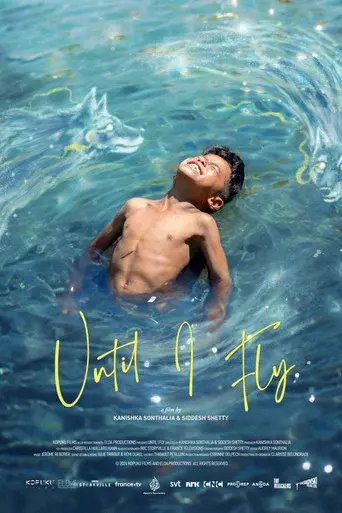
A charismatic Indian-Nepali boy, lives a bohemian life in a remote Himalayan village. As he transitions from childhood to teenagehood, his poetic journey of perseverance echoes issues that span across ages and communities.