

The Back-breaking Leaf
Overview
Here is a graphic picture of the tobacco harvest in southwestern Ontario. At the end of July, transient field workers move in for a brief bonanza when the plant is ripe. The tobacco harvesters call it "the back-breaking leaf."
Top Cast

Stanley Jackson
Commentary
Key Film Crew
Production Stats
You May Also Like

“Where the North Begins” was one of the 4 original regional portrait films commissioned for the first season of Ontario Place (the others being "North of Superior" (IMAX), "Seasons in the Mind" (70mm), and "Home By The Waters" (35mm anamorphic). The film was directed by David MacKay who was the producer for "A Place to Stand" and then directed "Ontario-oh!". Although "Where The North Begins" was commissioned by the Ontario government, Dave's subversive and wicked sense of irony does come shining through, as does his heartfelt beliefs.
Where the North Begins
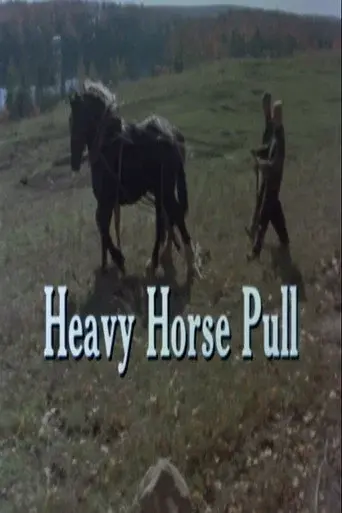
This short documentary offers a humorous look at horse-pulling contests in Ontario and the people who prepare for them. We travel from the farm to the contest, where excitement runs high and the quips do not lack in local colour. Which of these magnificent creatures will be able to pull the heaviest load and win the prize?
Heavy Horse Pull
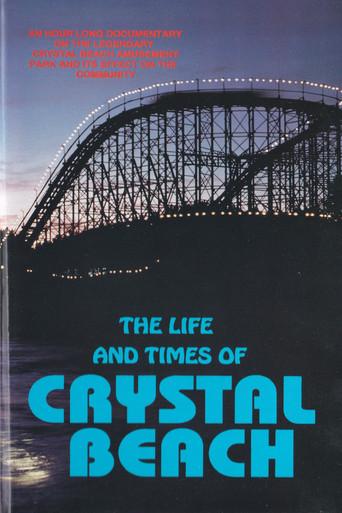

Joyce Jonathan Crone—Mohawk matriarch, retired teacher, activist, humanitarian—reaches forward into her community of Huntsville, Ontario, opening hearts and bridging gaps for Indigenous education.
Red Girl Rising

A portrait film of Eastern Ontario directed by Peter Pearson who’s films include the award winner’s like “The Best Damn Fiddler from Calabogie to Kaladar" (1968) and the classic Canadian feature film, "Paperback Hero" (1973). "Seasons in the Mind" includes a talent show section set in Arnprior, Ontario.
Seasons in the Mind

John Lowry's 1971 Ontario travelogue "Home by the Waters" (featuring a haunting theme song by Tommy Ambrose) was shown at the IMAX Cinesphere in Ontario Place for a short time in September of 1971.
Home by the Waters
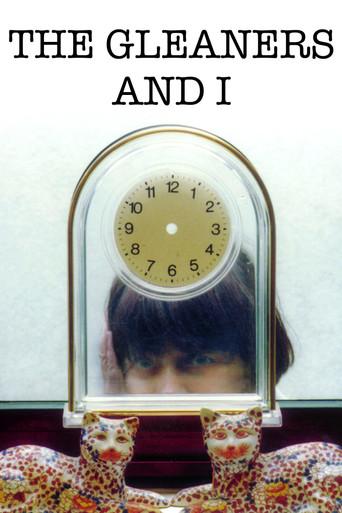
Varda focuses her eye on gleaners: those who scour already-reaped fields for the odd potato or turnip. Her investigation leads from forgotten corners of the French countryside to off-hours at the green markets of Paris, following those who insist on finding a use for that which society has cast off, whether out of necessity or activism.
The Gleaners and I

Summer unveils a new blueberry season in northern Canada. The fields are covered in blue and workers from all over scramble before the frost puts an end to the harvest. And yet this time of year is much more than just picking: it's a time of music and connection.
The Blueberry Blues
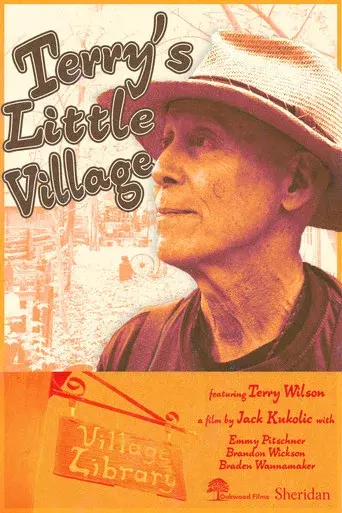
Terry Wilson is a 70-year-old lifelong resident of Meadowvale Village, Ontario's first heritage district. As development looms and begins to destroy Terry's favourite place in the world, he recreates pieces of history in his backyard, crafting an oasis where it feels like nothing has changed. A beautiful tribute to his childhood, his mother, and his town, Terry passionately fights to preserve history in a world that's too anxious for change.
Terry's Little Village

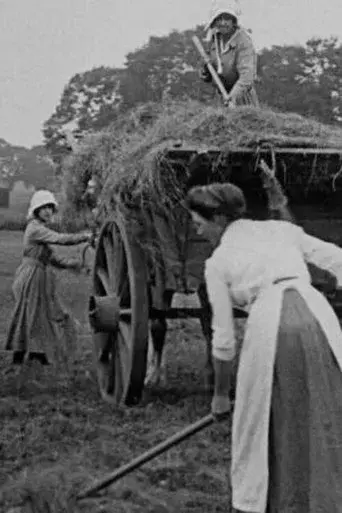
Picturesque scenes of land girls gathering hay on an Essex farm during WWI.
Women Hay Makers

When Jennifer Pan calls 911 to report that her parents have been shot, she becomes the primary focus of a captivating criminal case.
What Jennifer Did

This feature documentary offers a behind-the-scenes look at political decision-making in Ontario, the most populated Canadian province. A candid study of Ontario Premier Bill Davis and his Cabinet profiles the political process—a daily round of committee meetings, budget tabling, and media relations initiatives. Born into a political dynasty, Davis has the power and resources of the “big blue machine” behind him as he initiates political manoeuvres that tackle everything from unemployment to provincial-federal relations. The film reveals key aspects of Davis's political philosophy, one that kept the Conservatives in power in Ontario for 36 consecutive years.
The Art of the Possible

2020 marks 100 years since the birth of Federico Fellini, the most prominent Italian director and one of the symbols of the insuperable cinematic heyday of mid-20th century. Fellini had always been a mysterious director, not only in his cryptic symbolism but also in his idiosyncratic, excessive mixture of psychoanalysis, Catholicism and faith in the mysterious. In this documentary, his relationship with the paranormal, luck and fate, alongside the coexistence of organized discourse and transcendence to the imaginary, is examined via friends, collaborators and distinguished fans (Friedkin, Gilliam, Chazelle). A great testimony to why rationalists and ideologists have a hard time with his work, ‘Fellini and the Spirits’ is an appropriate yet unexpected tribute.