

Dias de Greve
Overview
The struggle of a small group of blacksmiths trapped between keeping a long going strike with claims for better fees and the necessity of getting back to work when there's no money left for basic necessities.
Top Cast

Wellington Abreu
Assis
Edimilson Braga
Edvaldo
Dilmar Durães
Marcelão
Elias Cardoso
Zé Tonho
Carlos Alberto
Damião
Humberto Pedrancini
Batista
João Break
Zé Carlos
Marlete Fernandes
Sílvia
Antonia Maria
Marta
Kleberson
Pedrinho
Key Film Crew
Production Stats
You May Also Like
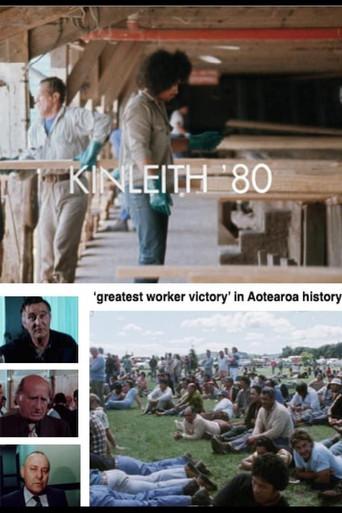
Covers the 12-week-long strike at Kinleith Pulp and Paper Mill, owned by New Zealand Forest Products in January 1980.
Kinleith '80

La Califfa's husband was killed during the strikes so she takes the side of the strikers. Her conflict with the plant owner Doverdo gradually turns into a love relationship.
Lady Caliph

An explosion in one of the largest chemical plants in Europe, the Petrochemical complex in Tarragona, triggers the labour struggle of a group of workers who demand what is fair for everyone.
In Spite of Ourselves


A specialist nurse is given responsibility for a baby boy with a serious heart condition in the middle of nurses’ strike. She is left balancing between her own family, the baby boy and her loyalty for nurses’ cause.
Blue Baby

‘VIGO 1972’ narrates the events which took place in Vigo in September 1972, when the firing of five Citröen auto workers resulted in the largest general strike in the history of Galicia — with over thirty thousand workers — all of this during the Franco dictatorship in Spain.
Vigo 1972
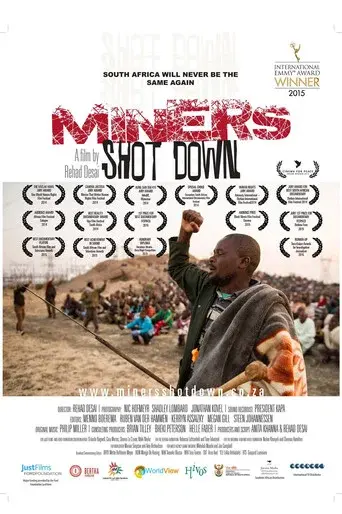
In August 2012, mineworkers in one of South Africa’s biggest platinum mines began a wildcat strike for better wages. Six days later the police used live ammunition to brutally suppress the strike, killing 34 and injuring many more. Using the point of view of the Marikana miners, Miners Shot Down follows the strike from day one, showing the courageous but isolated fight waged by a group of low-paid workers against the combined forces of the mining company Lonmin, the ANC government and their allies in the National Union of Mineworkers.
Miners Shot Down


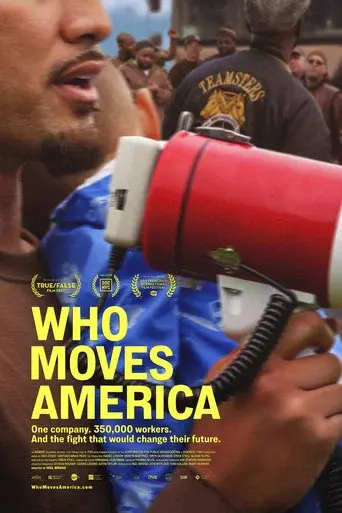
Across America, UPS workers come together to demand better working conditions as they go about criss-crossing the world, delivering packages and connecting lives.
Who Moves America
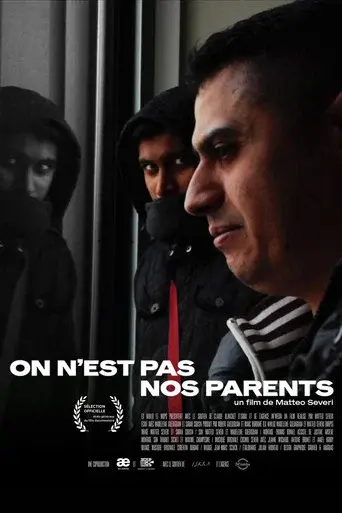
Reserved by Citroën for immigrant workers, the Aulnay-sous-Bois factory experienced its first strike in 1982. Thirty years later, it's the turn of a new generation to join the fight. Worthy heirs of their parents, the workers revive a forgotten memory and offer a unique perspective on the history of contemporary France. Matteo Severi's film mirrors these two social struggles, led by workers from immigrant backgrounds.
We Are Not Our Parents

In the late 19th century, a former high school teacher turned unionist tries to organize workers laboring with inhuman conditions at a textile factory in Turin, Italy.
The Organizer

A re-edited version of the fourth episode of Intolerance (1916); two youth are made homeless by a strike, and struggle valiantly to survive their desolate situation, which worsens as reform-minded citizens remove the couple's child from their care and the young father is falsely accused and convicted of murder.
The Mother and the Law

Workers in a factory in pre-revolutionary Russia go on strike and are met by violent suppression.
Strike


Anna and Joe are newly married, playful and deeply in love. Joe is scraping by as cab driver in New York City during a period of corruption, mob control and violence between cab companies.
Big City

Working with children led Barskaya to create superb direct sound and an inspired style of shooting. Don’t look for conventional cinematic syntax here. The film is chaotic in the way that Soviet films still knew how to be, and Langlois couldn’t help but be seduced by its rebellious spirit, its anarchy and love of children, comparable to Vigo’s Zero de conduite. As well as being a film made with and for children, it offers a complex take on Western society. Pre-Nazi Germany is not named as such but is carefully reconstructed, possibly under advice from Karl Radek, and children offer a playful reflection of class struggle – doubly excluded, as proletarians and as minors. “They play in the same way that they live”, one intertitle says. The interaction between their comical games and the yet more ludicrous ones played by adults is developed on several levels.