

All This Can Happen
Overview
A flickering dance of intriguing imagery brings to light the possibilities of ordinary movements from the everyday which appear, evolve and freeze before your eyes. Made entirely from archive photographs and footage from the earliest days of moving image, All This Can Happen (2012) follows the footsteps of the protagonist from the short story 'The Walk' by Robert Walser. Juxtapositions, different speeds and split frame techniques convey the walker's state of mind as he encounters a world of hilarity, despair and ceaseless variety.
Top Cast
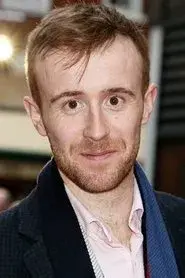
John Heffernan
Narrator
Key Film Crew
Production Stats
You May Also Like
Benjamín trips to the south of Chile with his family and shots a visual letter to deceased filmmaker Raúl Ruiz.
A Letter For Raoul Ruiz

In the dressing room of the French cinema, minutes before attending a lecture, François Truffaut recalls his trajectory
O Cinema é Minha Vida
Berkay Özdinç turns the ghost hotel into a protagonist, which conduces to the meeting of his parents and is thus associated with his existence. In the film which goes over the places, while wandering in the current state of the hotel, he reawakens the memory of the place with his parents’ narration.
Sandes
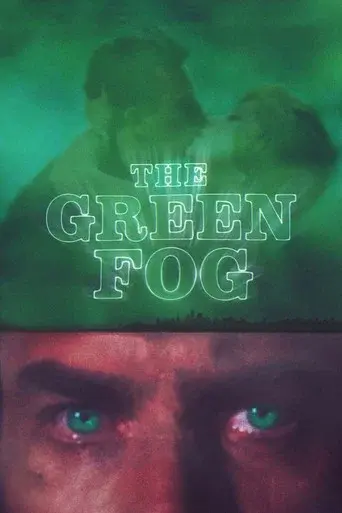
A tribute to a fascinating film shot by Alfred Hitchcock in 1958, starring James Stewart and Kim Novak, and to the city of San Francisco, California, where the magic was created; but also a challenge: how to pay homage to a masterpiece without using its footage; how to do it simply by gathering images from various sources, all of them haunted by the curse of a mysterious green fog that seems to cause irrepressible vertigo…
The Green Fog
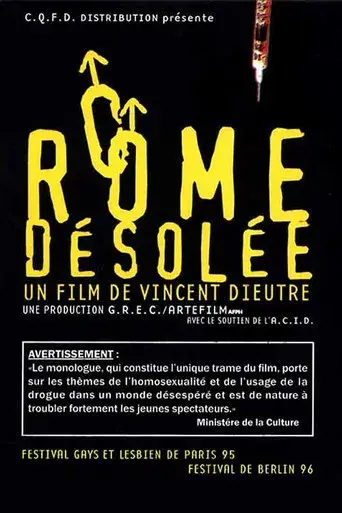
Chronicles of a male homosexual drug addict in 1980's in voice-over with long take scenes from Rome, television snippets of news of Gulf War and commercials.
Desolate Rome
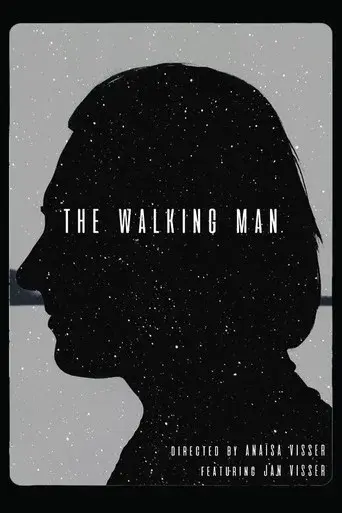
The Walking Man follows an 82-year-old man with a passion for the cosmos who has walked the equivalent of the Earth's circumference nearly four times.
The Walking Man
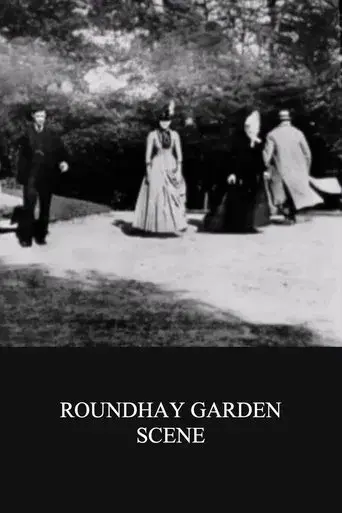
The earliest surviving motion-picture film, and believed to be one of the very first moving images ever created, was shot by Louis Aimé Augustin Le Prince using the LPCCP Type-1 MkII single-lens camera. It was taken on paper-based photographic film in the garden of Oakwood Grange, the Whitley family house in Roundhay, Leeds, West Riding of Yorkshire (UK), on 14 October 1888. The film shows Adolphe Le Prince (Le Prince’s son), Mrs. Sarah Whitley (Le Prince’s mother-in-law), Joseph Whitley, and Miss Harriet Hartley walking around in circles, laughing to themselves, and staying within the area framed by the camera. Roundhay Garden Scene is often associated with a recording speed of around 12 frames per second and runs for about 2 to 3 seconds.
Roundhay Garden Scene
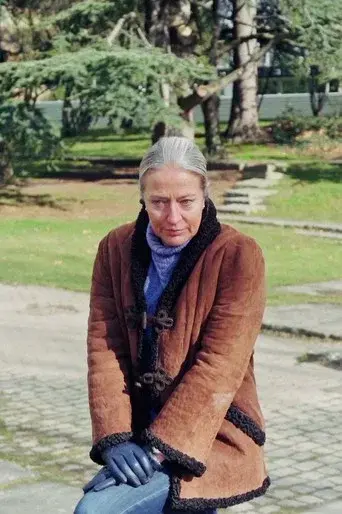
With noise-canceling headphones, they communicate with an inaudible counterpart. Decoupled, they move around the room and meet their surroundings. Intimate stories and needs are discussed. The personal blends into a shared portrait.
Taube Feuer

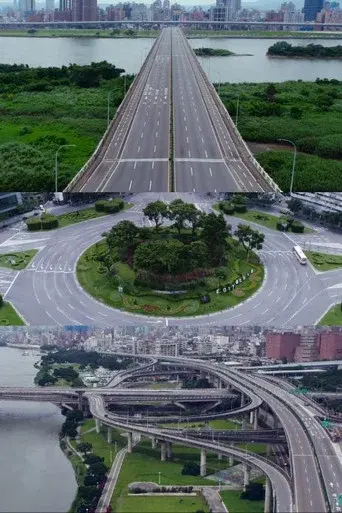
Everyday Maneuver is a video that presents the viewer with an unrealistic scenery. Shot from a drone, it shows a city at daytime, but there isn't a single human being in it. What seems disconnected from everyday life, and as artificial as a landscape created with computer graphics, is in fact a recording that was made during one of the annual "Wanan Air Raid Drills" that have been implemented in Taiwan since 1978.
Everyday Maneuver
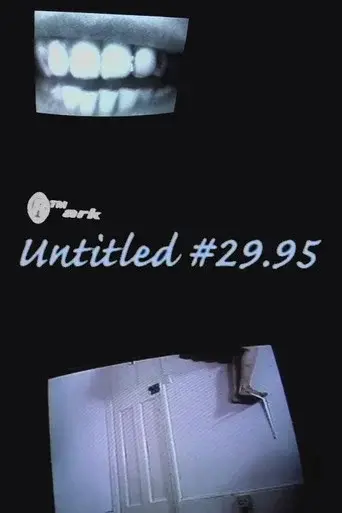
Originally produced anonymously and distributed by RTMark, Untitled #29.95 tells the story of the commercial art establishment's attempt to turn video art into a precious commodified object through the release of limited editions during the nineties.
Untitled #29.95
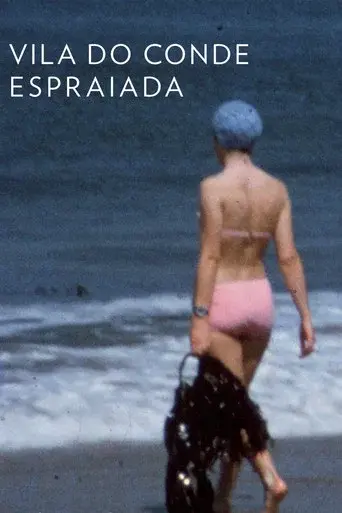
A boy from Vila do Conde records a love letter on a cassette. His voice blends with music, archive images and stories from the past, some lived and others heard.
Vila do Conde Extended
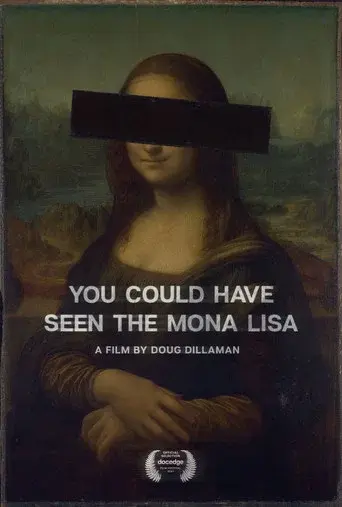
"A l likeness is a gift... it avoids... or confuses time if your prefer." said John Berger. Following this premise, 81.92 is a structuralist inquiry into the notion of presence and absence as it reveals archival radio broadcasts from former Montreal radio host Mike Wolkow. The former (the audible) is left invisible while the later (the visible) seeks to find the missing elements that trace the passage of this vocal presence. Past and present interplay in this piece that shifts between epochs, thus mimicking a radio signal that is being tuned in.
81.92

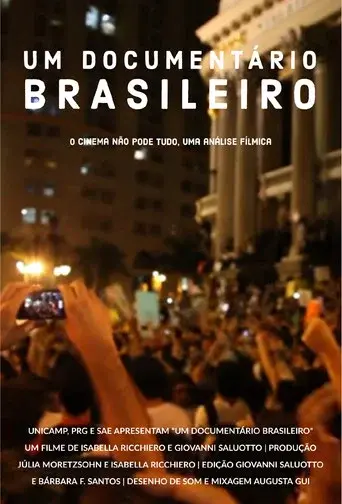

The film unfolds an atmospheric symphony of violence over Beirut, revealing the haunting fusion of incessant Israeli military flights and the hum of generators during blackouts. This 45-minute video essay plunges viewers into a chilling chronicle of daily life transformed by the weaponization of the air, where the terror of repeated incursions becomes a disconcertingly banal backdrop.