
Key Film Crew
Production Stats
You May Also Like
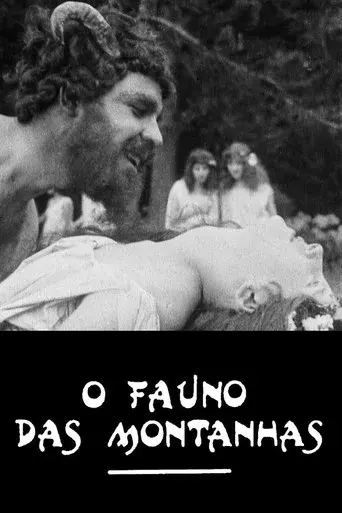
This film is the pearl of his pioneer work in Madeira Island and captures the most of his methodology: good stories taking the most of Madeira's natural scenery, and provoking the audience with some ironic and "double-sense" scenes. The film tells the story of an English girl travelling with her father, a botanic, and a guide from madeira in the deep mountains of the island. The girl has some mental disturbs and is always scaring about an attack from the native man, appearing as a half-man/half-monster.
O Fauno das Montanhas
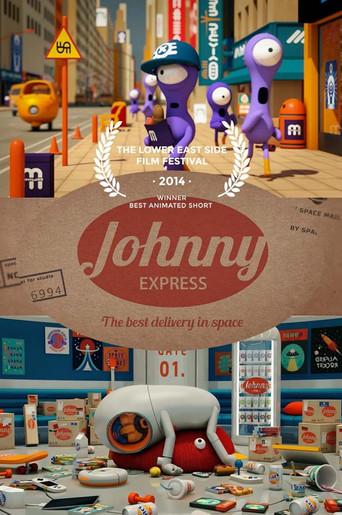
In the year 2150, Johnny, a lazy Space Delivery Man, must deliver a package on a planet he does not fully understand.
Johnny Express
This is a film about a man without a face. His arms and legs, bound with ropes, the disabled man is still without even a shudder in a white room. A series of unusual scenes in this room expresses what lies between memories, nightmares, and violent images.
Zone

Enter Hamlet is a collage of images in cartoon form of a word put in balloon in each jump-cut scene as that word is said by the narrator Maurice Evans during his “To be or not to be…” soliloquy recording.
Enter Hamlet
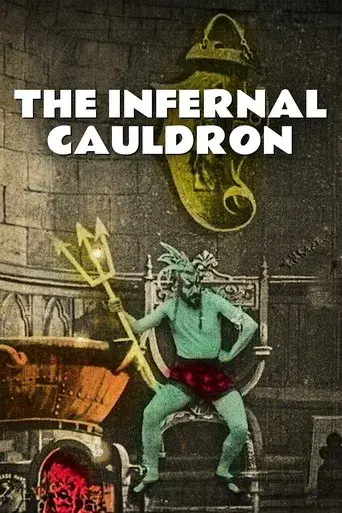
A green-skinned demon places a woman and two courtiers into a flaming cauldron.
The Infernal Cauldron
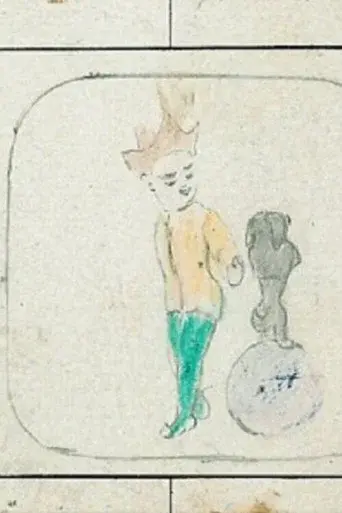
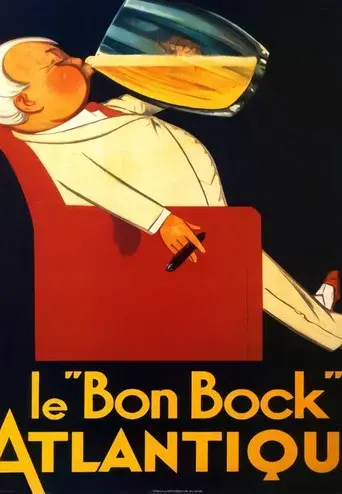
One of the first animated short films. A wanderer enters a cabaret in the countryside and asks a waitress for a beer. She comes back with a pint, as the wanderer begins to court her. However, the kitchen boy comes, drinks the beer and vanishes. The wanderer, misunderstanding, asks for another beer. Then a traveler enters and has an argument with the wandered. During the argument, the kitchen boy appears, sips the second beer and runs away. As the traveler quits, the customer finds his glass empty again. He calls the waitress, expresses his disappointment and leaves. The kitchen boy comes in and explains to the waitress what he did with the two beers. They make fun together of the wanderer and leave. A lost film.
A Good Beer
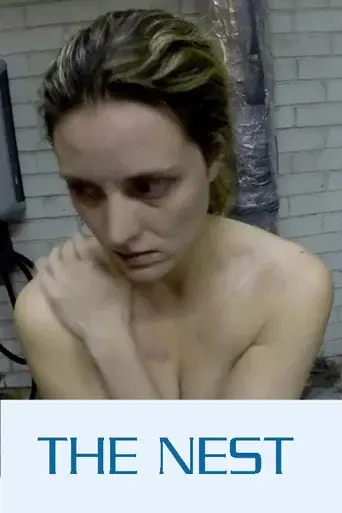
One of the two earliest horror films ever made. This film is presumed lost. In this black comedy scene, the bottom falls out of a coffin, the corpse tumble out, and is jolted back to life. Short sequences like this, as well as street scenes and dancing geisha girls were the main subjects of early Nippon cinema, pioneered by Shiro Asano and Shibata Tsunekichi from 1897 onwards. In creating dramatic, scenes, film-makers naturally chose the most striking or bizarre. Another undocumented film, recalled by cameraman Shiro Asano.
Resurrection of a Corpse
A sinister montage intimates the hellish void facing a man emptying bottles by the river. Sandy Fisher’s densely reverberating electronic score provides strong support for Lloyd Williams’ cultic collage of skulls, chess boards and fire.
Opus #5
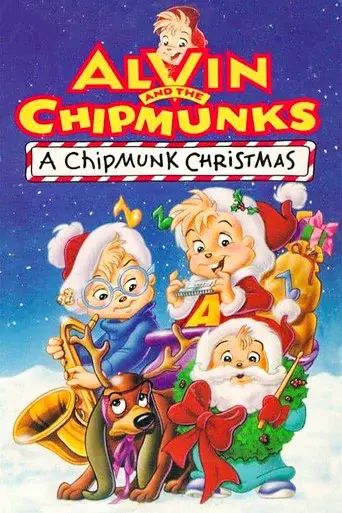
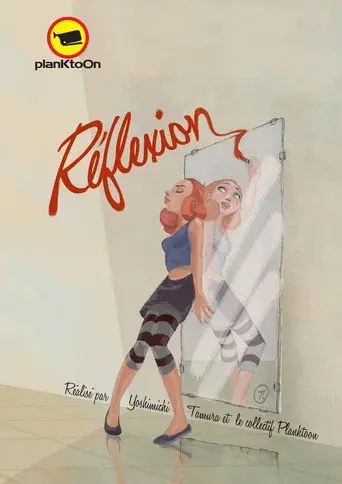
A Pop Art extravaganza by Fred Mogubgub from the late-1960s, innovative in the use of the quick cut, this film is a parade of pop icons of its time. Features a pre-Playboy, pre-N. O. W. Gloria Steinem.
The Pop Show
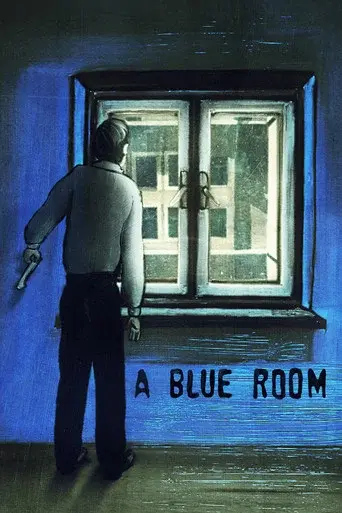
A man wakes up in a blue room. He's stuck and he can't escape. A window is his only connection to the outer world. It filters the reality in a very mysterious way.
A Blue Room
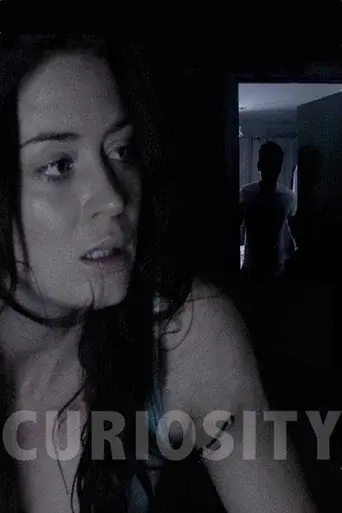
On a quiet night, a young couple find themselves caught up in a nightmarish ordeal after they witness a murderer disposing of a body in this claustrophobic thriller.
Curiosity
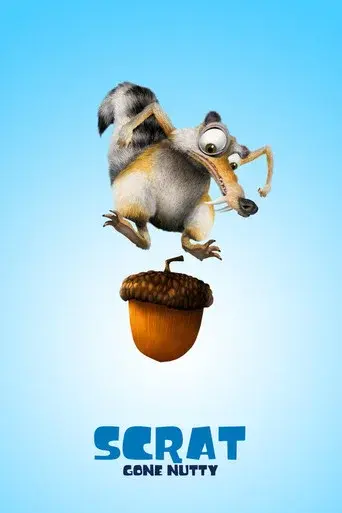
Scrat tries to finish his rather large collection of acorns when things start going nutty.
Gone Nutty
During a game of hide and seek, a new bride hides in a chest and remains undiscovered until a strange visitation thirty years later.
The Mistletoe Bough
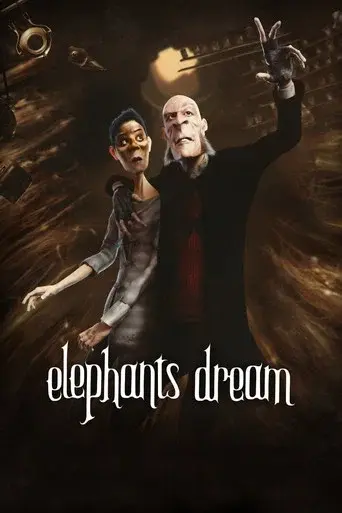
Elephants Dream is the story of two strange characters exploring a capricious and seemingly infinite machine. The elder, Proog, acts as a tour-guide and protector, happily showing off the sights and dangers of the machine to his initially curious but increasingly skeptical protege Emo. As their journey unfolds we discover signs that the machine is not all Proog thinks it is, and his guiding takes on a more desperate aspect. Elephants Dream is a story about communication and fiction, made purposefully open-ended as the world’s first 3D animated “Open movie”. The film itself is released under the Creative Commons license, along with the entirety of the production files used to make it (roughly 7 Gigabytes of data). The software used to make the movie is the free/open source animation suite Blender along with other open source software, thus allowing the movie to be remade, remixed and re-purposed with only a computer and the data on the DVD or download.