
Overview
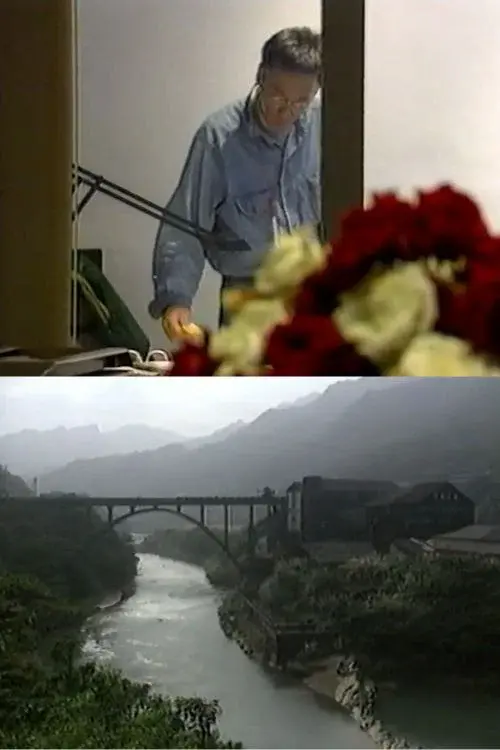
The film deals with the rights of Japanese-Koreans -born in Japan but without Japanese passport or nationality- and the social rejection that they face if they don’t integrate completely, abandoning their Korean identity. The film’s main thread is the story of a Korean man, who in the times of the Japanese occupation of the Korean peninsula, is sent to Japan to fight along with the Japanese in the Philippines, but after the war and fearing discrimination, creates a Japanese identity for himself and manages to get married and have children without his family ever knowing about his origins for 50 years until he is arrested in 1985 for forging official documents and in suspicion of being a spy from North Korea. (…) © timegoesbyin.wordpress.com/tag/i-wanted-to-be-japanese
Key Film Crew
Production Stats
You May Also Like
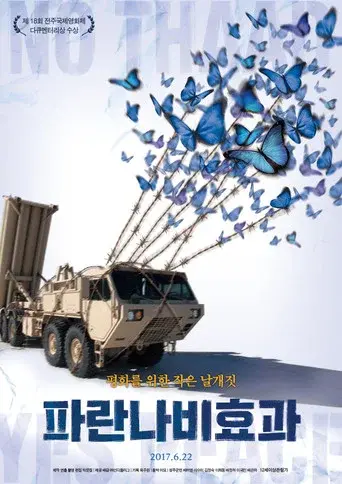
The small county of Seongju staged protests against the THAAD. Young mothers led protests from concerns about their kids and the exposure to radiation. Gradually, they learn the system is faulty.
Blue Butterfly Effect

During the Japanese occupation period, Koreans were forced to deport or drafted to work in other countries. Now 150 years passed, it appears around 7million of those people and their families are spread in 170 countries. There, a world-famous Korean-Japanese musician Yang Bang Ean follows the pathways of Korean diasporas as an inspiration, and performs his cross over music concert called ‘ARIRANG ROAD’.
Diaspora: Arirang Road

A man’s journey to learn the story of his estranged father, a failed hitman killed several years ago. A man's journey to face the scattered members of his dysfunctional family and understand the life of his absent father, a failed hit man murdered years ago in a Mexican border town. While the story of the father takes shape, each family member comments on the behavioral patterns that influenced his criminal actions.
Comala

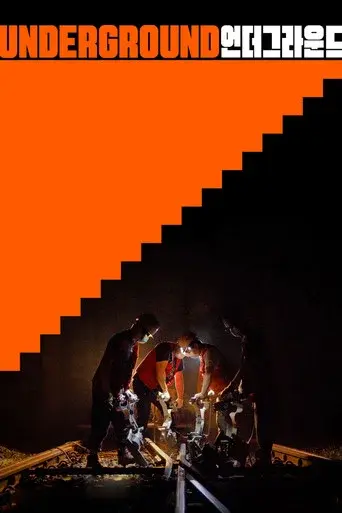
Numerous people are on subway trains running up and down the city center endlessly. There are people who run this decent space “underground”. Under the noisy world today, we approach them to see what life is like underground.
Underground

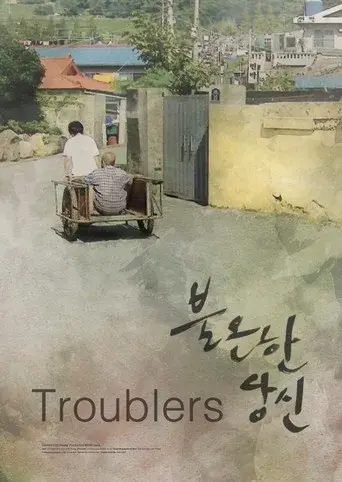
I, a lesbian filmmaker, encounter people yelling at me to disappear from this world. It is a time of hatred in South Korea. LGBTQ people are the easy targets for hatred. In searching for what makes a marginalized life livable, I embark upon a journey. I encounter a double life of Lee Muk, a 70-year-old Korean “Mr. Pants” and precarious lives of a Japanese lesbian couple, Ten and Non, after 3/11. As an ever-growing number of citizens are becoming the targets of 'witch-hunting' in Korea, true faces of the haters slowly begin to unfold.
Troublers
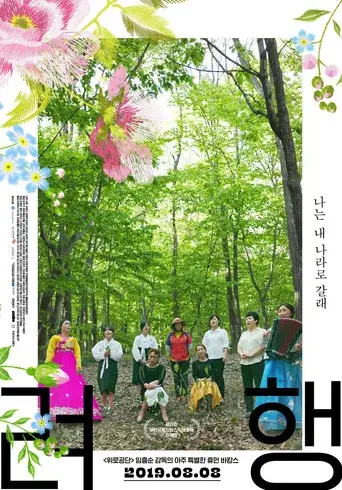
A group of women climbs a summer mountain situated in South Korea. They are refugees who have settled into South Korean society after fleeing from North Korea. For them, climbing the mountains has been an unavoidable journey for survival - a matter of life and death.
Ryeohaeng


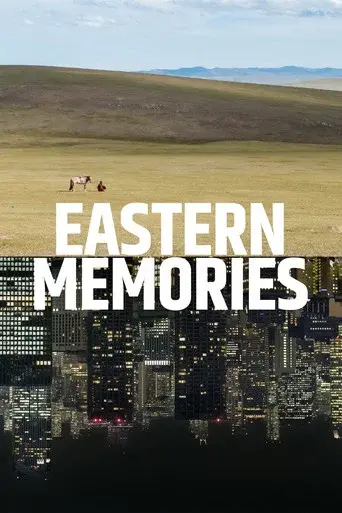
At the turn of the 19th and 20th century Finnish philologist G. J. Ramstedt travelled around Mongolia and Central-Asia. In this documentary Ramstedt’s memoirs are heard in the modern day setting, where tradition is replaced with hunger for money, and deserts give way to cities.
Eastern Memories
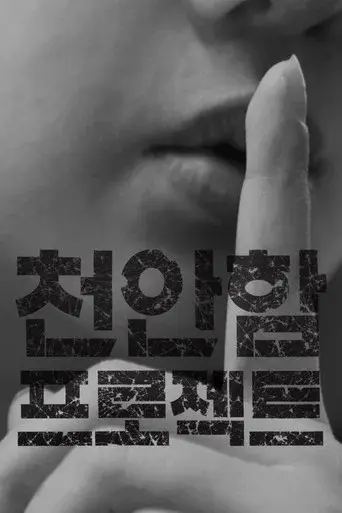
Interpreting an event of ROKS Cheonan corvette, torpedoed and sunken by North Korea, this documentary rebuilds the event with a different insight. No one can tell if the investigation of Cheonan has reached compelling conclusion. But the film tells and reveals how unreasonable Korean society is.
Project Cheonan Ship

Eunmi, a woman who underwent intense anti-communist education while she grew up in South Korea, lives a normal life in America. However, after going on a trip to North Korea with her husband, her life begins to change. During an open forum event in South Korea, where she was invited to speak, she suffers the unimaginable, and the more she tries to escape from the situation, the worse and worse it gets.
To Kill Alice


A detailed military history of the Korean War and preceding events, from 1945 to 1953.
Battle for Korea

Jeju-do is the largest of Korean islands and lies between Korea and Japan. There, for hundreds of years, women dive without breathing apparatus, to the ocean floor and collect shellfish, octopus, and urchins that they sell. The divers are in their sixties and seventies and their daughters do not want to inherit their work, lifestyle, and health problems that go with diving. As a filmmaker I was privileged to meet many of these women and dive with them. Their stories of hardship and pride confirmed my desire to record this unique and ancient tradition.