

Overview
Jettingen Germany is home to Ludo Fact, one of the world's largest manufacturers of board and card games. This documentary shows how a board game makes the leap from an idea to your table. You'll see every aspect of the manufacturing process: the technology and machines, the many detailed steps, and the hundreds of people that are involved in the production of a single game. Mostly, we hope the film gives you a greater appreciation of the time, effort and investment that goes into every quality board game that makes it to the marketplace and your home. The business of fun requires a lot of hard work!
Key Film Crew
Production Stats
You May Also Like


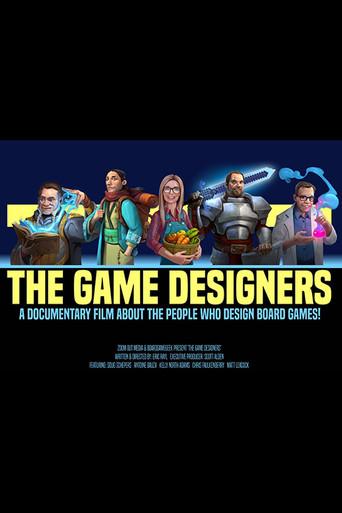
Board games are exploding in popularity. With scores of players, huge conventions, countless media outlets, and thousands of games coming out each year, the board game industry is truly a global phenomenon. But who makes all of the games that fuel this industry? And how are all of these games designed, developed, and eventually released to the public? The answer is found in The Game Designers!
The Game Designers

Le chant du Styrène is a 1958 French documentary film directed by Alain Resnais. The film was an order by French industrial group Pechiney to highlight the merits of plastics.
The Song of Styrene

A deep dive into the world of the thriving board game industry and the creators behind popular games.
Gamemaster
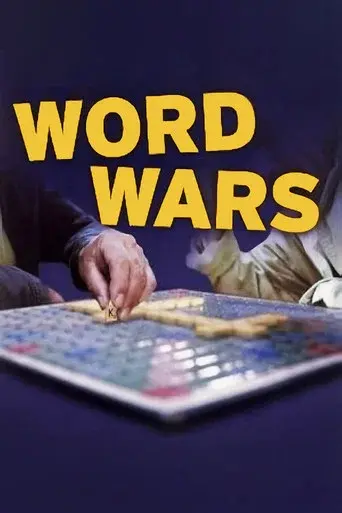
The classic board game, Scrabble, has been popular for decades. In addition, there are fanatics who devote heart and soul to this game to the expense of everything else. This film profiles a group of these enthusiasts as they converge for a Scrabble convention where the word game is almost a bloodsport.
Word Wars


This short documentary follows the fortunes of iconic car manufacturer Lotus. Once famous for its championship-winning race cars and iconic sports cars, Lotus has struggled to remain in profit. A new investor and managing director set out to build the first new Lotus road cars in over a decade: their final petrol-powered car Emira and their first pure electric British hypercar, the 2000bhp Evija.
Lotus: A New Dawn

This documentary film follows for 22 years a nine-member family involved in the manufacturing of Udon in the Goto Islands, Nagasaki prefecture. Mr. Toru Inuzuka called by nickname "Tora-san" is making famous 'Goto Udon' and natural salt on the island on which the depopulation is progressing. Seven children get up at 5 o'clock every morning, helping to make udon, and go to school. Children's help is recorded on the time card, and it is pocket money for children. The film talks about children's growth, marriage, childbirth, homecoming, and parting. The 22 years of familiarity of the family is drawn.
Tora-San of Goto
With humor, chutzpah and a piece of vinyl siding firmly in hand, Peabody Award-winning filmmaker Judith Helfand and co-director and award-winning cinematographer Daniel B. Gold set out in search of the truth about polyvinyl chloride (PVC), America's most popular plastic. From Long Island to Louisiana to Italy, they unearth the facts about PVC and its effects on human health and the environment.
Blue Vinyl

Documenting the production of kerosene tins and their reuse in rural India, this early short by Bimal Roy observes industrial labor and everyday life with a restrained, humanist perspective.
Tins for India


Shows the interdependence of all workers, jobs, and mechanization in the manufacturing process from raw materials to finished product, focusing on the car industry, and argues that this leads to greater personal independence and freedom.
American Harvest

In the 1800s, brickmaking was one of the largest manufacturing industries in Australia. Hoffman's Brickworks in Brunswick, Victoria, was a leader of this industry, running for 133 years and fostering a strong union. Indeed Hoffman's was the birthplace of the Brickmaker's Union in Victoria. In this film, director Grant Hobson covers the final week of operation of this historic site, in December 1993. He interviews the union representatives and the close family of workers, some of whom he is able to reunite in May 2010 on the site. It is a nostalgic reflection on the heyday and demise of brickmaking in Victoria, as well as capturing the colourful personalities that illustrate the post-war migrant experience in relation to work and settling in Melbourne.