

La propia gente
Overview
This documentary is comprised of three shorts: 'El Afinque de Marín' that follows the musicians of the group Madera. 'Yo hablo a Caracas' about an indigenous leader and his reply to the authorities of the venezuelan goverment regarding the violations towards his people and finally 'Mayami Nuestro' chronicles the relationship of venezuelans during the eighties with the city of Miami.
Key Film Crew
Production Stats
You May Also Like



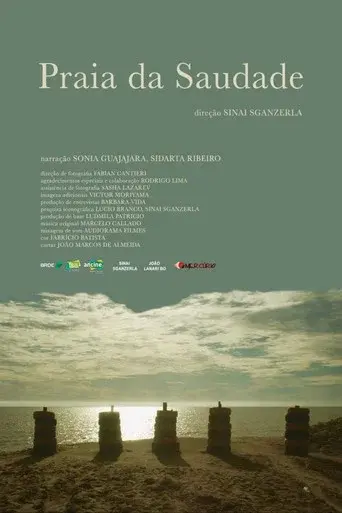
A documentary about climate change in Brazil, especially at Atafona Beach (in the Campos de Goytacazes region), which is being swallowed up by the sea. Narrated by Sonia Guajajara and Sidarta Ribeiro, the film deals with the genocide of the native people of Goytacazes.
Praia da Saudade

Filmed on location in Saskatchewan from the Qu'Appelle Valley to Hudson Bay, the documentary traces the filmmaker's quest for her Native foremothers in spite of the reluctance to speak about Native roots on the part of her relatives. The film articulates Métis women's experience with racism in both current and historical context, and examines the forces that pushed them into the shadows.
Women in the Shadows
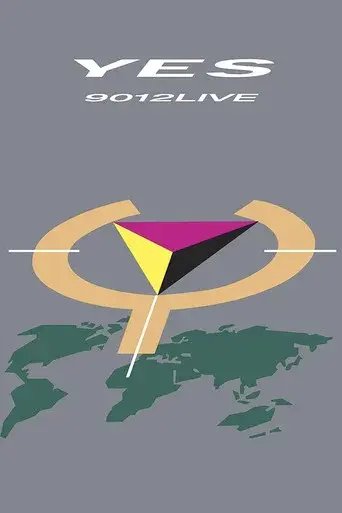
The YES line-up of Jon Anderson, Chris Squire, Trevor Rabin, Alan White and Tony Kaye perform highlights from their 1985 tour - "Introduction," "Cinema," "Leave It," "Hold On," "I've Seen All Good People," "Changes," "Owner of a Lonely Heart," "It Can Happen," "City of Love," and "Starship Trooper" in a landmark concert.
Yes - 9012Live

Samuel Grey Horse, an Indigenous equestrian from Austin, Texas, is known for rescuing horses from being put down. After a riding accident lands him in a coma, Grey Horse experiences an afterlife vision that changes his perspective on the world and his place in it.
Grey Horse
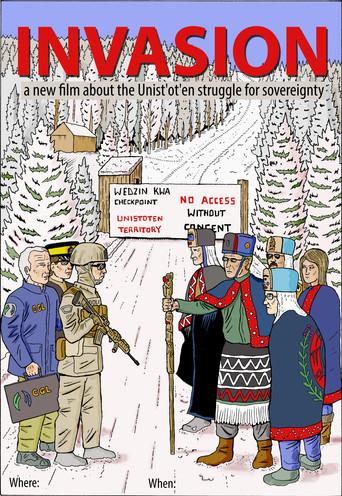
In this era of "reconciliation", Indigenous land is still being taken at gunpoint. INVASION is a new film about the Unist'ot'en Camp, Gidimt'en checkpoint, and the Wet'suwet'en Nation standing up to the Canadian government and corporations who continue colonial violence against indigenous people.
Invasion


The band Fugazi is documented over a period of more than ten years (1987-1998) through performance footage and interviews with the band and their fans. Director Jem Cohen's relationship with band member Ian MacKaye extends back to the 1970s when the two met in high school in Washington, D.C.. The film takes its title from the Fugazi song of the same name, from their 1993 album, In on the Kill Taker. Editing of the film was done by both Cohen and the members of the band over the course of five years. It was shot from 1987 through 1998 on super 8, 16mm and video and is composed mainly of footage of concerts, interviews with the band members, practices, tours and time spent in the studio recording their 1995 album, Red Medicine. The film also includes portraits of fans as well as interviews with them at various Fugazi shows around the United States throughout the years.