In My End is My Beginning
Overview
See through Archie Reid’s camera the ruins that once housed Mary Queen of Scots, from the cradle to her house arrest. If these stones could speak, they would tell tragic tales. Let David Beal be your guide as he recounts this infamous story of two defiant monarchs ensnared in a web of plots, intrigue and paranoia.
Top Cast

David Beal
Narrator
Key Film Crew
Production Stats
You May Also Like


An epic 3+ hour chronology of scenes from over 200 films and television shows shot in Massachusetts from the silent era to today. Highlighting recognizable locales from Martha’s Vineyard to Harvard Square to Great Barrington, along with bygone landmarks and Boston streets, and featuring James Cagney, Tony Curtis, Elizabeth Taylor, Luciano Pavarotti, Harrison Ford, and all the Afflecks and Wahlbergs you can handle.
Made in Massachusetts
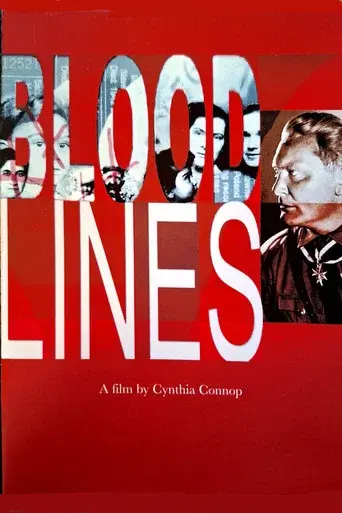
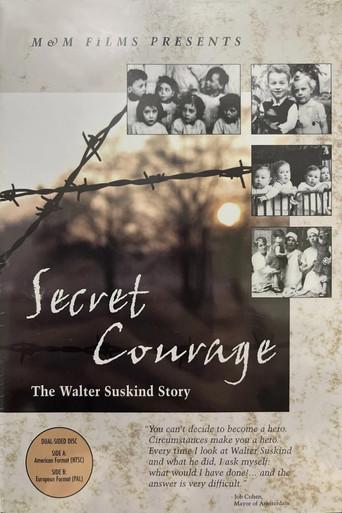
A moving meditation on guilt and reconciliation, Bloodlines explores the unwritten cost of war and genocide on future generations - of both victims and perpetrators. As Bettina Goering, grandniece of Nazi war criminal Herman Goering, searches for a way to come to terms with her heritage, she meets Ruth Rich, a painter and daughter of Holocaust survivors. At a time when seemingly irreconcilable divisions between groups are tearing the world apart, this deeply hopeful film is a beautiful testament to the power of dialogue and post-conflict reconciliation.
Bloodlines
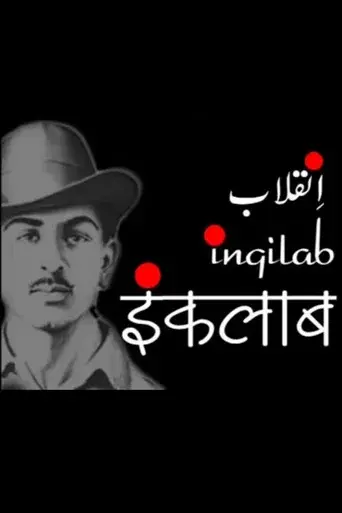
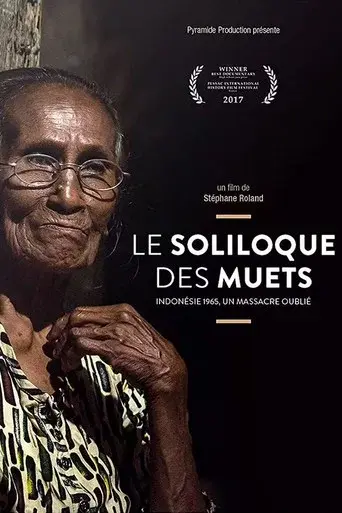
A documentary that traces the life and times of Bhagat Singh, a committed Marxist who most ably exemplified the spirit of revolutionary resistance against British imperialism in undivided India.
Inquilab
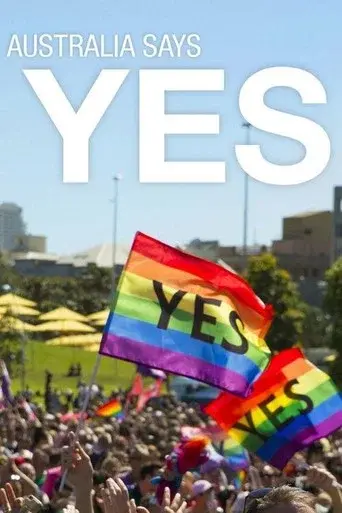
Packed with drama, high emotions and cliff-hanger moments, Australia Says Yes is the intimate and personal history of struggle and perseverance that propelled Australia to say Yes to marriage equality. The film shows how a group of determined individuals fought tirelessly against unjust laws that treated LGBTIQ people as second-class citizens, creating a movement that saw them go from criminals to legally equal over the course of five decades.
Australia Says Yes

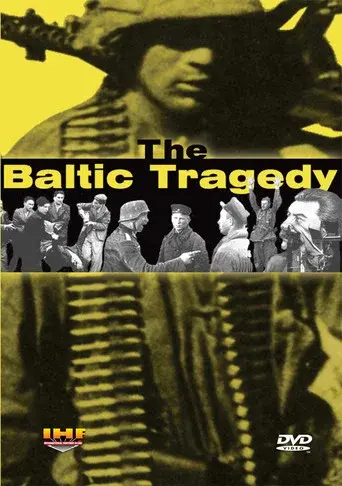
Special care has been taken by International Historic Films to assemble this monumental documentary, which tells the story of what is left for a people after its land has been ravaged by war. Situated between the powerful antagonists Germany and the Soviet Union, the Baltic nations of Latvia, Lithuania, and Estonia bore witness to some of the most ferocious land battles of the Second World War.
The Baltic Tragedy

This short documentary depicts the search, discovery and authentication of the only known Norse settlement in North America - Vinland the Good. Mentioned in Icelandic manuscripts and speculated about for over two centuries, Vinland is known as "the place where the wild grapes grow" and was thought to be on the eastern coast between Virginia and Newfoundland. In 1960 a curious group of house mounds was uncovered at l'Anse aux Meadows in northern Newfoundland by Drs. Helge Ingstad and Anne Stine Ingstad of Norway. Added to the United Nations World Heritage List, l'Anse aux Meadows is considered one of the most important archaeological sites in the world.
The Vinland Mystery

The film showcases the voices of past and present Hougang residents, alongside commentary by historians, public intellectuals, politicians, and volunteers. Charting Hougang’s history from the mid-eighteenth century, the film features personal recollections of growing up in Hougang, residents’ sentiments towards state-led redevelopment and relocation, and the political journey of the community in the context of the Workers’ Party having won the Hougang Parliamentary seat a little over 30 years ago.
Hougang: The Documentary

In 1944 Rudolf Breslauer documented the everyday life in the Westerbork transit camp on film, commissioned by the German camp commander Albert Gemmeker. The Westerbork Film was never completed, but much of the raw footage is preserved.
Westerborkfilm
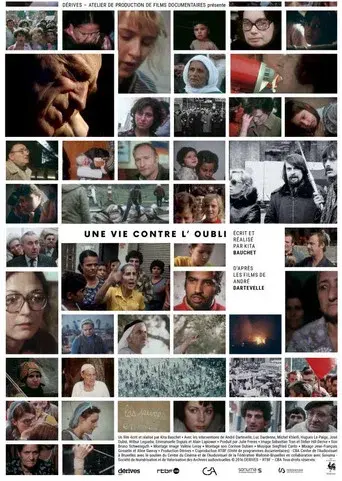
Portrait of Belgian historian, reporter and documentarian André Dartevelle.
Une vie contre l'oubli

The film delves into an almost forgotten event that took place in Kfar Qasim in October 1956, when 47 innocent civilians were shot and killed by Israeli Border Police soldiers. Through a gripping narrative structure, like a suspenseful legal drama, the film unfolds the historical, political, and psychological reality that shaped and triggered the event. A cinematic montage created by the intertwined plotlines, emphasizes immense gaps, conflicting narratives, and deep divides between Jews and Arabs who are destined to live together on the same land. If we begin to recognize these gaps, will there be hope for reconciliation?
The 1957 Transcripts

In 804 AD, Kūkai traveled to Tang China with the Japanese diplomatic mission to study under Master Huiguo, the seventh patriarch of Tang Esoteric Buddhism. After returning to Japan, his knowledge and practices went on to influence religion, literature, calligraphy, architecture, and education, shaping religious practice, artistic tradition, and intellectual life across East Asia for more than 1,250 years. Rooted in rigorous historical research, location-based storytelling, documentary techniques, cinematic reconstruction, and CG technology, the film recreates Kūkai’s world and revisits the Tang-era cultural exchange that transmitted ideas, philosophy, and spiritual traditions across East Asia. Through Kūkai’s journey, the documentary explores enduring themes of faith, learning, compassion, and cultural exchange, inviting timely conversations on ethical leadership, education, mental well-being, and intercultural dialogue in today’s increasingly interconnected world.