

What is a Chinchilla, Really?
Overview
Discover the truth behind one of the fluffiest animals on Earth: the chinchilla. Native to the Andes Mountains of South America, chinchillas are known for their incredibly dense fur, acrobatic jumps, and unique behaviors like dust bathing and “fur slipping” to escape predators. But there’s more to these rodents than just cuteness. This short documentary explores their biology, habitat, predators, relationship with humans, family life, and five fascinating facts you may not have known. Whether you’re a chinchilla owner, animal lover, or just curious about creation, this is a deep dive you won’t want to miss. Watch, learn, and see why this animal is a testament to the wonder of design.
Top Cast

ShadowTailTV
Narrator
Chinchilla (Uncredited)
Chinchilla
Key Film Crew
Production Stats
You May Also Like

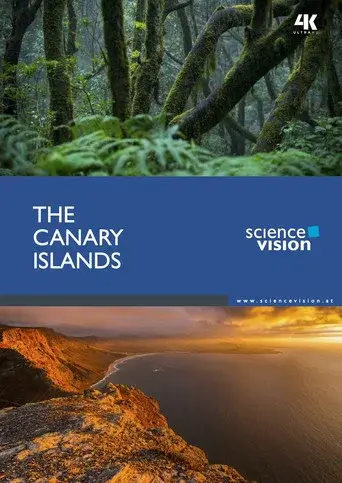
There are few places on earth that have such a diverse variety of terrain and range of climates concentrated in a relatively small area - temperate coastline, scorching arid deserts and tundra, tropical rainforests and frozen snowcapped mountains. And there are few places that are as heavily exploited by humans, yet remain a wilderness.
The Canary Islands
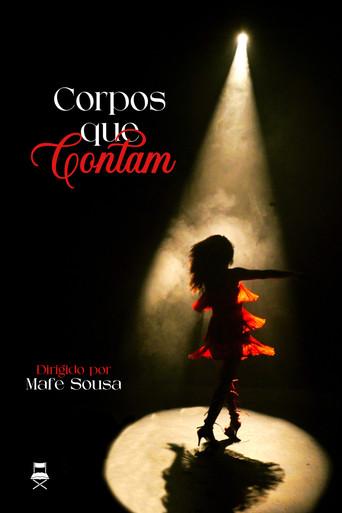
Samba, Popping, and Jazz. Through these dance styles and documentary interviews, Bodies That Tell Stories seeks to discuss the standardization and whitening of dances that had their roots in Black people.
Corpos que Contam
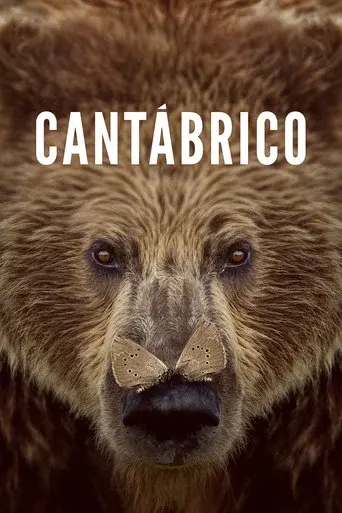
Spreading about 400 km in parallel to the Cantabric Sea, the Cantabrian Mountains, located North to Spain are a natural top wall full of animal and vegetable life that live in an extreme conditions across any year. Making a review along the four seasons, the documentary examines the situation and the relation of the different species, focusing in the brown bear's life in addition with the salmons travel along of thousand kilometers to return home to spawn, showing too the difficult of a landscape where danger is everywhere, including in the smallest size. A fascinating travel for revealing the wonder of nature.
Cantábrico

“Balance of Life” is a film about life’s and human kinds’ fight to find the balance between our own evolving life style and the nature of the planet we inhabit. The human race is drifting further and further away from its real roots and from what being a human is really about. The speed of development has increased to a state where humans have a hard time keeping up. We find ourselves in a situation where both our own and the planets’ wellbeing is severely threatened. As a last resort human is relying on faith to find the balance. Is faith the last defense of man or is this world guided by forces greater than us? Is this force God, evolution or just the mere sum of coincidences that formed the universe, the natural order and laws of physics?’ Watch it here (https://vimeo.com/51203265)
Balance of Life

A Day in TOKYO in 1968, Nostalgic bygone era. Planned by Japan National Tourism Organization. Produced by Koga Production. This film was produced to explain Tokyo for foreign tourists.
A Day in Tokyo

Promotional film for Seventeen intended to show how well the magazine knows and serves its teenage audience. The film observes teenage girls at home, in school, at work and play, and alone and with friends, zeroing in on teen concerns about dating, marriage, and adulthood.
The Age of Curiosity
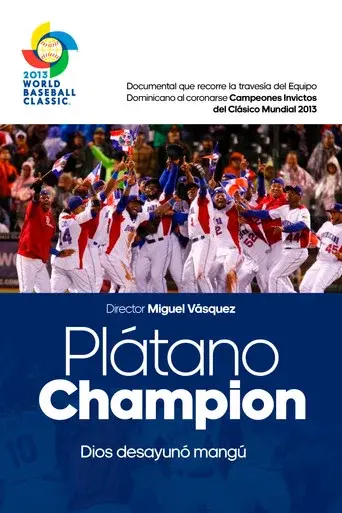
A summary of the Dominican Republic's undefeated championship run in the 2013 World Baseball Classic.
Plátano Champion


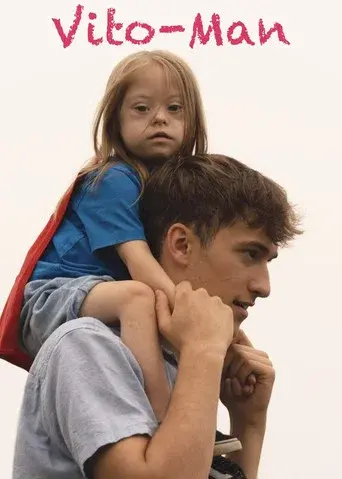
Vito is a sweet little boy with Down syndrome, and this short documentary puts his energetic, jolly personality on full display as he interacts with his loving family. By showing Vito’s dignity and inherent value, Vito-Man tackles the difficult conversation that is the eradication of people with Down syndrome, proving that an extra chromosome should not be a death sentence.
Vito-Man
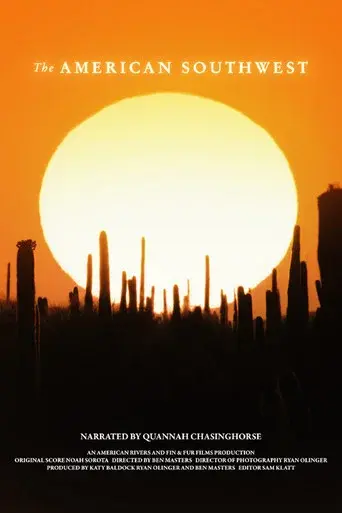
The American Southwest is a feature length blue chip natural history film narrated by indigenous environmentalist Quannah Chasinghorse. The movie journeys down the mighty Colorado River, examining the astonishing beauty and biodiversity of the region, while confronting the environmental destruction from dams and the perilous fate of the river. The story is told through never-before-seen wildlife sequences such as beavers building wetlands, condors recovering from the brink, and the potential return of Jaguars to American soil. The film beautifully advocates for better management of the river and increased wildlife conservation efforts in the iconic landscapes of The American Southwest.
The American Southwest

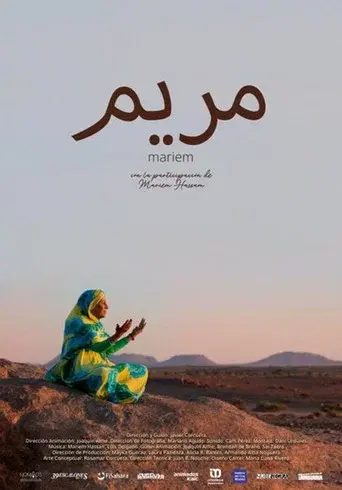
Mariem Hassan, Sahrawi refugee, composer and Western Sahara's most emblematic singer, died of cancer in 2015. Soon before her passing, Mariem returned to the liberated territories of her homeland, where she had spent her childhood. There, she told us her story and sang for the last time. This film pays tribute to her last testimony and her art.