The Courageous Sisters
Overview
Since 1995, the TransAsia Sisters Association has been a pioneering force in supporting immigrant women in Taiwan, especially marriage migrants. What began as a small literacy class has grown into a vibrant community that empowers women to organise, speak out, and advocate for their rights. The film explores the struggles of belonging, the strength of sisterhood, and the quiet power of everyday resistance. From street protests to storytelling through food and culture, the Sisters continue to reshape the narrative of migration—one voice at a time.
Key Film Crew
Production Stats
You May Also Like



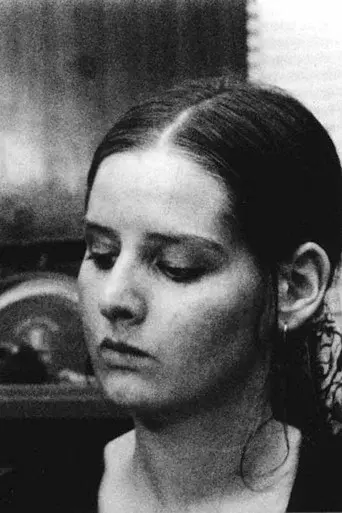
A docu-drama shot in 1970, but not completed until 1973, the film sought to encapsulate in an experimental form issues that were under discussion within the Women’s Liberation Movement at this time and to thus contribute to action for change. In its numerous community screenings, active debate was encouraged as part of the viewing experience.
A Film for Discussion

The funeral procession of suffragette Emily Davison - fatally injured at the Epsom Derby - passes through London to her final resting place in Morpeth.
Miss Davison's Funeral
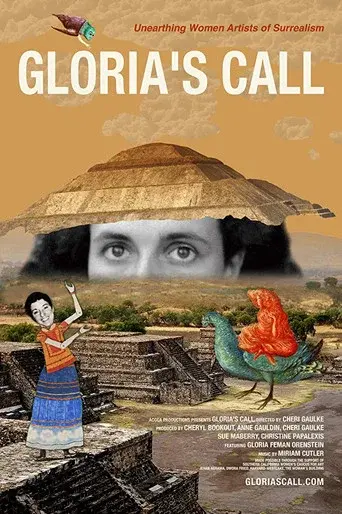
In 1971, graduate student Gloria Orenstein received a call from Surrealist artist Leonora Carrington that sparked a lifelong journey into art, ecofeminism and shamanism. This short film uses art, animation and storytelling to celebrate this wild adventure. Now more than 40 years later, award-winning Dr. Gloria Feman Orenstein is a feminist art critic and pioneer scholar of women in Surrealism and ecofeminism in the arts. Her delightful tale brings alive an often unseen history of women in the arts.
Gloria's Call
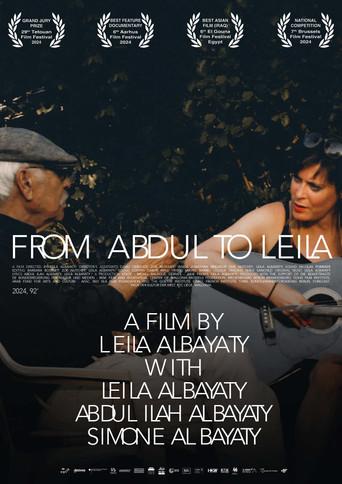
After losing part of her memory in an accident, Leila, a young French woman of Iraqi origin, reconstructs her story by reconnecting with her family and exploring her roots. Through music and cinema, she brings her exiled father's poems to lite, dis-covers the reality of the Middle East, and embarks on a personal quest to understand her identity and find her voice.
From Abdul To Leila

A Palestinian activist's fight for freedom draws a Japanese American filmmaker into confrontation with detention regimes of past and present.
Enemy Alien
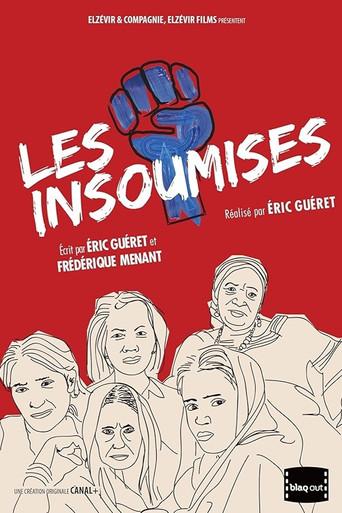
What happens to families in the absence of sons? What happens to land in the absence of farmers? What happens to villages in the absence of men? Sent Away Boys weaves together stories of individual ambitions and family biographies from Punjab (India) to chronicle the gradual transformation of agrarian landscape and patriarchal traditions through ongoing transnational migration. As the promise of a secure future in agriculture grows increasingly uncertain for young men across the region, escaping India to join the low-wage labor in countries like Canada and USA becomes their sole aspiration. In rural Punjab, being a successful man now entails leaving their village, traveling abroad, and sending money home. Through interviews with men preparing to undertake often risky journeys and women awaiting the return of their sons, brothers and husbands, Sent Away Boys shows how young men's decisions to emigrate implicate families and communities across North India.
Sent Away Boys
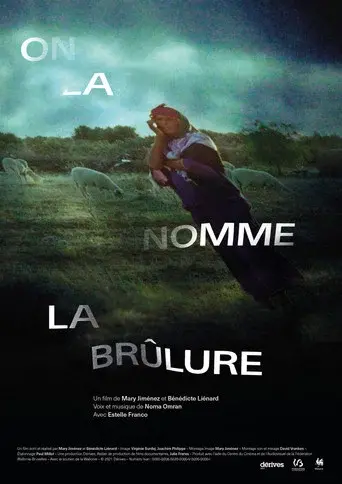
One night, nine children from the same Tunisian village attempt the deadly crossing. Like a poem or a prayer, this film welcomes the words of bereaved mothers and gives dignity to their grief.
Call it the burning

The decision to move to Holland doesn't sound like a wise idea. Why move to a country that could be flooded at any moment? For the last 25 years, the political climate has shifted. The public debate on migration has become harsher, more heated, and polarized. What would have been considered right-wing xenophobia back then, is now considered mainstream. Populists simplify complex realities into good and evil, victims and perpetrators: ‘us’ versus ‘them’. Their rhetoric often consists of dehumanizing words and metaphors. One of these is ‘water’. In reality, water is not an immediate threat to the average Dutch person; but it is a huge threat to the thousands trying to reach the Netherlands. People trying to survive the Mediterranean Sea in rubber boats. Trying to survive winter on the Aegean coast in primitive tents. To them, water really is deadly.
The Flood
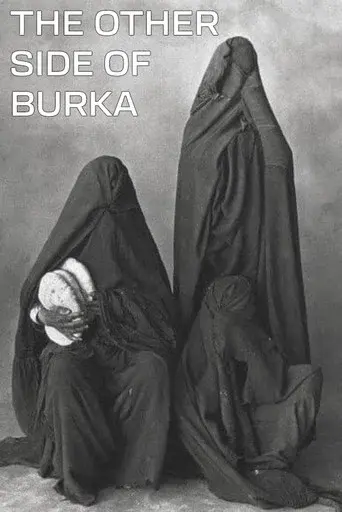
The Other Side of Burka is a 2004 Iranian documentary directed by Mehrdad Oskouei. In the southern island of Qeshm, Iran, which is a very strict region in point of tradition and African-Arabic rules, all women are under the pressure of patriarch society. Their sufferance is manifested by different mental (Zar, Possession) and physical diseases which must be only treated by Zar Ceremony. For the first time, despite the danger these women face, this film tells us the sad story of their life and shows their confection in front of the camera. It tries to be an honest mirror which reflects their sufferance and unveils their Burka to reveal their real characters.
The Other Side of Burka

An undocumented immigrant explores his and his family's immigration trauma while grasping hope through a voicemail.