Overview
The voices of women who do not know each other come together collectively for equality, and question the boundaries of the patriarchal order that surrounds not only women but also men, society, and all life. This shared narrative combines with their reflections, inviting the viewer to rethink gender equality, freedom, and the invisible boundaries that shape everyday life.
Top Cast

Beril Tezer
herself
Ayşegül Özge Ünal
herself
İrem Çatar
herself
Sema Büyük
herself
Zeliha Karakoca
herself
Key Film Crew
Production Stats
You May Also Like


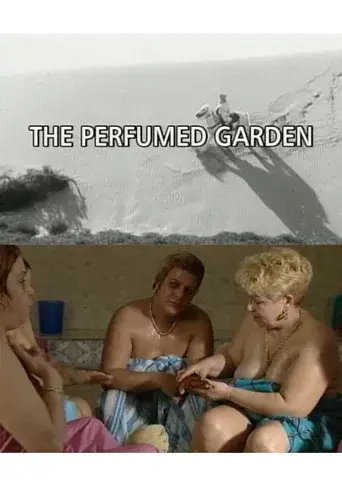
THE PERFUMED GARDEN is an exploration of the myths and realities of sensuality and sexuality in Arab society, a world of taboos and of erotic literature. Through interviews with men and women of all ages, classes, and sexual orientation, the film lifts a corner of the veil that usually shrouds discussion of this subject in the Arab world. Made by an Algerian-French woman director, the film begins by looking at the record of a more permissive history, and ends with the experiences of contemporary lovers from mixed backgrounds. It examines the personal issues raised by the desire for pleasure, amidst societal pressures for chastity and virginity. The film discusses pre-marital sex, courtship and marriage, familial pressures, private vs. public spaces, social taboos (and the desire to break them), and issues of language.
The Perfumed Garden
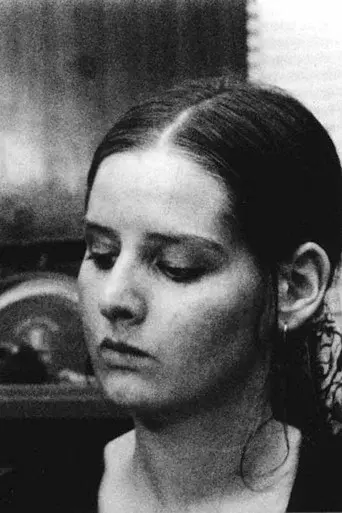
A docu-drama shot in 1970, but not completed until 1973, the film sought to encapsulate in an experimental form issues that were under discussion within the Women’s Liberation Movement at this time and to thus contribute to action for change. In its numerous community screenings, active debate was encouraged as part of the viewing experience.
A Film for Discussion

The funeral procession of suffragette Emily Davison - fatally injured at the Epsom Derby - passes through London to her final resting place in Morpeth.
Miss Davison's Funeral
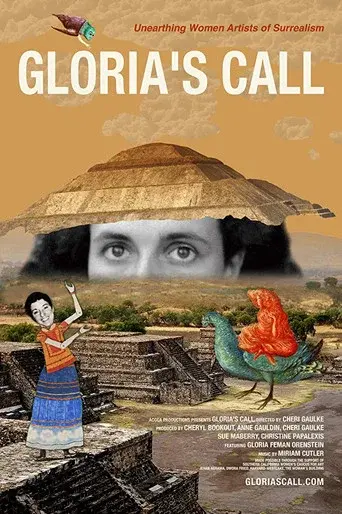
In 1971, graduate student Gloria Orenstein received a call from Surrealist artist Leonora Carrington that sparked a lifelong journey into art, ecofeminism and shamanism. This short film uses art, animation and storytelling to celebrate this wild adventure. Now more than 40 years later, award-winning Dr. Gloria Feman Orenstein is a feminist art critic and pioneer scholar of women in Surrealism and ecofeminism in the arts. Her delightful tale brings alive an often unseen history of women in the arts.
Gloria's Call
What happens to families in the absence of sons? What happens to land in the absence of farmers? What happens to villages in the absence of men? Sent Away Boys weaves together stories of individual ambitions and family biographies from Punjab (India) to chronicle the gradual transformation of agrarian landscape and patriarchal traditions through ongoing transnational migration. As the promise of a secure future in agriculture grows increasingly uncertain for young men across the region, escaping India to join the low-wage labor in countries like Canada and USA becomes their sole aspiration. In rural Punjab, being a successful man now entails leaving their village, traveling abroad, and sending money home. Through interviews with men preparing to undertake often risky journeys and women awaiting the return of their sons, brothers and husbands, Sent Away Boys shows how young men's decisions to emigrate implicate families and communities across North India.
Sent Away Boys
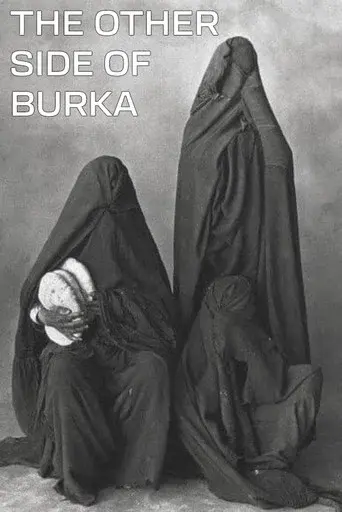
The Other Side of Burka is a 2004 Iranian documentary directed by Mehrdad Oskouei. In the southern island of Qeshm, Iran, which is a very strict region in point of tradition and African-Arabic rules, all women are under the pressure of patriarch society. Their sufferance is manifested by different mental (Zar, Possession) and physical diseases which must be only treated by Zar Ceremony. For the first time, despite the danger these women face, this film tells us the sad story of their life and shows their confection in front of the camera. It tries to be an honest mirror which reflects their sufferance and unveils their Burka to reveal their real characters.
The Other Side of Burka


Widerstandsmomente (Moments of Resistance) carries voices, writings, and objects from the anti-Nazi resistance into the present. Politically engaged women of today respond to historical resistance and make links to current events. A line is drawn from what was before and what is today to what might be: a society based on solidarity without discrimination or exclusion.
Moments of Resistance
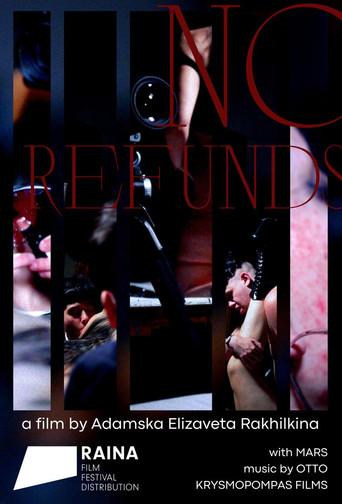
"No Refunds" is a visceral, tangled descent into the transactional dynamics of intimate encounters, told through the language of bodies, sheets, and reflections, where the purchase of queer sex work is laid bare. As the filmmaker simultaneously takes on the roles of client and audience, the boundaries between documentary and performance fade, unraveling the artifice at the heart of sex work and the act of filmmaking.