

Du bidonville aux HLM
Overview
No overview summary available for this movie.
Key Film Crew
Production Stats
You May Also Like




An investigation in the city prompted by the assault of a young person by a bus driver. All over the street, the collective goes out to meet people and question the processes of violence in their neighborhood.
Zone immigrée

In 1955, a year after the birth of the National Liberation Front (FLN), Mahmoud was expelled from Algeria by the colonial authorities who feared his revolutionary speeches. At the age of 27, he arrived in the Algerian slum of Nanterre. Roughly questioned by FLN activists, in disagreement with the Algerian Nationalist Movement (MNA) who wanted to recognize theirs, he was then accepted as the local hairdresser and shoemaker. Subsequently, he became a driver during anti-MNA expeditions. Accepting increasingly dangerous missions, he is imprisoned by the French police and once again undergoes interrogations and special treatment by the police which will definitively undermine his sanity. One day, he no longer recognized his companions, and when joy broke out among the FLN militants, at the announcement of the signing of the Evian Accords, Mahmoud remained alone, frozen in an attitude of refusal, walled in his madness. Algeria has just won its independence.
Les Sacrifiés

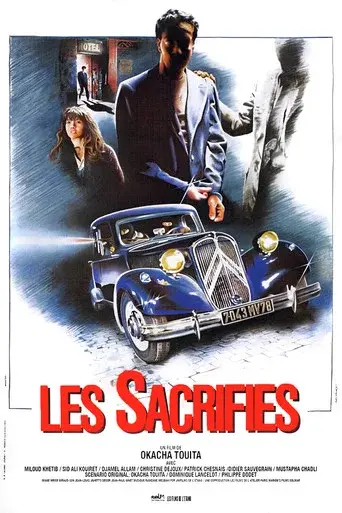
Ahmed, an Algerian laborer and young father, leaves his country and arrives in France, hoping to find a job through Salah, a friend who has been living in the Paris suburbs for several years. He is disappointed when he arrives in Nanterre, where Salah lives in a shantytown. Without any support, Ahmed has to make the daily rounds of the employment offices, like so many other immigrants who, like him, have been lulled into complacency.
Mektoub
It all begins with western riders coming down the main street of a town that looks a lot more urban than the usual town you see in western movies, with building facades of stone, even though the streets are dirt.
The War Bonnet Round-Up


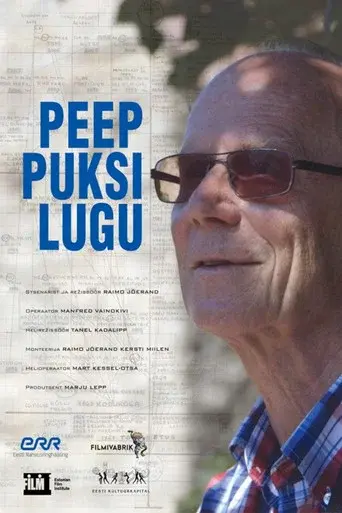
Filmmaker Peep Puks has directed 61 documentaries and created almost 40 programmes for television. In this film, he looks back on a lost time, the films that have accompanied him, and the colleagues without whom this all wouldn’t have happened. It’s also the story of the first post-war generation of Estonia and the birth of the Estonian documentary.