

Overview
Hot off of a win of the country's largest television cooking show, Chef Buddy Bontemps finds himself under the tutelage of one of the greatest chefs in modern time. Having never been in a perfectionist's kitchen, he gets devoured.
Top Cast

Brandon Scales
Buddy Bontemps

John Fiore
Chef Enzo Deluca
Key Film Crew
Production Stats
You May Also Like
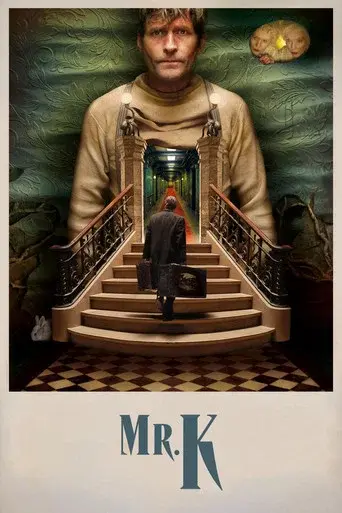
Mr. K, a traveling magician, finds himself in a Kafkaesque nightmare when he can’t find the exit of his hotel. His attempts to get out only pull him deeper, entangling him further with the hotel and its curious inhabitants.
Mr. K
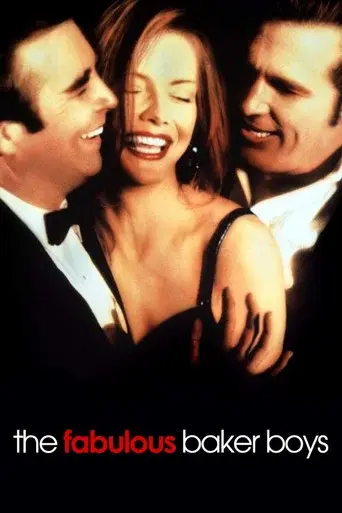
The lives of two struggling musicians, who happen to be brothers, inevitably change when they team up with a beautiful, up-and-coming singer.
The Fabulous Baker Boys

A down-and-out restaurateur and his neighbor hatch a plan to lure bird watchers to their small Newfoundland town and increase tourism by announcing the presence of a rare duck.
Rare Birds
When two buskers find themselves situated on the same busy street corner, a musical battle ensues when the musicians realise that the lively city isn't big enough for the both of them
Streetlight Opus


Documentary about jazz great Chet Baker that intercuts footage from the 1950s, when he was part of West Coast Cool, and from his last years. We see the young Baker, he of the beautiful face, in California and in Italy, where he appeared in at least one movie and at least one jail cell (for drug possession). And, we see the aged Baker, detached, indifferent, his face a ruin. Includes interviews with his children and ex-wife, women companions, and musicians.
Let's Get Lost


John Pettibone (Droopy), a dog whose love of Dixieland music is not appreciated by those around him, has a lucky meeting with Pee-Wee Runt and his All-Flea Dixieland band at the circus.
Dixieland Droopy

Sound is a journey. Each note opens a door, closes another. Instruments chart the course. Through a poetic and immersive lens, Sou Jazz shines a light on musicians from the Paraisópolis community, reaffirming the social and transformative power of art. The film invites viewers into a reflective, sensory exploration of the relationship between jazz and life on the margins.
Sou Jazz

An mad, unhinged chef and his futile attempts at killing a cockroach in a restaurant kitchen. This film takes its cues from the giant-insect films of the 50's such as "Them!" (1954) and a nod in the direction of Kafka's "Metamorphosis."
Dr. Ded Bug

Passing the Torch documents a ninety year old Jazz master, Jimmy Heath, mentoring teenage musicians with a thirst for knowledge and an appreciation of America's homegrown art form, Jazz. Director Bret Primack captures Heath's gentle, humorous sharing of life lessons and the non-threatening way he guides aspiring artists to musical excellence. An esteemed mentor, Mr. Heath reaches a much younger generation by understanding his role, to be dependable, engaged, authentic, and finely tuned to their needs.
Passing the Torch

At a romantic dinner, a couple begins to observe the table next to them, as they suspect a killer is lurking. But first, they need to reach a consensus. Is he really a killer?
The Dates
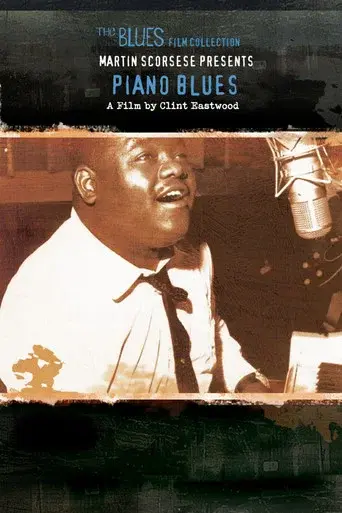
Director — and piano player — Clint Eastwood explores his life-long passion for piano blues, using a treasure trove of rare historical footage in addition to interviews and performances by such living legends as Pinetop Perkins and Jay McShann, as well as Dave Brubeck and Marcia Ball.
Piano Blues


Although the free jazz movement of the 1960s and '70s was much maligned in some jazz circles, its pioneers - brilliant talents like Ornette Coleman, Cecil Taylor, Sun Ra, Albert Ayler, and John Coltrane - are today acknowledged as central to the evolution of jazz as America's most innovative art form. FIRE MUSIC showcases the architects of a movement whose radical brand of improvisation pushed harmonic and rhythmic boundaries, and produced landmark albums like Coleman's Free Jazz: A Collective Inspiration and Coltrane's Ascension. A rich trove of archival footage conjures the 1960s jazz scene along with incisive reflections by critic Gary Giddins and a number of the movement's key players.