After the Revolution
Original Title: “Después del Zapatismo”
“Can Revolution Survive Everyday Life?”
Overview
The impact of the Zapatista uprising in Chiapas, Mexico, on the lives of the Mayan women who joined as rebels to seek justice within their own culture.
Key Film Crew
Production Stats
You May Also Like
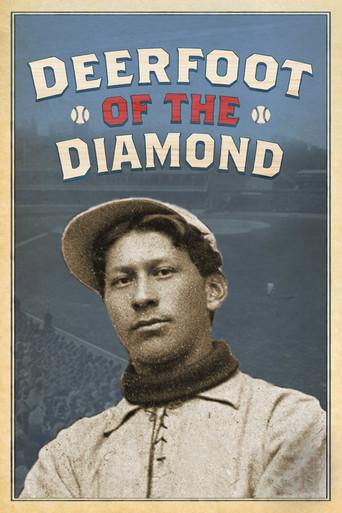
In late 2021, Cleveland’s baseball team was reborn as the Guardians. This documentary, directed by Lance Edmands, chronicles the saga of that name change, which has its roots in a forgotten legend named Louis Sockalexis, and the tragedy that enveloped his story more than a century ago.
Deerfoot of the Diamond
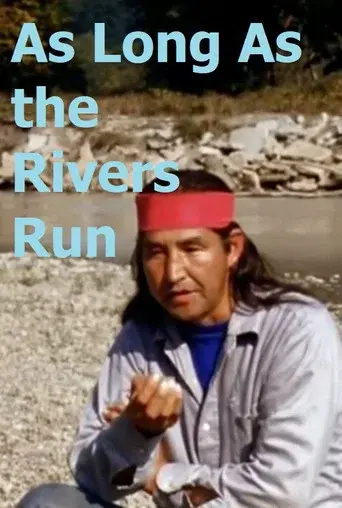

An Ojibwe woman explores the history and spiritual importance of manoomin to the Mille Lacs Band by interviewing tribal elders, visiting a museum, harvesting wild rice by canoe, and preserving her people's legacy for her son.
Finding Manoomin

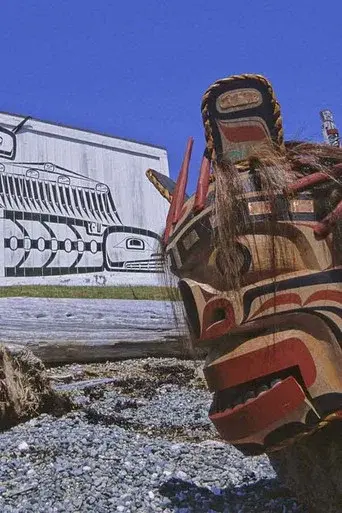
In 1921 the Kwakiut'l people of Alert Bay, British Columbia, held their last secret potlatch. In 1980 at Alert Bay, the U'mista Cultural Centre (U'mista means "something of great value that has come back") opened its doors to receive and house the cultural treasures which were seized decades earlier and only then returned to the people. The center also took up activities such as recording stories told by elders so that some part of the past would always be alive and teaching children about their heritage in order to make them feel connected to their ancestors. This film documents the cultural significance of these events for today's Kwakiut'l people. It is an eloquent testimony to the persistence and complexity of Kwakiut'l society and to the struggle for redefining cultural identity for them.
Box of Treasures

Ompung Putra Boru, a sixties indigenous Batak woman from Humbang Hasundutan, North Sumatra, retraces her life stories through photographs that interweave her past and present as a wife, mother, healer and indigenous land defender in two neighboring villages. Her multi-layered stories are juxtaposed with visual records of everyday life in the two villages, where people’s living space is still increasingly threatened by a giant pulp expansion.
Motherland Memories

Have you ever been to the bullfights in Tijuana? Larry Wessel's TAUROBOLIUM is not only cinema verite at it's best, Larry Wessel's TAUROBOLIUM is the best documentary on bullfighting ever made!
Taurobolium
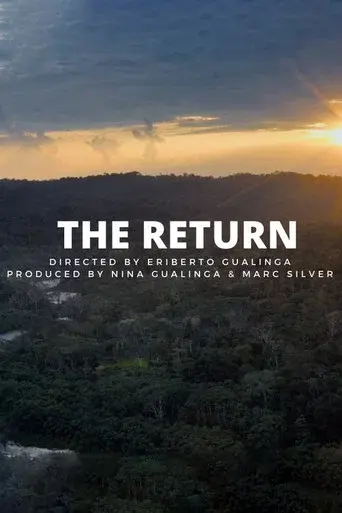
It’s spring in the Ecuadorian Amazon and the Uyantza festival is underway with the community celebrating all that the forest has to offer. Meanwhile, news is breaking around the world that a novel virus is spreading and a state of emergency is declared across the country. As people test positive for COVID-19 in the community, some families decide to leave and head deeper into the jungle. Disconnected from school, friends, the internet, and work, one family learns to reconnect with life in the forest. The children begin to unlearn the national curriculum, and instead are taught Indigenous knowledge that mainstream schools normally pass over. As COVID-19 wreaks havoc around the planet, the family reconnect to their ancestral ways, but as news arrives that Ecuador’s lockdown will end soon, will the family choose to return?
The Return
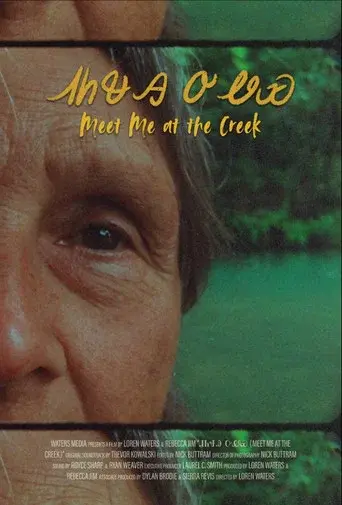
Waters’ LIFT project, ᏗᏂᏠᎯ ᎤᏪᏯ (Meet Me at the Creek), is the fourth of a quartet of films, and focuses on interconnectedness and Cherokee values through the lifelong fight of Rebecca Jim, a Cherokee Nation citizen and waterkeeper warrior, as she leads the effort to restore Tar Creek in Miami, Oklahoma.
Meet Me at the Creek

The Day of the Dead is one of the most deeply rooted and celebrated traditions in our country and when this festivity takes place in a magical town, the event becomes something memorable. The Day of the Dead tradition in Huautla de Jiménez, Oaxaca begins on October 27 with the arrival of the chá to xo´o´ and the celebration lasts six days. Hand in hand with its inhabitants, we will take a tour to witness all the colors, smells, flavors, sounds, textures, and visions that surround this ancestral festival and that of the Mazatecs.
The Path of the Dead
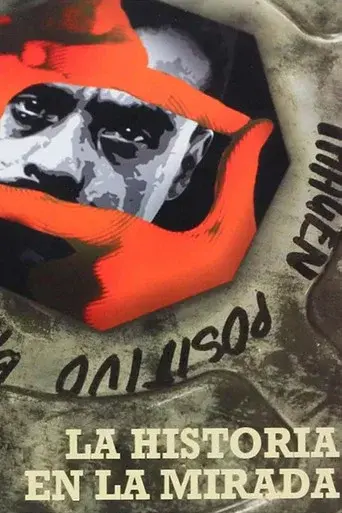
The film portraits the stage previous to the outbreak of the Mexican Revolution, from the end of Porfirio Díaz´ government, the social volatility, the ephemeral government of Madero and the presence of the working class in the figures of Villa and Zapata, until the signing if the Constitution of 1917. All of this through moving images, filmed during those events mainly by the Alva brothers, filmmakers of that time. Those images let us perceive the contradictory and shuddered glance of the people of that period.
The History in the Gaze
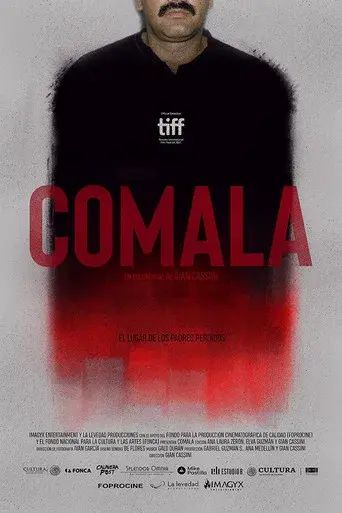
A man’s journey to learn the story of his estranged father, a failed hitman killed several years ago. A man's journey to face the scattered members of his dysfunctional family and understand the life of his absent father, a failed hit man murdered years ago in a Mexican border town. While the story of the father takes shape, each family member comments on the behavioral patterns that influenced his criminal actions.
Comala
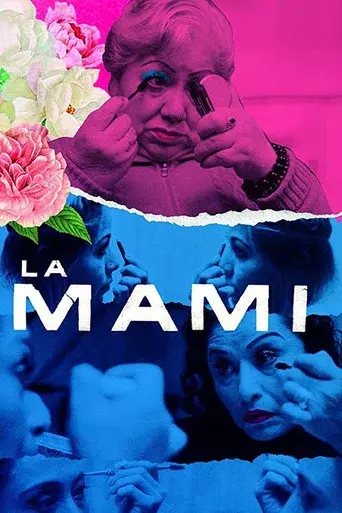
One of the rooms inside the legendary Barba Azul Cabaret has become a shelter for the girls working there: the women's bathroom. Every night La Mami, who's in charge of the bathrooms, offers them the warmth and the advice they need to take on the challenge they face in the dance hall.