

Overview
"Prima" follows Margo, a dedicated prima ballerina raised by her disciplinarian and “guardian of the art” grandmother, who begins to unravel when the head of her ballet company marries a contemporary choreographer, disrupting the company’s tradition and igniting a quiet, atmospheric power struggle that threatens the very future of the institution. As events unfold, Margo begins to question if the choices made in life are really worth it in the end, a question so many face as difficult decisions can change your life forever.
Top Cast

Nicola Peltz
Margo

Faye Dunaway

Jack Huston

Betty Gabriel
Lana

Mira Sorvino
Key Film Crew
Production Stats
You May Also Like

A young singer falls in love with his teacher’s daughter, but their romance is tested when the girl’s parents arrange her marriage with Vanraj, which takes three of them into an unexpected journey of love, sacrifice, and selflessness.
Hum Dil De Chuke Sanam

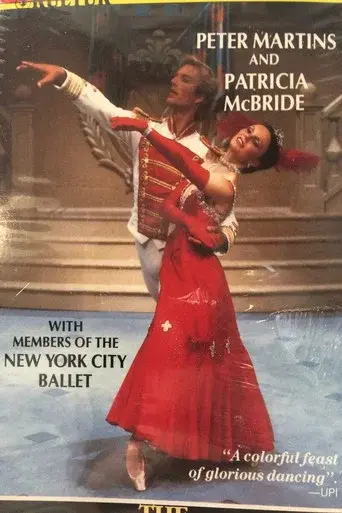
The Merry Widow, a beguiling, romantic ballet starring Patricia McBride and Peter Martins.
The Merry Widow

After his plane crashes in Siberia, a Russian dancer, who defected to the West, is held prisoner in the Soviet Union. The KGB keeps him under watch and tries to convince him to become a dancer for the Kirov Academy of Ballet again. Determined to escape, he befriends a black American expatriate and his pregnant Russian wife, who agree to help him escape to the American Embassy.
White Nights
The movie will chart Cole’s journey as musician and quiet revolutionary, navigating racial injustice, Hollywood sabotage and self doubt to ensure his legacy and help pave the way for future generations of artists and Black men and women.
Unforgettable

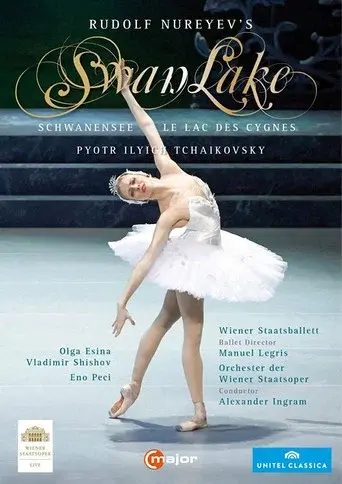
Good triumphs over evil in this fairy tale that sets magic, romance, and tragedy to Tchaikovsky’s timeless score. One of the most iconic works in the ballet literature, this revival features Rudolf Nureyev’s career-defining choreography. Production celebrates 50th anniversary of the production choreography by Nureyev.
Swan Lake
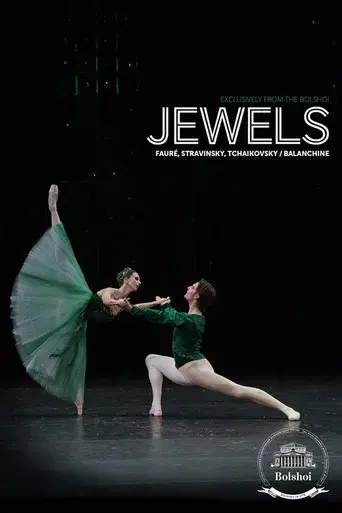
George Balanchine's jewel-themed triptych, strikingly choreographed to the music of Faure, Stravinsky and Tchaikovsky. This three act masterpiece is renowned as the world's first full-length abstract ballet. The Russian-born co-founder of the New York City Ballet, Balanchine was inspired by the artistry of jewellery designer Claude Arpels to create a trio of distinct movements revealing the essence of each precious stone. Each part also evokes three different cities: Paris, New York and St. Petersburg. 'Emeralds' was conceived as a tribute to the French romantic school, with music by Gabriel Faure. The fiery and energetic 'Rubies' taps into the rich tradition of Broadway musicals, with music by Stravinsky. 'Diamonds' honours the grandeur of Imperial Russia and the Maryinsky Theater, choreographed to the music of Tchaikovsky. With its jewel-like costumes, this is a celebration of the influences on the choreographer who was described as the father of American ballet.
Bolshoi Ballet: Jewels
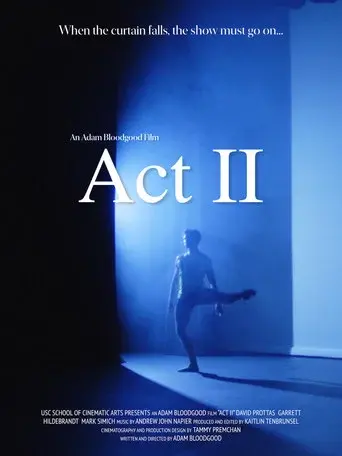
After suddenly losing his job at a world-class ballet company, a male ballet star is forced to wrestle with his identity as a minimum-wage teacher in the shadows of the suburbs.
Act II
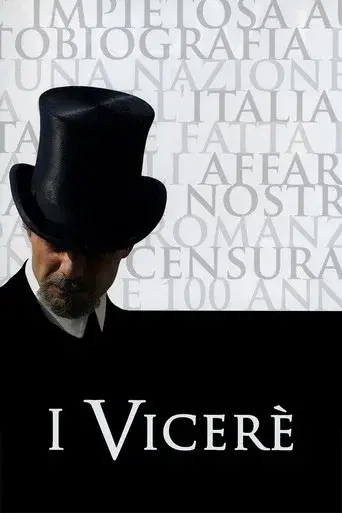
In late 19th-century Sicily, the noble Uzeda family—whose lineage dates back to the ancient viceroys that ruled those lands—fights to preserve its waning power in the face of the newly unified Italian regime.
I Vicerè
MONEY is a dance film that explores the monotonous cycle of corporate 9-to-5 life. The dancers represent employees in a workplace that twists into a corporate nightmare, exposing the rigid and dehumanizing nature of the corporate world. Through movement, the film highlights the tension between control and rebellion, questioning the structures that define success and productivity that the workplace outlines for many everyday. with a sharp and unconventional movement vocabulary, MONEY challenges capitalist ideals and the way they shape daily life. The film breaks traditional boundaries, using dance to portray a system that demands conformity while suppressing individuality. Its rebellious undertones push against societal norms, making more room for fun and play.
Money
Directed by Mexican choreographer-director Camila Arroyo, and created in collaboration with designer Sabrina Olivera, “Soldaderas” is a contemporary interpretation of the figure of the Soldadera, known as the women fighters of the Mexican revolution. The choreographic portrait follows a young woman as she dances her way through Mexico City, capturing her twists and turns as well as the different self-fashioning rituals that accompany her. The film is also a moving archive of Olivera’s first collection, created in honor of the Soldaderas, for her upcoming brand Sabrina Ol. The movement in the film plays with the idea of the word soldar, translated in English as to weld. Centering this action, the choreographic language plays with the actions of melting, and rebuilding, braiding and forging as a backbone to how the protagonist moves around the city. As we watch the film, we play dress up with the dancer and sink into our bodies, allowing her movements to travel through us.
Soldaderas

After escaping from her homeland and now abandoned by the man she loves, Medea must find strength from within to fight against growing injustice - how far is she willing to go?
Medea
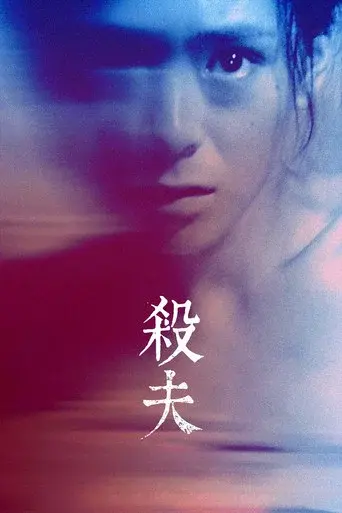
A woman resorts to prostitution out of hunger and commits suicide shortly after, leaving her daughter to embark on an equally cruel path.
The Woman of Wrath
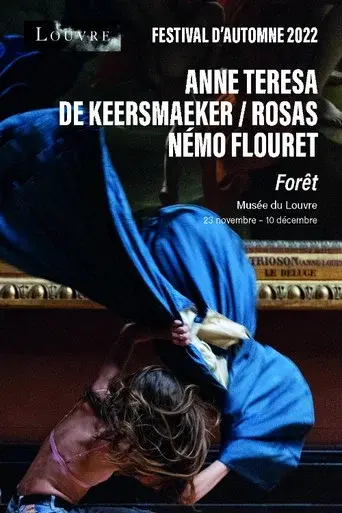
Whirlwinds, burning forests, erased cities – the centuries-old artworks housed in the Louvre strongly resonate with our present time. Forêt follows a new generation of Rosas dancers moving amidst these artworks, bridging past and present. Choreographed by Anne Teresa De Keersmaeker and Némo Flouret in 2022, the performance was designed for the Louvre’s Grande Galerie and its famed 'red rooms,' home to Italian masterpieces and 19th-century French Romantic art. Evi Cats captured this performance, with a camera that moves almost imperceptibly between the dancers and the audience, alternating between intimate close-ups and wide shots of the imposing scenery.
Forêt
Eugen Suchoň's ballet Angelika is historically the first Slovak ballet in staged form, depicting the story of a musically gifted but poor and underestimated girl who is wrongly accused of theft. In the 2014/2015 season, the SND Ballet undertook the staging of the first Slovak ballet. Composer Eugen Suchoň (1908 - 1993), one of the founders of Slovak musical modernism, wrote the ballet pantomime Angelika for Slovakia as a seventeen-year-old pupil of the Music School. The work was found in the composer's estate along with other compositions from the so-called pre-Opus period. Mauro di Candia, who choreographed and directed the first staging of Suchoň's work, presents the staging concept of the ballet Angelika as an original, precise and pure ballet form within a contemporary choreographic language, combined with the musical elements of Suchoň's melodic score.