

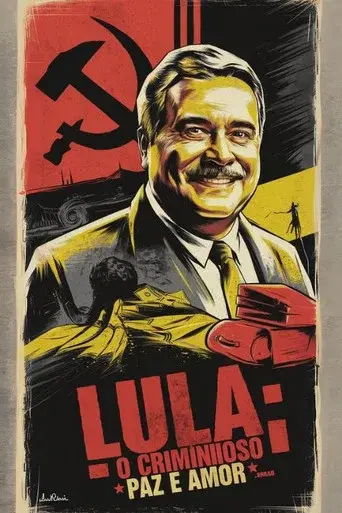
Crato Contra o Imperialismo
Overview
No overview summary available for this movie.
Key Film Crew
Production Stats
You May Also Like

The film follows the final days of Brazil’s 2022 presidential election through livestreams and edits on the Chinese social media platform TikTok, which at that time had around 80 million active users in the country.
Politiktok



Buenos Aires seems like the ideal metropolis: stunning views, art and warm people. However, apathy and control threaten to overtake the city’s spirit to turn it into a place where the cruel are rewarded while the righteous are punished. Can we change the path?
Hijos de la Libertad

Through abrupt soundtrack shifts, this short film jumps between historical political imagery to explore the cinematic language of propaganda, unpacking complex concepts through sensory explosions — from the Brazilian military dictatorship to the Chinese revolution.
Political Cinema


A political documentary that critically examines Colombian democracy, the 1970 elections, and the role of domestic and foreign elites in shaping the balance of power, questioning the extent to which the political system truly represents the will of the people.
What is democracy?

The documentary delves into the images that shaped the political myth of Jair Bolsonaro, from his earliest YouTube videos to the end of his term in office. Over a series of sleepless nights, a narrator drifts through Bolsonaro’s livestreams, selfies, and speeches, searching for the logic of a form of power forged through and by images. By confronting this visual regime with Brazil’s official iconography, the film explores how power is understood, repeated, and asserted through images, at a time when politics increasingly unfolds on screens.
Dragoons

To understand the obsession with federal deputy and presidential candidate Jair Bolsonaro (PSL) and how his network of support is structured on the internet, VICE went to São Paulo and Rio Grande do Sul to investigate its largest bases of support in the country.
The Bolsonaro's Myth

This documentary, made entirely of archival footage shot mainly by amateurs, revisits 50 years of Chilean history. A fascinating lesson in memory, this personal montage adopts a popular, even fringe, perspective to help write a more complete national memory. As the filmmaker asserts in her narration, there’s the history we’re told, the history we live, and the history we tell ourselves. Between the coup d’état of September 11, 1973, and the recent double failure of the new constitution project, this film shows that the people of Chile have long oscillated between excitement and disappointment, accumulating shattered hopes. Rejecting the pessimism that would trap us in collective immobility, Karin Cuyul instead draws on the past to ask how we can continue to dream of the necessary social and political changes.
The Life That Will Come

"The End of Bolsonaro" follows the historic trial at the Supreme Federal Court (STF) that led to the conviction of Jair Bolsonaro for attempted coup d'état, portraying the end of an authoritarian era and the victory of Brazilian democracy.
The End of Bolsonaro


“Lokkhi Elo Ghore” is a socially rooted film that captures the everyday struggles and resilience of women across Bengal. It tells the story of a widowed woman who, after facing profound personal loss and economic hardship, gradually rebuilds her life with courage, dignity, and determination. The narrative reflects how timely institutional support and welfare interventions can enable self-reliance, restore confidence, and create pathways to social and economic empowerment. Through a deeply human lens, the film highlights the transformative impact of last-mile delivery of welfare schemes. At its core, “Lokkhi Elo Ghore” is a story of hope, resilience, and the quiet strength of women.
Lokkhi Elo Ghore


Three young professionals leading the government’s communications department make a critical mistake that jeopardizes the upcoming presidential election. To fix it, they must go to the very last extremes, even if it costs them their lives.
The Call Center
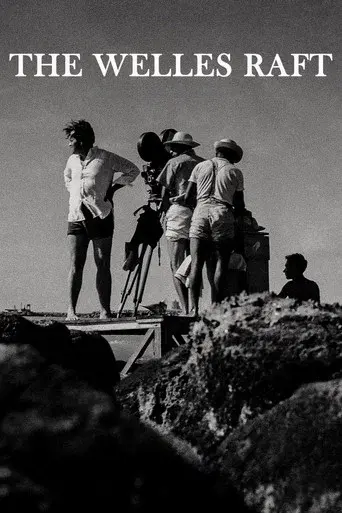
The raft man Manuel Jacaré was swallowed by the sea when Orson Welles was filming It's All True in 1942. The fact evokes memories of the dictatorship of the Estado Novo, of World War II, of Ceará fishermen's struggle for labor rights and housing in their traditional space - target of real estate speculation.
