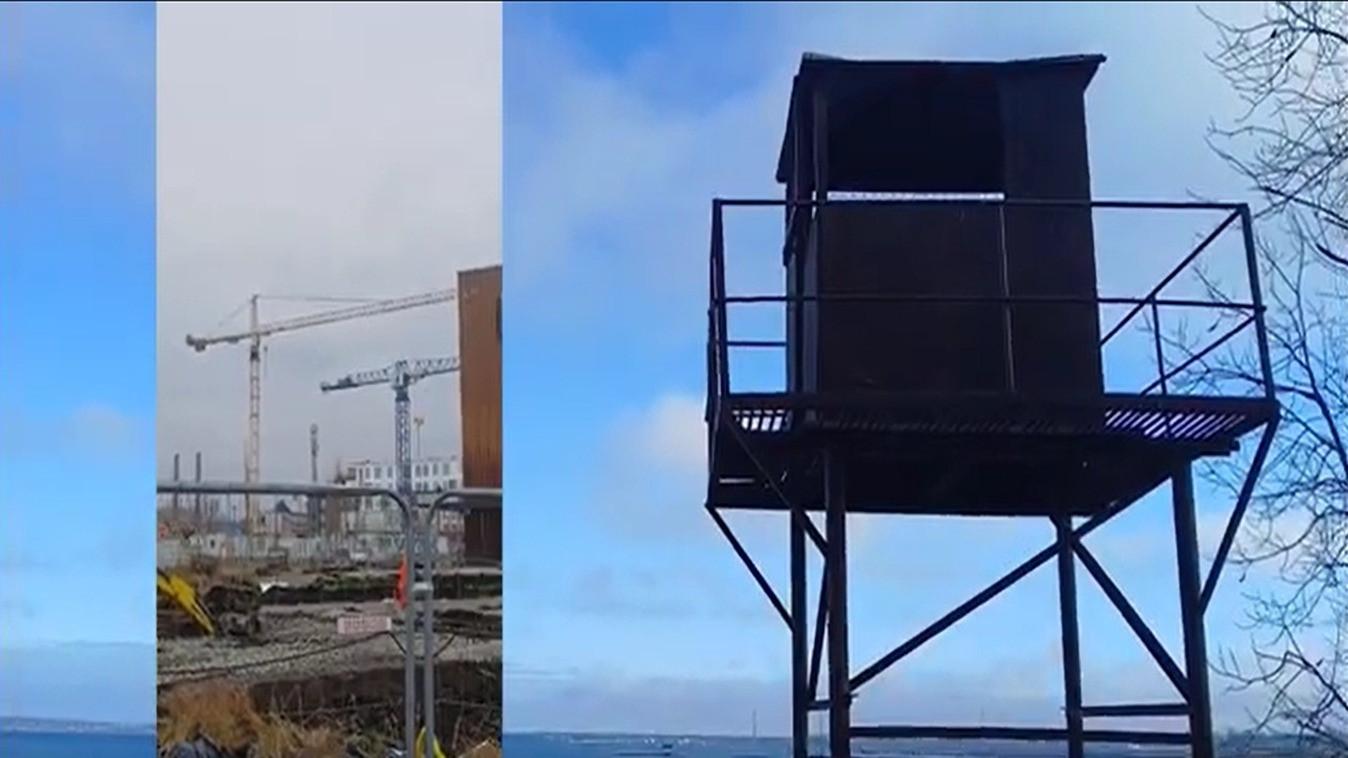

When the Water Stops Flowing
Overview
Jonathan Stavleu explores, in a stream-of-consciousness video essay, the relationship people have with water and what happens when access to it is taken away. For this work, he examines anecdotal histories he has heard from Estonians, as well as stories from his own family history in the Netherlands, weaving them together into a journal-like narrative.
Top Cast

Jonathan Stavleu
Narrator (voice)
Key Film Crew
Production Stats
You May Also Like

The Polish city of Łódź was under Nazi occupation for nearly the entirety of WWII. The segregation of the Jewish population into the ghetto, and the subsequent horrors are vividly chronicled via newsreels and photographs. The narration is taken almost entirely from journals and diaries of those who lived–and died–through the course of the occupation, with the number of different narrators diminishing as the film progresses, symbolic of the death of each narrator.
Łódź Ghetto



The animated corpse of Moscow goes on after its inhabitants left. Filled with weeps and whispers of the mourning ghosts, torn apart with phone calls from distant countries and unfamiliar sounds, emotionally devastated and deserted, the city attempts to reconcile with its own voice.
Moscow Calling

A man’s journey to learn the story of his estranged father, a failed hitman killed several years ago. A man's journey to face the scattered members of his dysfunctional family and understand the life of his absent father, a failed hit man murdered years ago in a Mexican border town. While the story of the father takes shape, each family member comments on the behavioral patterns that influenced his criminal actions.
Comala

Using footage filmed in Peru in 1950 by a foreigner, Víctor writes a letter to his son to question the country he will inherit: among heartbeats and ruins, he searches for a hope that still endures amid disillusionment.
Peru is a place to die
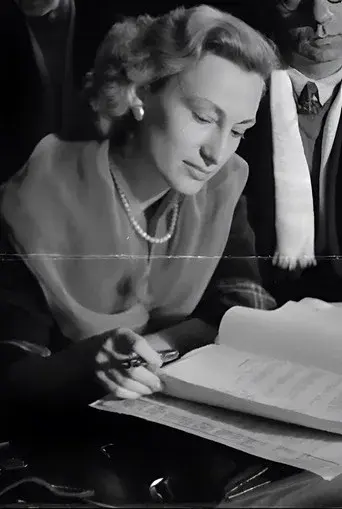
Made on the occasion of March 8, it presents a series of brief portraits of women, from various professional fields, of different ages and even of different ethnicities, pointing out the benefits that the communist organization had brought to their daily lives. A special emphasis is placed on their status as mothers and on the role of nurseries and socialist kindergartens not only in making their lives easier, but also in giving them the time they need to build a career. Another concern of the filmmaker, starting from the concrete case of one of the protagonists, is to highlight the differences between the happy present and the not-too-distant past in which someone with her social status should have dedicated herself exclusively to raising children, in hygienic and extremely difficult lives.
Women of Today


Documentary examines the history and evolution of the Olympic Games, taking a close look at the Olympic charter, oath and ideals. Also featured are rare home movies and interviews with Olympic athletes and the oldest known color footage of the Olympic Games from Berlin in 1936.
Spirit of the Games
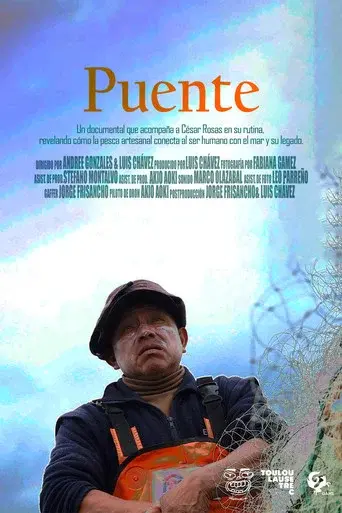
“Bridge” follows César Rojas, an artisanal fisherman from the Peruvian coast, as he reveals his daily routine, his spiritual relationship with the sea, and the resilience of a craft that endures despite modernization. Through observation, voice-over, and his own testimony, the documentary builds an intimate portrait in which the sea becomes a mirror of humanity.
Bridge

An essay film exploring the thirteen United States Presidents that have led the country through war and conflict from 1950 to 2025.
Spartamerika
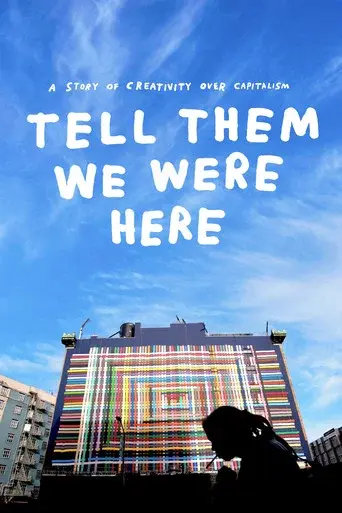
Tell Them We Were Here is an inspirational feature-length documentary about eight artists who show us why art is vital to a healthy society and reminds us that we are stronger together.
Tell Them We Were Here
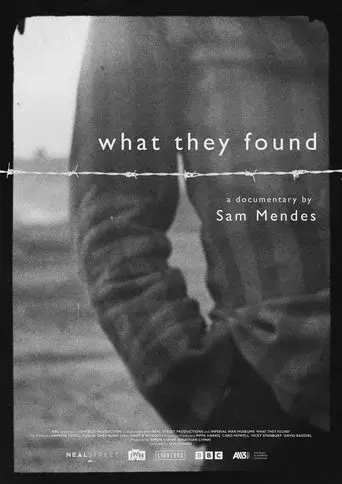
The story of two soldier-cameramen, Sgt Mike Lewis and Sgt Bill Lawrie, who witnessed the liberation of Belsen during the closing days of World War II.
What They Found
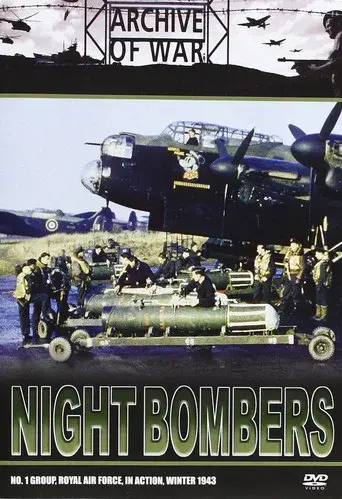
Recorded during World War II, this rare color film traces an RAF Bomber Command night attack on Berlin -- from strategic planning and preparation to the execution of the actual attack with Avro Lancaster bombers. Air Commodore H.I. Cozens filmed the events during a period when the Bomber Command flew into Germany nearly every night for a massive series of raids on key targets.
Night Bombers

One day, as you leave work and head home, something unexpected happens. Everywhere you go, paths begin to open and multiply. You can go anywhere you want, and with each place you choose, a new version of yourself emerges. You begin to disappear and in that disappearance you feel free: no longer being one, but becoming another, becoming many others. Individual experience gives way to the collective. A constant search for a place in the world. Walking toward the other, toward the unknown—yesterday, today, and tomorrow.
