Štreit – I photograph, therefore I am
Original Title: “Štreit - Fotografuji, tedy jsem”
“To find something that transcends life.”
Overview
A creative and personal retrospective of the renowned photographer Jindřich Štreit, accompanied by a selection of his photographs, footage from exhibitions, and encounters with those closest to him.
Top Cast

Jindřich Štreit
Self

Radka Urbanová
Self
Key Film Crew
Production Stats
You May Also Like
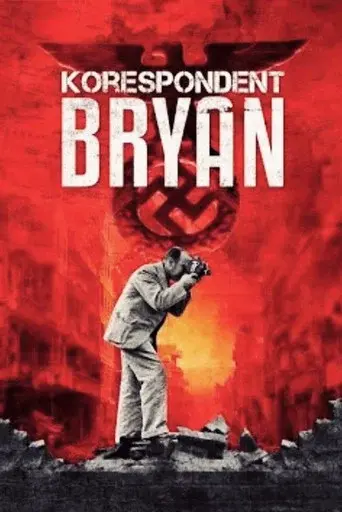
The film is based solely on footage shot in Warsaw in 1939 by Julien Hequembourg Bryan. This American filmmaker and photographer documented life in Poland, the Soviet Union and Nazi Germany between 1935 and 1939. Following the outbreak of the Second World War, he arrived in Warsaw, where he shot a number of films documenting the city under siege, and is said to be the only foreign correspondent in the Polish capital at the time. Bryan also took the first colour photographs of wartime Warsaw.
Korespondent Bryan

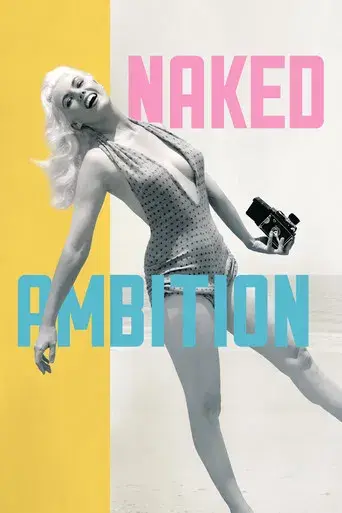
Bunny Yeager, once heralded as the world's prettiest photographer, had a huge influence in 20th-century pop culture though few people know her name. Whether by popularizing the bikini, helping discover Bettie Page, shaping the image of Playboy or inventing the selfie, Bunny was a trailblazer whose work bucked against conservative 1950s America and helped pave the way for the feminist movement and the sexual revolution. Yet the very changes she helped usher in would soon render her a forgotten relic...till now.
Naked Ambition
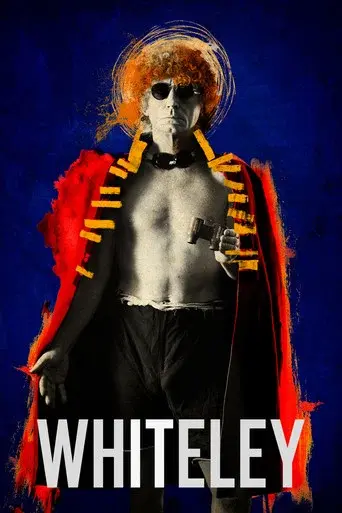
A visual journey into the life and legacy of one of Australia's most celebrated artists, Brett Whiteley.
Whiteley

In 1995, the Saint Paul de Mausole nursing home in Saint Rémy de Provence opened an art therapy workshop as part of the Valetudo association. A Dutch painter and the nursing staff of Saint Paul accompany women who discover and reveal themselves in the shadow of a certain Vincent van Gogh.
Point de fuite



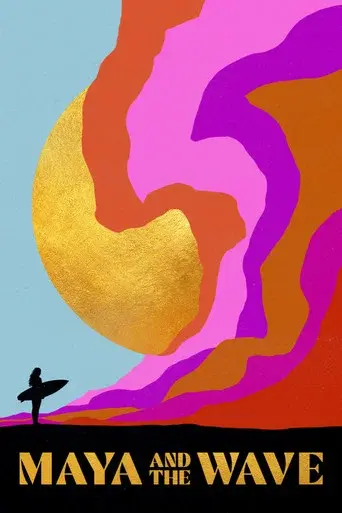
After a brush with death, Maya Gabeira makes history in the male-dominated world of big wave surfing.
Maya and the Wave
Poème Électronique is an 8-minute piece of electronic music by composer Edgard Varèse, written for the Philips Pavilion at the 1958 Brussels World’s Fair. The Philips corporation commissioned Le Corbusier to design the pavilion, which was intended as a showcase of their engineering progress. The pavilion was shaped like a stomach, with a narrow entrance and exit on either side of a large central space. As the audience entered and exited the pavilion, the electronic composition Concret PH by Iannis Xenakis (who also acted as Le Corbusier's architectural assistant for the pavilion's design) was heard. Poème électronique was synchronized to a film of black and white photographs selected by Le Corbusier which touched on vague themes of human existence.
Electronic Poem
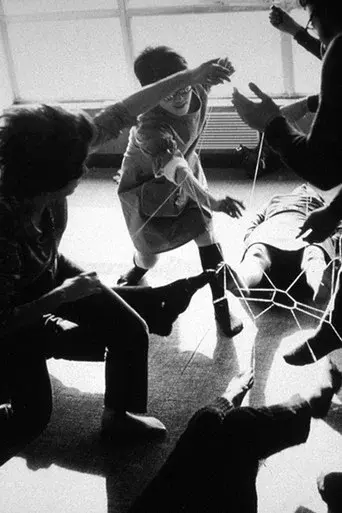
Artistic experimental documentary short that explores the universe of Brazilian artist Lygia Clark. Sensorial experiences, the perception of the body, forms and tactile sensations are mixed and reflect the human race as part of the cosmos, getting lost to find itself. Art, stripped of its virtuous image, as an action of the common human being, the expression of living things, runs from the mechanical repetition of movements and attitudes.