

Maroc : Les Défis de Mohammed VI
Overview
Two years ago, Mohammed VI succeeded his father, Hassan II, without any apparent difficulties. Is this succession really as smooth as it seems?
Top Cast

Jean-Michel Vennemani
Narrator (voice)
Séverine Labat
Narrator (voice)
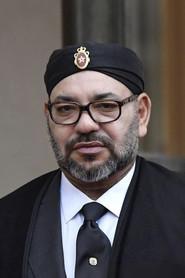
King Mohammed VI
Self (archive footage)
Rémi Leveau
Self - Political scientist
Salah Eddine El Ouadie
Self - Forum Vérité et Justice

Aboubakr Jamaï
Self - Director of "Le Journal"
Abdelkrim El Manouzi
Self - Forum Vérité et Justice
Abraham Serfaty
Self - Political activist
André Azoulay
Self - Economic adviser to the King
Hassan Aourid
Self - Spokesperson for the palace
Abderrahmane Youssoufi
Self - Prime Minister
Mohamed El Gahs
Self - Editor-in-chief of "Libération"
Key Film Crew
Production Stats
You May Also Like
A humorous observation in Barcelona’s immigrant neighbourhood El Raval. Four barber shops, four places of remembrance, strange time and space capsules inhabited by people who left their home to find a better one, while the Spaniards are about to leave their own country themselves.
Parrot at the Milk Bar

This short-length documentary takes us to Agadir, a city in Morocco that was struck by an earthquake in 1960. The film, made by an expatriate Moroccan who lost family and friends in the disaster, is a memorial to that tragedy and to the past he left behind when he came to North America. Partly allegorical, it employs varying techniques to offset reality from fantasy sequences.
Once ... Agadir
A distinguished military leader whose reign was touched by great scandal, shocking betrayals and rousing victories. A simple shepherd boy chosen to be king, under the watchful eyes of prophet Samuel.
David
Documentary that shows the changing attitude towards immigrant labor in The Netherlands. The documentary follows three immigrants that arrived in Holland 30 years ago to work in a bakery.
Aan ons den arbeid
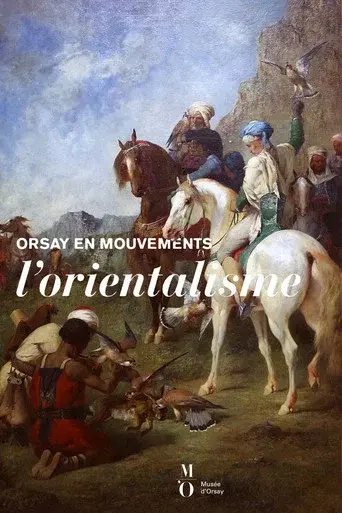
Orientalism is a literary and artistic movement born in Western Europe in the 18th century. Through its scale and popularity, throughout the 19th century, it marked the interest and curiosity of artists and writers for the countries of the West (the Maghreb) or the Levant (the Middle East). Orientalism was born from the fascination of the Ottoman Empire and followed its slow disintegration and the progression of European colonizations. This exotic trend is associated with all the artistic movements of the 19th century, academic, romantic, realistic or even impressionist. It is present in architecture, music, painting, literature, poetry... Picturesque aesthetics, confusing styles, civilizations and eras, orientalism has created numerous clichés and clichés that we still find today in literature or cinema.
L'Orientalisme
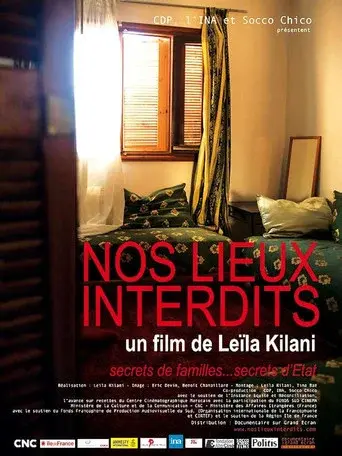
During the oppressive reign of Moroccan King Hassan II in the 70s and 80s (Years of Lead), many dissidents went missing. After the throning of a new king, a truth commission was formed in the 2000's. Families of the missing speak.
Our Forbidden Places
Shot on location in a very remote part of southern Morocco, this short film looks into the amazing craftsmanship and dedication of the Berber rug weavers in the region. These incredibly talented people are part of an ancient tradition that still employs centuries-old techniques to produce beautiful and unique handwoven rugs.
Children of Wool

The young farmer Aalami leaves his family to find work elsewhere. He gets to know the country and its people, customs and traditions at Küste in North Africa: Market life in Tetuan, the art of craftsmanship, the life of the Moors, dances and festivities in honour of the caliph, white mosques, the call of the muezzin of the minaret and the music of the shepherd flutes. Aalami also follows Franco's call and flies from Morocco to Spain to fight at Bürgerkrieg. In the end Aalami comes back to his wife and children.
Romancero marroquí
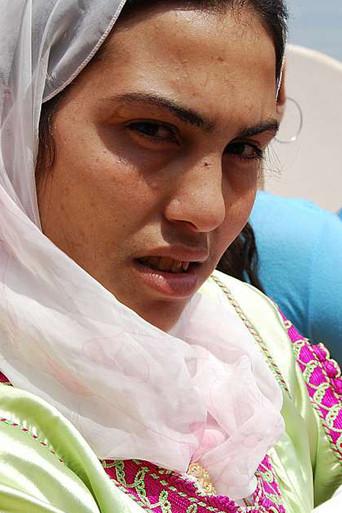
A film about a woman who doesn’t exist. Moroccan Hind was raped and consequently denied an official identity – she has no other choice but to work as a prostitute and traditional wedding dancer, but despite the odds of her situation, refuses to give up her dream of dignity, motherhood and love. This is a story of modern day outlaws, children of prostitutes, abandoned child brides and those who have had to escape to the fringes of patriarchal Moroccan society. Through the eyes of one young woman we see a life of constant struggle, but also a life free of the society’s norms and boundaries. The woman in the centre of the film, Hind, is both vulnerable and courageous as she tries to regain her life, her children and her mere right to live as an equal human being in the 21st century.
Dance of Outlaws


Yann Arthus-Bertrand flew over Morocco with his cameras and asked the journalist Ali Baddou to write and record the comment.
Morocco from Above

Four women are on an existential journey in Morocco, connecting with local women from all walks of life bonding in sisterhood, and share their common quest for empowerment.
To my sisters

An aging King invites disaster when he abdicates to his corrupt, toadying daughters and rejects his one loving, but honest one.
King Lear
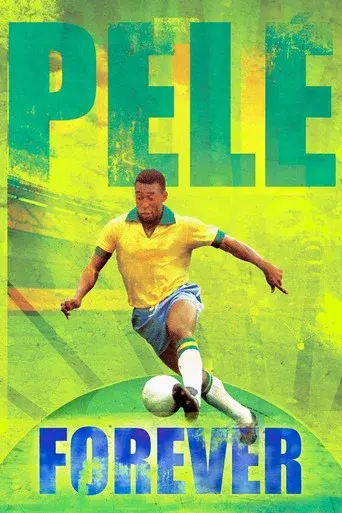
The life of the "King of Football" Pelé is shown through testimonials from former players, friends and important celebrities of the time. Following a chronological order, several of his goals, key moves and facts that marked his career are displayed.
Pelé Forever
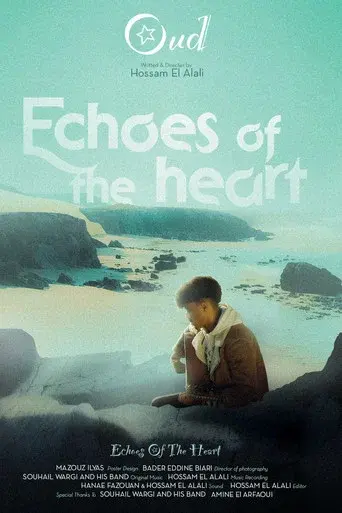
ECHOES OF THE HEART IS THE FIRST SHORT FILM OF ECHOES TRILOGY THAT FOLLOWS SOUHAIL'S MUSIC PASSION IN PLAYING OUD IN A SMALL CITY.
Echoes Of The Heart
Following the death of Amina Filali, a 16 year-old girl who killed herself after she was allegedly forced to marry the man who raped her, a young woman carries a personal investigation into the representation and perception of rape in Morocco. Here rapists are offered to marry their victims as a means to save the "honour" of the family. By liberating the voices of these victims, 475 : Break the Silence gives an unprecedented view of family, the deceit of love, relationships, marriage and honour in urban deprived areas of a country seeking to find its identity between modernity and tradition.
Break the Silence
An undercover documentary film produced and directed by British filmmaker Dominic Brown, about the struggle of the indigenous Sahrawi people of Western Sahara. The documentary covers the current human rights and political situation of the Sahrawi. There are several interviews recorded with human rights victims including an elderly lady who had been attacked in her home the previous day by Moroccan security forces. There is also a focus given to the alleged vested interests of countries in the region, particularly France. The film states that the French Government's close relationship with Morocco, their trade deals and their use of veto over the terms of the UN mission in Western Sahara are major factors.