
Overview
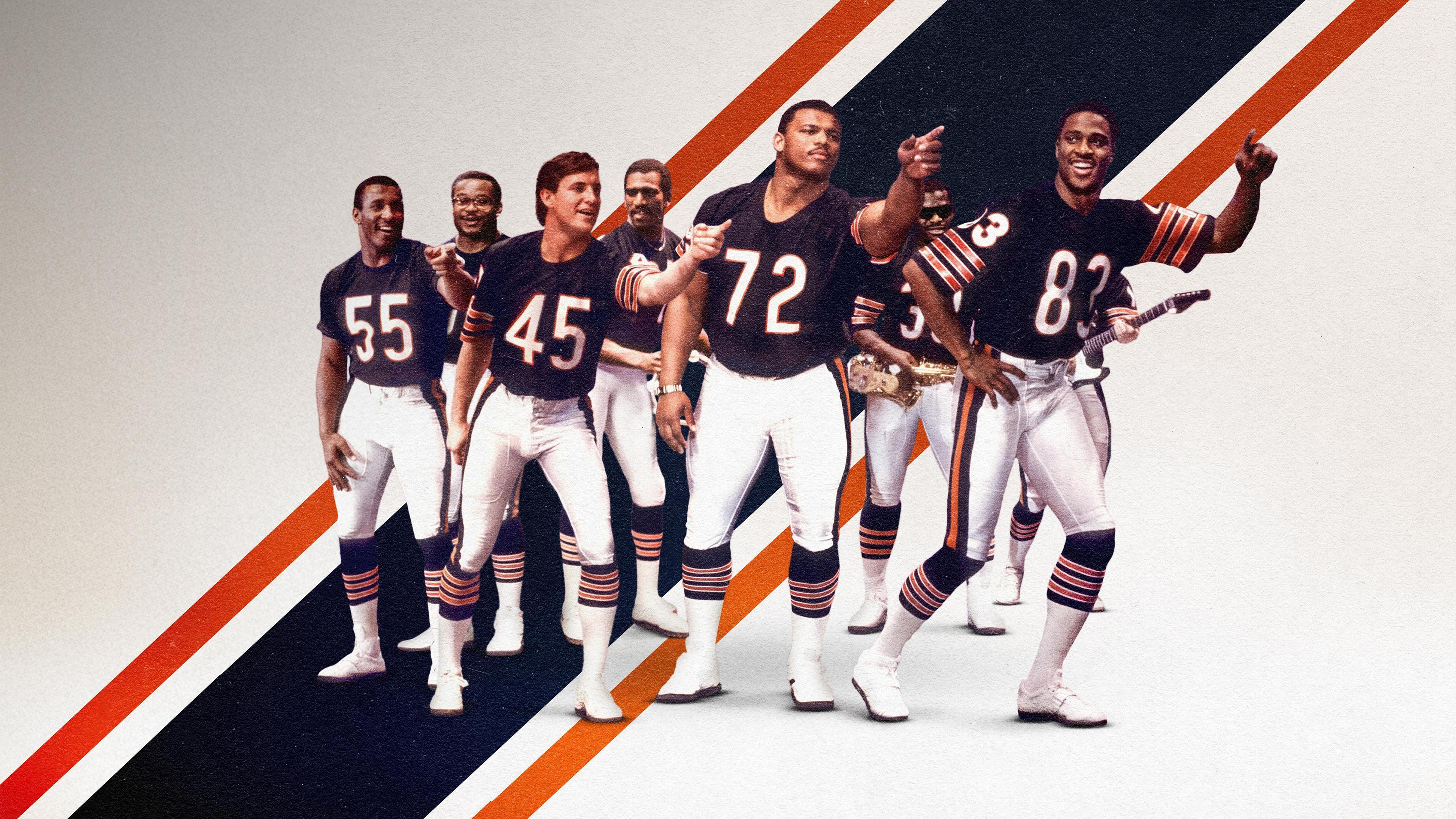
The story behind the making of the 1985 Chicago Bears' rap anthem and video that became a cultural phenomenon, redefined sports entertainment, and cemented the team's larger-than-life legacy.
Top Cast

Willie Gault
Self
Mike Singletary
Self
Jim McMahon
Self
Gary Fencik
Self

Rick Telander
Self
Key Film Crew
Production Stats
You May Also Like

In the form of a filmed epistolary conversation, two young, experienced filmmakers discuss film, present and past family, heritage and maternity. The personal and profound reflections—which are embodied in the graceful images taken day-to-day—are suddenly echoed by the political emergency of a country.
Correspondence
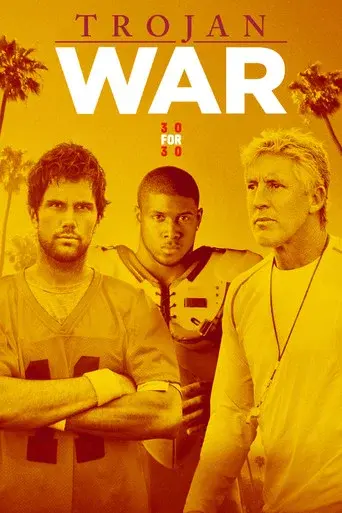
When Pete Carroll took over the football program at USC after the 2000 season, the once-great Trojans were under siege. But thanks to his football knowledge, upbeat personality and recruiting skills, Southern Cal was soon back atop the college football world as home attendance skyrocketed, Carson Palmer, Matt Leinart and Reggie Bush won Heismans and the Trojans put together a 34-game winning streak. As it would be later discovered, though, the program was committing sins that would result in lost scholarships, victories and one of those Heismans. But those revelations didn’t come until after the national championship game in the 2006 Rose Bowl between USC and the University of Texas. Featuring interviews with Carroll, Leinart and others inside the USC program at the time, “Trojan War” looks at Carroll’s nine-year USC reign through the prism of that game, considered one of the greatest in college football history. It was also the beginning of the end.
Trojan War




JEWS excavates a lost world of manners and ritual in home movies shot by several Chicago families from the 1920s through the 1940s. Much as in similar found footage soliloquies by Péter Forgács, Jay Rosenblatt and Ken Jacobs, director Roger Deutsch wrings unexpected pathos from mundane traces of the past. Children mug for the camera with dances of the day, upright mothers march their strollers up the avenue, men smoke, the family gathers around the table to light the candles. The bare title cannot help but raise the specter of contemporaneous events in Europe, lending an extra degree of urgency to the film's meditation on disappearance. - Max Goldberg
Jews

A film in three parts after Oskar Schlemmer's Triadische Ballett (Triadic Ballet).
The Triadic Ballet
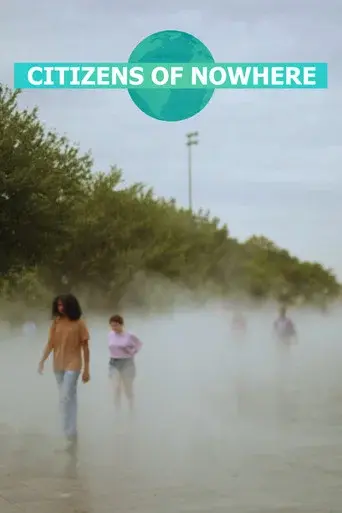
Millennials in the US discover their lack of legal nationality, sparking a search for recognition and belonging that unites them and offers hope for the future.
Citizens of Nowhere
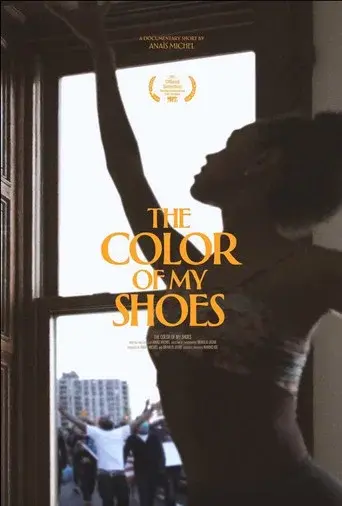
Dance Theater of Harlem's Lindsey Donnell reflects on the obstacles she and other ballet dancers face in ballet and society.
The Color of My Shoes
Documentary about the Szymon Wiesenthal Center and the obstacles, often set by governments not interested in providing any help for the Center's project, it encounters.
Ostatnia szansa
A B'nai B'rith delegation visits the town of Oberammergau to meet with its mayor and the monk who is responsible for the passion play which is presented every ten years. The group discusses their efforts to eliminate the antisemitic tone of the play.
Oberammergau
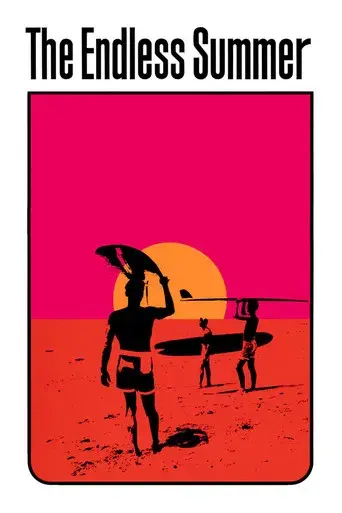
Bruce Brown's The Endless Summer is one of the first and most influential surf movies of all time. The film documents American surfers Mike Hynson and Robert August as they travel the world during California’s winter (which, back in 1965 was off-season for surfing) in search of the perfect wave and ultimately, an endless summer.
The Endless Summer
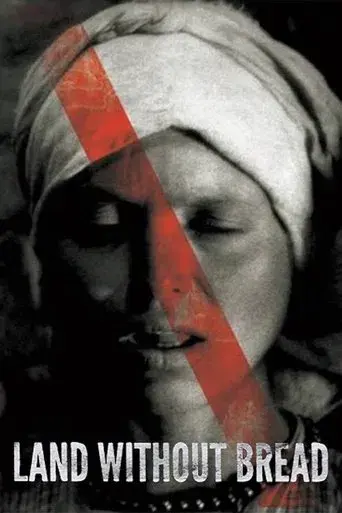
An exploration —manipulated and staged— of life in Las Hurdes, in the province of Cáceres, in Extremadura, Spain, as it was in 1932. Insalubrity, misery and lack of opportunities provoke the emigration of young people and the solitude of those who remain in the desolation of one of the poorest and least developed Spanish regions at that time.