Women at Work
Overview
An introduction to the employment picture in Canada in the late 1950s, designed to inform potential immigrants of job opportunities existing for women. The film reviews many fields of work in which women are engaged, ranging from the highly specialized to the unskilled, and shows much of it being performed by women who have come to Canada from many different lands. Placement services and information services established to help newly arrived immigrants are shown in operation. Viewed from a modern perspective, the greater part of the film accepts as normal the waste of women's talents in repetitive or service jobs while elevating this work to the status of a career. Currently distributed only in 13-minute abridged form.
Key Film Crew
Production Stats
You May Also Like
A short documentary exploring the gender inequality that male artistic swimmers are facing in the Olympics, including intimate interviews with Spanish mixed duet Pau Ribes and Emma Garcia, and legendary American male artistic swimmer Bill May.
Men In Sync
An insightful sit down chat with five of Malta's influential female trailblazers, some of whom are artists, all of whom are paving the way for change.
No Woman Is an Island
Martha Gellhorn, Ruth Cowan, Dickey Chappelle: Three tenacious journalists who forged legendary reputations as war correspondents during a time when battlefields were considered no place for a woman. Their repeated delegation to the sidelines to cover the “woman’s angle” succeeded in expanding the focus of war coverage to bring home a new kind of story— a personal look at the human cost of war. Featuring an abundance of archival photos and interviews with modern female war correspondents, as well as actresses bringing to life the written words of these remarkable women.
No Job For a Woman
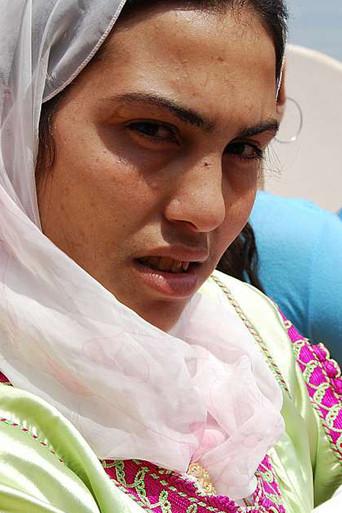
A film about a woman who doesn’t exist. Moroccan Hind was raped and consequently denied an official identity – she has no other choice but to work as a prostitute and traditional wedding dancer, but despite the odds of her situation, refuses to give up her dream of dignity, motherhood and love. This is a story of modern day outlaws, children of prostitutes, abandoned child brides and those who have had to escape to the fringes of patriarchal Moroccan society. Through the eyes of one young woman we see a life of constant struggle, but also a life free of the society’s norms and boundaries. The woman in the centre of the film, Hind, is both vulnerable and courageous as she tries to regain her life, her children and her mere right to live as an equal human being in the 21st century.
Dance of Outlaws
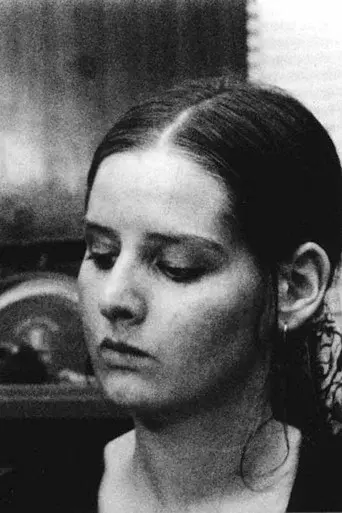
A docu-drama shot in 1970, but not completed until 1973, the film sought to encapsulate in an experimental form issues that were under discussion within the Women’s Liberation Movement at this time and to thus contribute to action for change. In its numerous community screenings, active debate was encouraged as part of the viewing experience.
A Film for Discussion
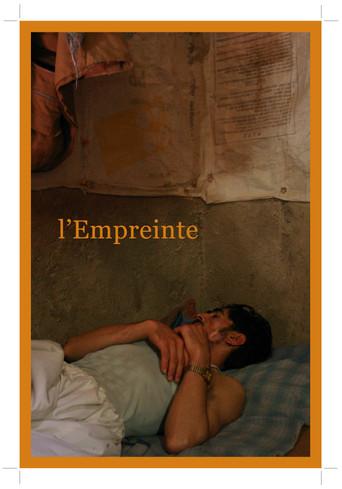
A bakery in Herat in Afghanistan. Twelve hours a day, seven days a week, a dozen employees and apprentices repeat the same gestures, while the camera raises questions about the outside world, about images.
L'empreinte
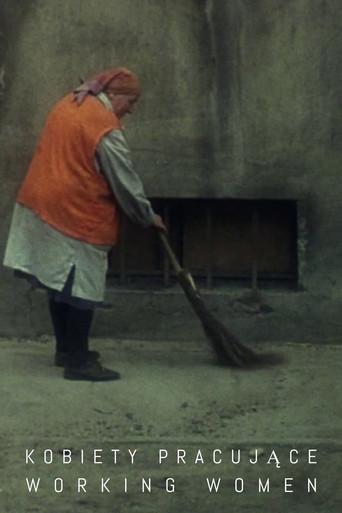
Stylized with dramatic interiors and a distorted frame rate, this early documentary miniature from Szulkin depicts six sequences of solitary, repetitious labor.
Working Women
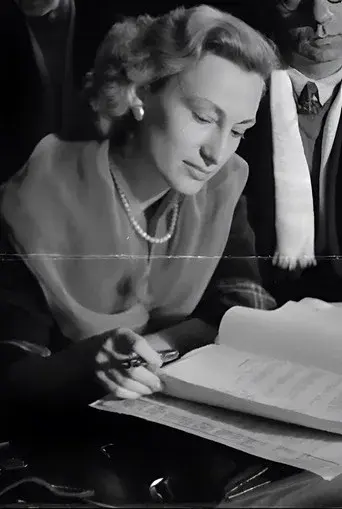
Made on the occasion of March 8, it presents a series of brief portraits of women, from various professional fields, of different ages and even of different ethnicities, pointing out the benefits that the communist organization had brought to their daily lives. A special emphasis is placed on their status as mothers and on the role of nurseries and socialist kindergartens not only in making their lives easier, but also in giving them the time they need to build a career. Another concern of the filmmaker, starting from the concrete case of one of the protagonists, is to highlight the differences between the happy present and the not-too-distant past in which someone with her social status should have dedicated herself exclusively to raising children, in hygienic and extremely difficult lives.
Women of Today

Nearly three years have passed since the "Woman, Life, Freedom" protests in Iran. Many who took part in the 2022 (1401) demonstrations paid a heavy price: some were killed, many were permanently injured, others were sentenced to long prison terms, and many lost their jobs. Among the well-known figures who supported the protests was Taraneh Alidoosti, one of Iran’s most prominent film actresses. After she posted an unveiled photo of herself and later protested the execution of Mohsen Shekari, she was imprisoned. Following her release, she became ill and remained out of the public eye for some time. Alidoosti has also been banned from acting in cinema. For the first time, in the documentary Taraneh, produced by Pegah Ahangarani, Alidoosti speaks about her decision to join the protest movement after the killing of Mahsa Amini. She talks about the day she was arrested at home in front of her little daughter and about the loss of her skin due to an autoimmune disease.
Taraneh: A Documentary
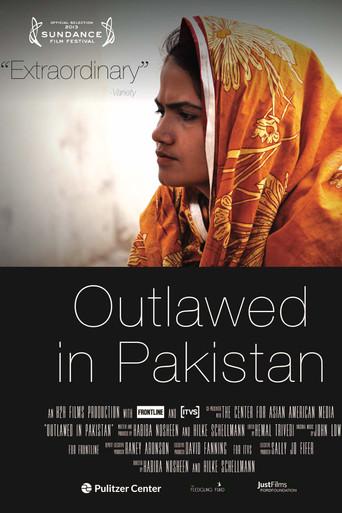
Outlawed in Pakistan tells the story of Kainat Soomro as she takes her rape case to Pakistan's deeply flawed court system in hopes of getting justice. The 13-year-old Kainat accuses four men of gang rape and shortly after is ordered to be killed by her village elders. Spanning over five years, the story is told through the perspective of Kainat and the four men accused of her rape.
Outlawed in Pakistan

A film about occupational diseases. It shows what risks one faces in various professions and presents ways to avoid them. It is necessary to create a healthy work environment, to check the health of workers, to use protective equipment, and to build awareness of basic hygiene rules.
Billions Around Us
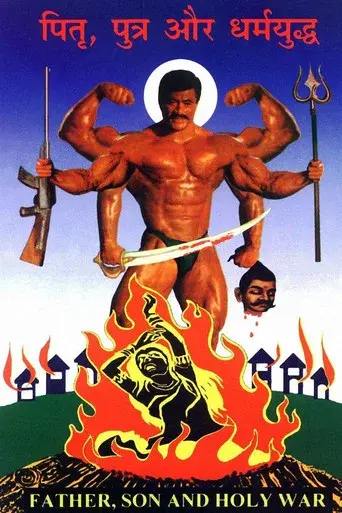
Filmmaker Anand Patwardhan looks to history and psychology as he delves into the possible reasons behind the demolition of the Babri Mosque.
Father, Son and Holy War
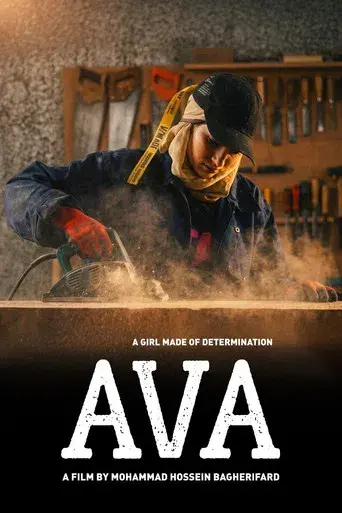
Breaking a centuries-old taboo, Ava stands as the first woman in Iran to master the male-dominated craft of carpentry. Within the grit and clamor of the workshop, she confronts a society that deems her presence forbidden. This observational documentary captures her daily battle against physical hardships and social judgment.