

The Land We Fight For
Overview
A personal telling of the struggles faced by Ukrainian farming families impacted by the Russian war on Ukraine, and their fight to defend their lands.
Key Film Crew
Production Stats
You May Also Like

The film’s story is based on the fate of the Floriculture Pavilion of the former Exhibition of Achievements of the People’s Economy, and its elderly employee Valentyna Voronina, who maintains this space, investing her own life into it, until suddenly changes come to her. After forty-five years of work, she is asked to retire. But Voronina does not agree with that, because she thinks that all the plants will die without her. Meanwhile, a group of mysterious radioesthesists find a channel of positive energy right in front of the entrance to the pavilion.
The Winter Garden’s Tale
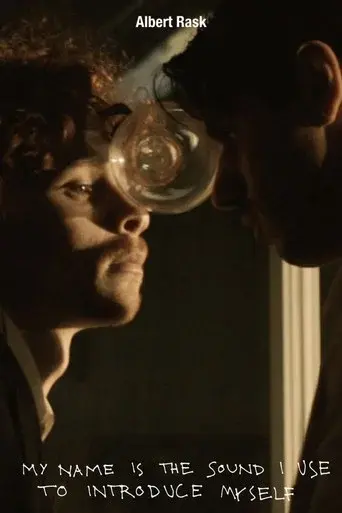

Crossfire is the investigative documentary by an international team of journalists about two reporters, Andrea Rocchelli and Andrej Mironov, killed in eastern Ukraine, and the Ukrainian soldier Vitaly Markiv accused of their murder
Crossfire
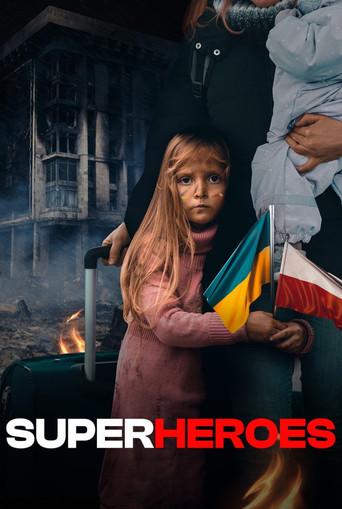
When on February 24, 2022, Russian troops attacked Ukraine, the world stopped. The first shock, however, quickly turned into action. It was a natural impulse of the heart, Poles could not leave their neighbors, their friends from Ukraine completely alone. Almost everyone, residents of small and large cities, young and old, rich and poor, became involved in helping Ukrainians, opened their homes for those fleeing the war, and began to organize humanitarian aid. Did they pass the humanity test?
SuperHeroes
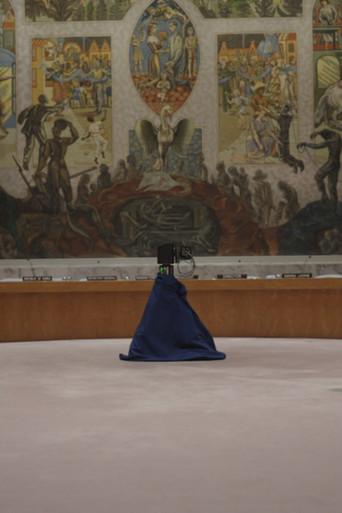
For 80 years, the UN Security Council permanent member veto power has been the subject of constant debate, within the UN and without. The veto itself isn’t going away—it’s ‘veto-proof’. But when vetoes are cast in the face of genocide, war crimes, and crimes against humanity, obligations under international law and the UN Charter must be considered. Such veto uses have led to massive loss of life, displacement of millions, and the multilateral order pushed to a breaking point. The film, featuring leading global experts, puts aside ‘the impossibility of change’ and explores real paths to breaking the Security Council deadlock, and avoiding a third global conflict. This is an urgent film for global audiences — it’s an issue that truly affects us all.
The Veto
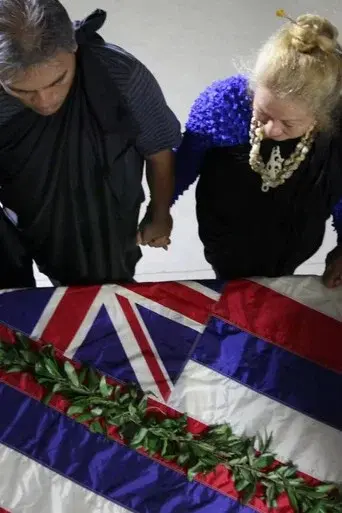
Ka Hoʻina documents members of Hui Mālama I Nā Kūpuna O Hawaiʻi Nei's final repatriation of over 140 sets of iwi kupuna and provides an intimate look into the legacy forged by these committed and passionate few, ensuring that Hawaiians will mālama or care for kupuna for generations to come.
Ka Ho‘ina: Going Home
Ruslana Abrosimova, 17 years old, lives in Mariinka, Donetsk region. Now Ruslana is in an unconditional state of war and is struggling every day with her desire to go out on the street or to stay at home, safe, in her room. War in Ukraine rages for more than five years already. Still, teens never cease to think about studying, discovering new cities and their bright future. Conflict occurs at every step as soon as the children open their room doors. That`s why Ruslana decided to take her camera and start to film her reality.
The View From The Window


Torture in Russian captivity is systematic. In a new documentary, The Kyiv Independent’s War Crimes Investigations Unit uncovers the torture of Ukrainian civilians held by Russian forces and traces the roots of these practices through Russian history. The documentary features civilians from different regions and backgrounds who were detained in occupied Ukrainian territories and in Russia itself. Despite being held at different times and in different locations, their testimonies describe strikingly similar patterns of abuse. By combining firsthand accounts with historical research, the investigation shows how torture has persisted across generations and continues to shape Russia’s war against Ukraine.
Torture Culture

Director Dan Farah got 34 senior members of the U.S. Government, military, and intelligence community to come on camera. He says they reveal an 80 year cover-up of the existence of non-human intelligent life and a secret war amongst major nations to reverse engineer technology of non-human origin. The film explores the profound impact the situation has on the future of humanity, while providing a look behind-the-scenes with those at the forefront of the bi-partisan disclosure effort.
The Age of Disclosure

The face of stone. About the natural beauty of Ural gemstones, about the unparalleled beauty of pieces and jewellery made by Russian master jewellers. Malachite was used in the furnishing of the lounge room at the Winter Palace in St. Petersburg, which is why it is called the Malachite Room. Also featured are malachite items made using the complex technique of Russian mosaic. This semi-precious stone became widely used by craftsmen after the discovery of huge malachite deposits in the Demidov mines in the Urals.
The Face of Stone
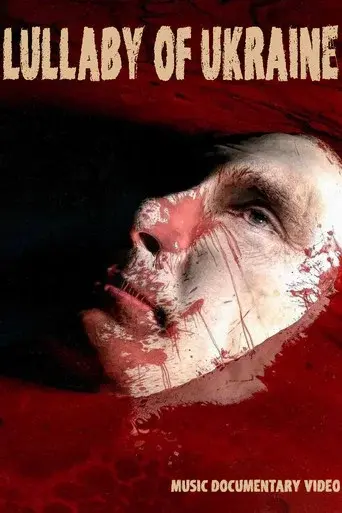
Dedicated to the Children of Ukraine, victims of the brutal Russian invasion...Let everyone ask themselves and the leaders of their countries: what else has to happen, what arguments are needed that Ukraine is finally given the necessary military aid for Victory?
Lullaby of Ukraine
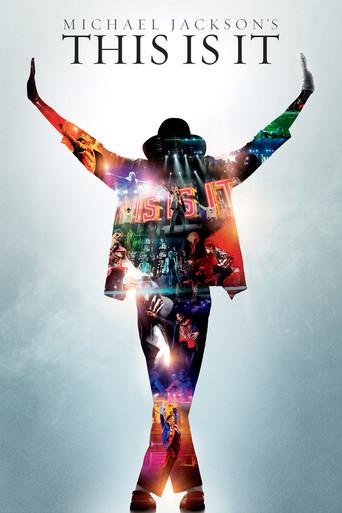
A compilation of interviews, rehearsals and backstage footage of Michael Jackson as he prepared for his series of sold-out shows in London.
This Is It


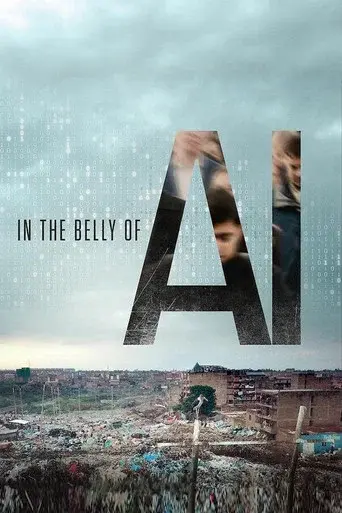
Magical, autonomous, all-powerful… Artificial intelligences feed our dreams as well as our nightmares. But while tech giants promise the advent of a new humanity, the reality of their production remains totally hidden. While data centers are concreting landscapes and drying up rivers, millions of workers around the world are preparing the billions of data that will feed the voracious algorithms of Big Tech, at the cost of their mental and emotional health. They are hidden in the belly of AI. Could they be the collateral damage of the ideology of “Longtermism” that has been brewing in Silicon Valley for several years?