
Underneath the Sequence, Rage: a History of Drag
Original Title: “Sous les paillettes, la rage: une histoire du Drag”
Overview
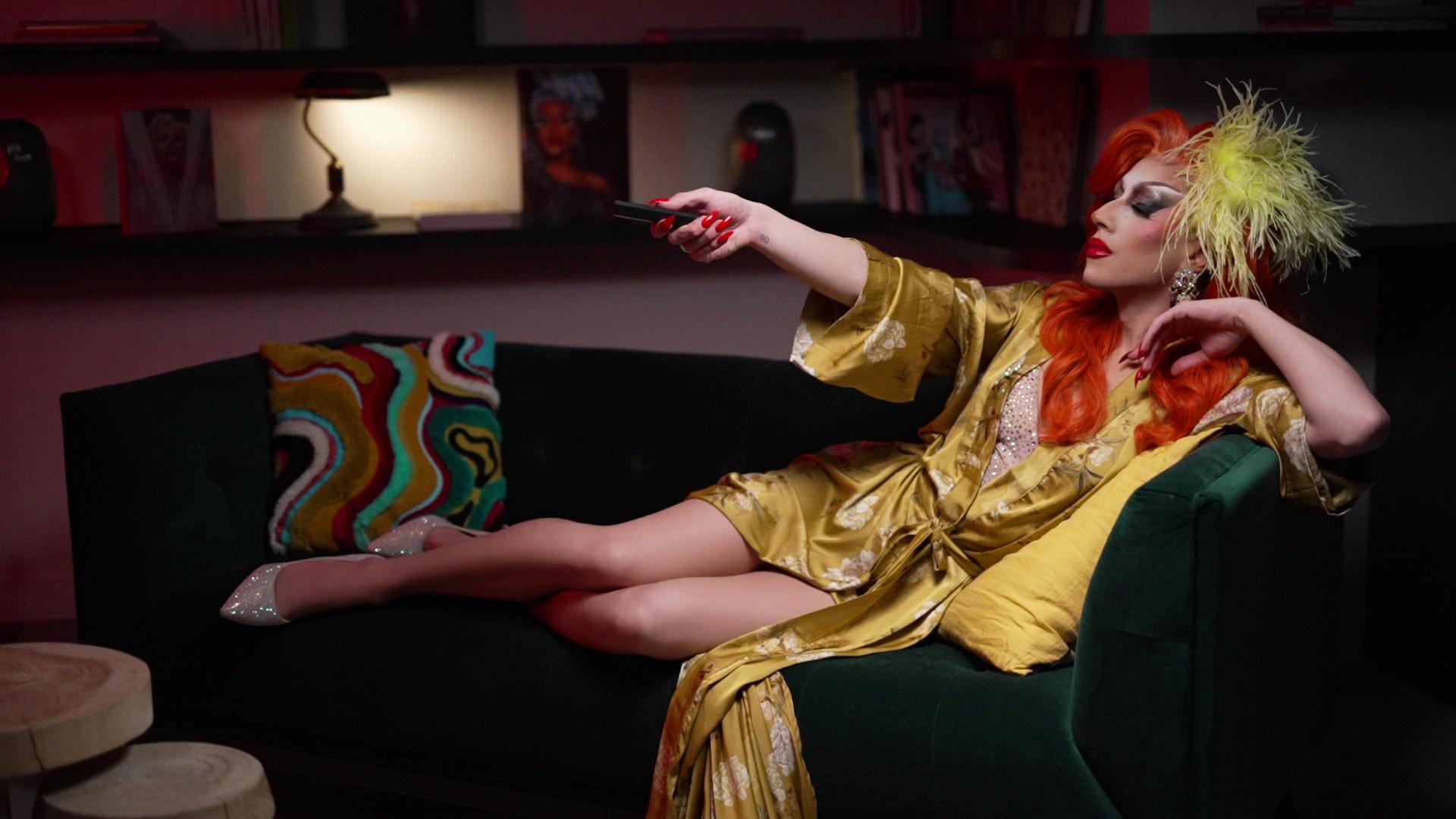
The art of drag represents an artistic transformation where individuals create characters by amplifying gendered traits, challenging established social norms. This practice, known for its spectacular performances, has evolved through periods of repression and acceptance. Through humor and self-mockery, drag disrupts conventions and is deeply rooted in the history of LGBT+ movements. This documentary traces the history of Drag in France and around the world, from William Dorsey Swann—a young emancipated slave considered the first drag queen—to RuPaul, Nicky Doll, and Paloma. Featuring contributions from historians, anthropologists, and sociologists specialized in drag, as well as testimonies from drag artists who are shaping or have shaped this history.
Top Cast

Hugo 'Paloma' Bardin
Self / Narrator (voice)

Tonya Loren
Self

Nicky Doll
Self

Soa De Muse
Self

Cookie Kunty
Self

Esther Newton
Self
Joe E. Jeffreys
Self
Manon Bril
Self
Apolline Bazin
Self
Tyra Priam
Self
Zize
Self
Key Film Crew
Production Stats
You May Also Like

Home movie collection of the Bohulano Family of Stockton, CA. Footage dates between the 1950s-1970s.
The Bohulano Family

Adrianna, a young DJ artist and activist in the queer community, has learned to evolve in a world that is sometimes too stifling for her. By creating her own family and learning trades in which she can use all her creativity, Adrianna is spreading her wings.
MUTANT DOLL
An exploration —manipulated and staged— of life in Las Hurdes, in the province of Cáceres, in Extremadura, Spain, as it was in 1932. Insalubrity, misery and lack of opportunities provoke the emigration of young people and the solitude of those who remain in the desolation of one of the poorest and least developed Spanish regions at that time.
Land Without Bread


Teguh was dishonorably discharged as a policeman due to his sexual orientation. With the support of his partner Tonny, Teguh decided to purue justice by bringing his case to court, an act that has never been done before in Indonesia from the LGBTQI+ community. From this, the question arises, why would he put himself in potential danger by going against the institution? The film tells a love story between Teguh and Tonny, which becomes the foundation of why this fight needs to be fought for.
Teguh


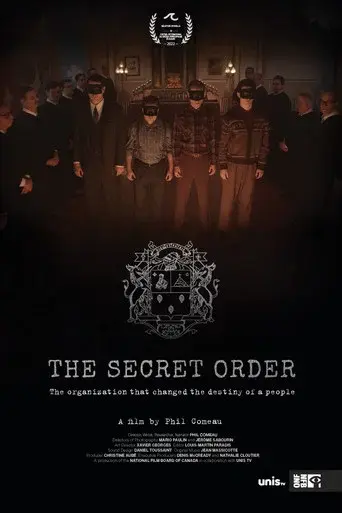
Phil Comeau shines a spotlight on the Ordre de Jacques-Cartier, a powerful secret society that operated from 1926 to 1965, infiltrating every sector of Canadian society and forging the fate of French-language communities. Through never-before-heard testimony from former members of the Order, along with historically accurate dramatic reconstructions, this film paints a gripping portrait of the social and political struggles of Canadian francophone-minority communities.
The Secret Order

Prodigal Korea is a documentary that highlights the cultural divide between the first and second-generation Korean-Americans, particularly in the context of the church. The film showcases the struggles of the second-generation Koreans as they attempt to navigate the cultural expectations of their parents and their own identity crisis as Americans. The documentary features interviews with second-generation Korean-Americans who share their stories of growing up in a culturally traditional Korean family in America. They speak about their struggles to balance the expectations of their parents, who often hold onto traditional Korean values, and their own desire to assimilate and become more American.
Prodigal Korea
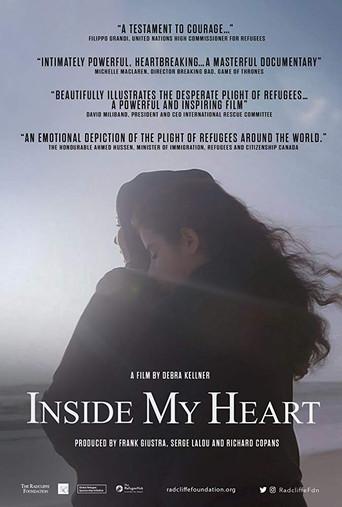
A documentary film by Canadian Director Debra Kellner, produced by Frank Giustra, Serge Lalou, and Richard Copans. Inside My Heart chronicles the plight of three refugee families fleeing their war torn countries over a period of nearly 3 years. Despite having lost everything and their harrowing stories about the atrocities of war, each family continues their fight to stay alive. Unable to return to their countries without the risk of being killed, today they are forced to live with the consequences of their broken dreams.
Inside My Heart

Since the enactment of the Anti-Boryokudan Act and Yakuza exclusion ordinances, the number of Yakuza members reduced to less than 60,000. In the past 3 years, about 20,000 members have left from Yakuza organizations. However, just numbers can’t tell you the reality. What are they thinking, how are they living now? The camera zooms in on the Yakuza world. Are there basic human rights for them?