

Light to Starboard
Overview
This film presents the historical development of lighthouses in Canada, and shows the conversion from keeper-maintained lights to automated equipment.
Key Film Crew
Production Stats
You May Also Like
Christmastime at the Roman Catholic-run Kamloops Indian Residential School in British Columbia.
The Eyes of Children
Phil Comeau shines a spotlight on the Ordre de Jacques-Cartier, a powerful secret society that operated from 1926 to 1965, infiltrating every sector of Canadian society and forging the fate of French-language communities. Through never-before-heard testimony from former members of the Order, along with historically accurate dramatic reconstructions, this film paints a gripping portrait of the social and political struggles of Canadian francophone-minority communities.
The Secret Order

Sweeping in from the frozen vistas of the Arctic to the frenzy of rush-hour traffic, from deep within the Canadian Shield to the orbiting Radarsat satellite, Postcards from Canada takes us on a whimsical trip through this magnificent nation.
Postcards from Canada

For over 200 years, European history has taught us that Newfoundland's Beothuk people are extinct. Giving voice to the Indigenous people, archaeologists, genealogists, and historians from across Atlantic Canada, The Beothuk Story debunks this myth. Here, for the first time in Canadian documentary history, the Beothuk people speak for themselves. This is their story.
The Beothuk Story
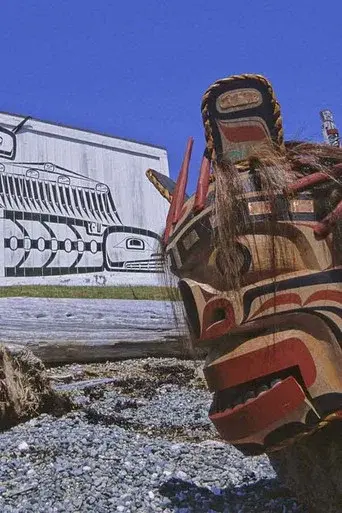
In 1921 the Kwakiut'l people of Alert Bay, British Columbia, held their last secret potlatch. In 1980 at Alert Bay, the U'mista Cultural Centre (U'mista means "something of great value that has come back") opened its doors to receive and house the cultural treasures which were seized decades earlier and only then returned to the people. The center also took up activities such as recording stories told by elders so that some part of the past would always be alive and teaching children about their heritage in order to make them feel connected to their ancestors. This film documents the cultural significance of these events for today's Kwakiut'l people. It is an eloquent testimony to the persistence and complexity of Kwakiut'l society and to the struggle for redefining cultural identity for them.
Box of Treasures
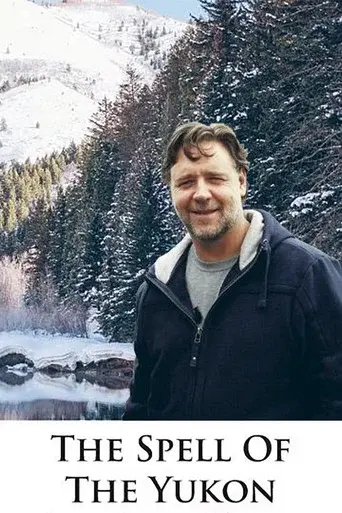
This documentary tells the haunting story of the Klondike Gold Rush in legendary Dawson City. Peppered with Robert Service poems read by New Zealand-born Hollywood actor Russell Crowe, the film recounts how stampedes of fortune seekers came to the Yukon from far and wide in 1897. Less than half of the 100,000 adventurers ever finished the treacherous journey. Archival photographs re-create the saga of the Klondike, including stories from the deadly Chilkoot Pass and Dawson City itself, where fortunes were made and lost overnight. With a personal stake and a sense of wonder, filmmaker Rita Roy discovers a territory still vibrant with legends, and miners still panning for gold under the spell of the harsh yet stunning wilderness.
The Spell of the Yukon
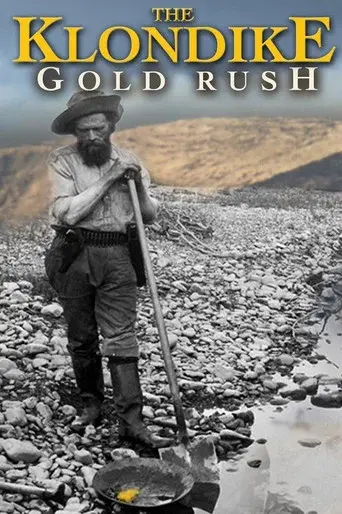
Renowned as the richest gold strike in North American mining history, the Klondike Gold Rush (1896-1899) set off a stampede of over 100,000 people on a colossal journey from Alaska to the gold fields of Canada's Yukon Territory. Filled with the frontier spirit, prospectors came and gave rise to what was one of the largest cities in Canada at that time - Dawson City. The boomtown, which became known as "the Paris of the North", earned the reputation as a place where lives could be revolutionized. Brought to life with excerpts from the celebrated book The Klondike Stampede - published in 1900 by Harper's Weekly correspondent Tappan Adney - and featuring interviews with award-winning author Charlotte Gray, and historians Terrence Cole and Michael Gates, The Klondike Gold Rush is an incredible story of determination, luck, fortune, and loss. In the end, it isn't all about the gold, but rather the journey to the Klondike itself.
The Klondike Gold Rush

A feature-length documentary from Canadian Geographic Films, and presents a powerful and emotional story celebrating the 100-year history of the Royal Canadian Air Force (RCAF). Through its backdrop of rarely seen RCAF archival footage and dramatic contemporary footage, the film showcases compelling stories from past and present RCAF members from across Canada.
Wings of Honour

Brion Whitford is an Ojibway filmmaker who lives with the pain of advanced diabetes. As his health worsened, his interest in his own culture grew. The film follows Brion’s struggle to regain his health by learning about the medicine wheel, a holistic tool grounded in Indigenous understanding of the interconnectedness of all dimensions of life. As Brion seeks to get well he explores the historical trauma of colonization and how it continues to affect Indigenous peoples’ physical and psychological well-being.
The Gift of Diabetes
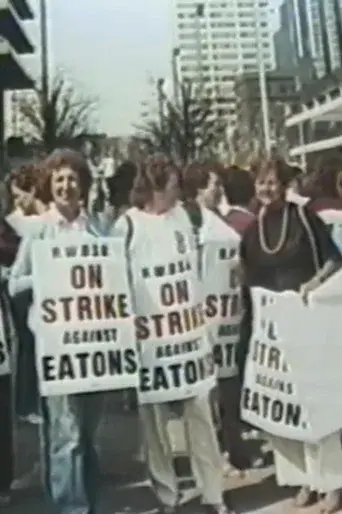


After the Indian Ocean Tsunami of 2004, widowed women struggled to receive aid due to their social status. Following the story of Mrs. Manjula along with many other women from Tamil Nadu, the challenges faced by millions of widows across the country are illuminated. From being ostracized to denied basic rights and economic opportunities, widows in India endure a cycle of discrimination and marginalization. “Kalangarai” meaning "lighthouse" in Tamil, is an organization dedicated to empowering women through initiatives such as self-help groups and educational programs. Throughout the film, "Lighthouse" illustrates the emotional journeys and resilience of these women, as well as the active change that Kalangarai strives to achieve. This documentary urges global awareness and support for widowed women’s rights, as the women’s struggles depict the intersectionality of gender, poverty, and social injustice.
Lighthouse

This delightful short film documents a trip by ferryboat to the Maidens lighthouse on the little island of Magee, Co. Antrim, to deliver essential supplies to the lighthouse crew. Shortly after this movie was shot, the lighthouse became fully automated and the need for this service disappeared.
Maidens In Distress

Filmed on location in Saskatchewan from the Qu'Appelle Valley to Hudson Bay, the documentary traces the filmmaker's quest for her Native foremothers in spite of the reluctance to speak about Native roots on the part of her relatives. The film articulates Métis women's experience with racism in both current and historical context, and examines the forces that pushed them into the shadows.
