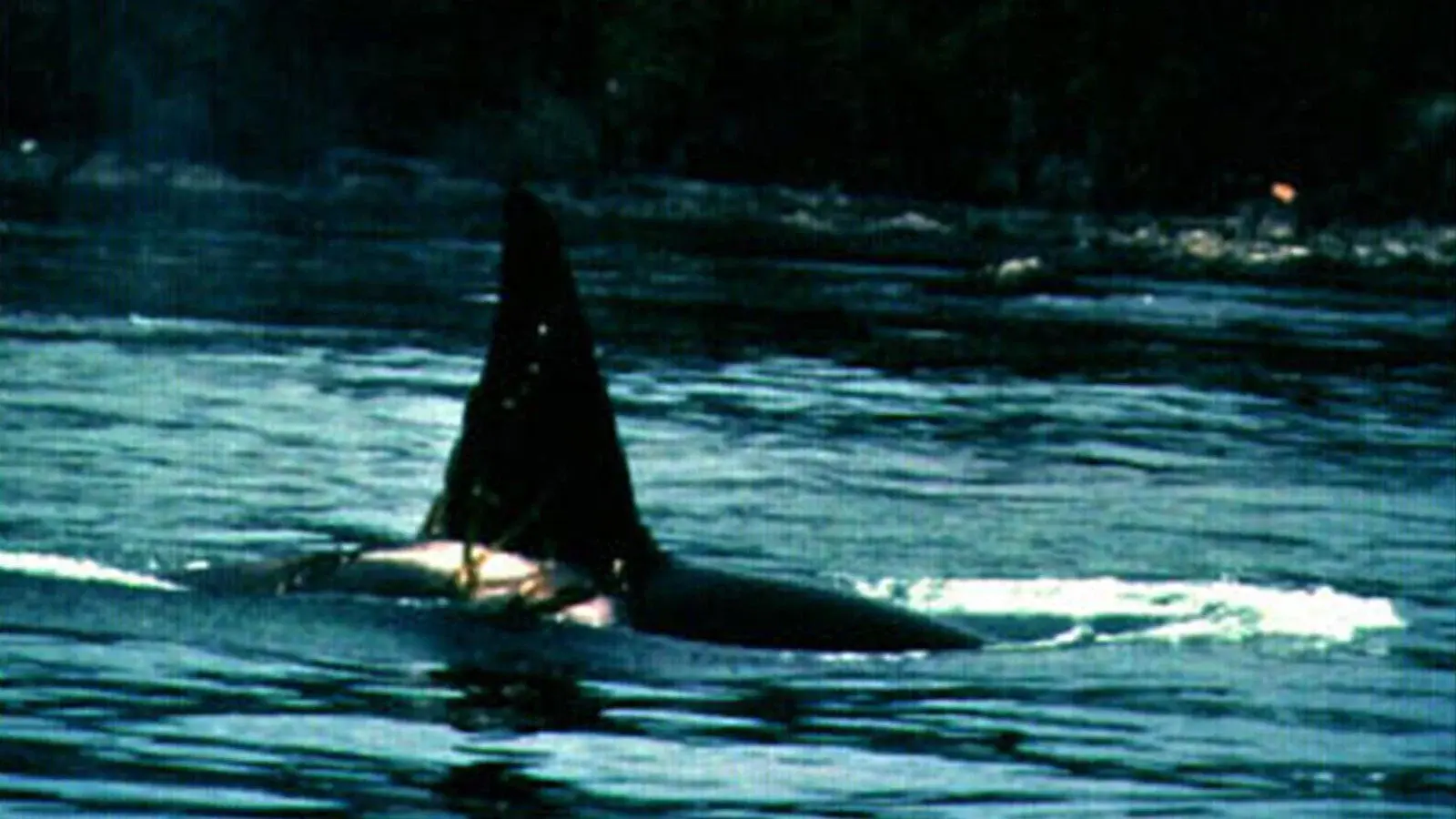

Island of Whales
Overview
This film joins five of the world's leading whale researchers on a scientific expedition around Canada's Vancouver Island. Spectacular photography and sound recording, both above and under water, provide an imtimate look at killer, gray, and humpback whales, and the world they inhabit. Island of Whales examines the communication, habitat, food supply and behaviour of whales. What emerges is a picture of creatures more sophisticated and complex than ever before imagined. At the end of the film, we are left with one compelling question: Can these magnificent creatures survive in the face of declining food supplies and pollution?
Top Cast
Gregory Peck
Narrator (voice)
Key Film Crew
Production Stats
You May Also Like

Gurdeep is a thirteen-year-old Canadian Sikh whose family runs a dairy farm near Chilliwack, British Columbia. They have retained their language and religion. Attendance at the Sikh temple, playing soccer with his schoolmates, and working on the farm are all part of Gurdeep's well-integrated life, but sometimes he feels a little different from the other children because he wears a turban. This film is part of the Children of Canada series.
Gurdeep Singh Bains

Throughout the course of the Haida basketball season, leaders of iconic rez ball team the Skidegate Saints compete for two titles - defending their All Native Basketball Championship, while also battling for title to their land and waters with the government that stole it from them with the Indian Act.
Saints And Warriors

Contrasting ancient myth and modern reality, this short documentary examines the legendary relationship between West Coast Indigenous people and salmon, once their staple food. In the mythical realm, we learn how Raven finds riches in the harvest of the salmon, only to lose everything through a thoughtless act against the Spirit of the Salmon. So too does modern man jeopardize his living from the sea by heedless action. Images of ancient spear-fishing and smoke-houses contrast with images of today's Indigenous people operating a seiner and working in a cooperative cannery.
Salmon People

This short documentary introduces us to a town where no one pays rent: Simoom Sound in central British Columbia, where loggers live on sturdy river craft. Every week there are visitors: the general storekeeper, the flying postman and most importantly, the forest ranger, who is ever alert to the threat of fire.
The Water Dwellers
The injustice of the Japanese internment is explored through the story of Kyuichi Nomoto, one of the first Japanese Canadians to graduate from UBC, who suffered a breakdown deep in the BC Interior.
Nomoto: A BC Tragedy
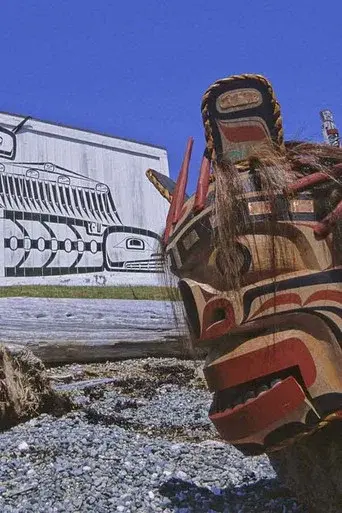
In 1921 the Kwakiut'l people of Alert Bay, British Columbia, held their last secret potlatch. In 1980 at Alert Bay, the U'mista Cultural Centre (U'mista means "something of great value that has come back") opened its doors to receive and house the cultural treasures which were seized decades earlier and only then returned to the people. The center also took up activities such as recording stories told by elders so that some part of the past would always be alive and teaching children about their heritage in order to make them feel connected to their ancestors. This film documents the cultural significance of these events for today's Kwakiut'l people. It is an eloquent testimony to the persistence and complexity of Kwakiut'l society and to the struggle for redefining cultural identity for them.
Box of Treasures

In Polynesia, as humpback whales come to breed in the warm waters of the Pacific, Natoo immerses herself in a timeless experience.
Le souffle de vie

A core group of architects embraced the West Coast from Vancouver to LA with its particular geography and values and left behind a legacy of inspired dwellings. Today, architects celebrate the influence established by their predecessors.
Coast Modern

In Egypt's Sahara Desert, massive skeletons with strange skulls and gigantic teeth jut out from the sandy ground. This fossil graveyard, millions of years old, is known as the "Valley of the Whales." Now, paleontologists have unearthed a whole new species of ancient whale dating to 43 million years ago, and this predator wasn't just able to swim – it also had four legs and could walk. Follow scientists as they search for new clues to the winding evolutionary path of mammals that moved from the land into the sea to become the largest animals on Earth.
When Whales Could Walk

This multiple-award winning documentary chronicles the life of acclaimed mountaineer Ruedi Beglinger. Living with his wife and two young daughters on a remote glacier in the vast mountains of British Columbia, Beglinger has built a reputation as one of the top ski mountaineering guides in the world. The film follows his family’s unique life off the grid and their journey in the years following a devastating avalanche that killed seven people. Documenting the sublime beauty and ever-present risk of a life lived on the edge, the film ultimately explores the power of nature as both an unforgiving host and profound teacher.
A Life Ascending

The wolf of British Columbia is on a quest to master water, fishing and swimming. According to several specialists, the wolf is at the first stage of a process that could turn it into a marine mammal. How will its evolution unfold?
The Wolf: Marine Mammal
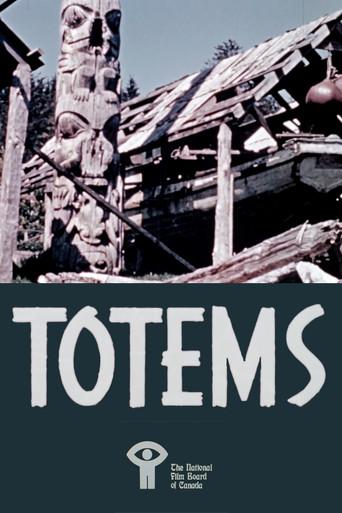
For Indigenous peoples the totem pole is the symbol of life, portraying the relationship between humans and animals. Fitting into the landscape of British Columbia, these monuments, witnesses to an ancient and powerful culture, look down at us. The group "Indians of British Columbia" singing group provide a powerful soundtrack as Haida and Tsimshian people talk about poles in their communities.
Totems

The human impact on forests is explored through breathtaking vistas and poignant vignettes set in Canada's Pacific Northwest. Those who rely on this precious resource highlight the tensions and dilemmas between commodification and conservation.
Silvicola

Two young brothers from the Lil'wat Nation set out to ski the sacred mountain they were raised beneath, pushing both themselves and their culture to evolve. To most skiers in British Columbia, Ts’zil (Mount Currie) is a true gem. The gorgeous mountain looms high above Pemberton and is home to many stories of skiers and snowboarders pushing themselves on the classic lines of its Northwest Face. But while Ts’zil is the backdrop to life in the valley, it’s easy to forget that the history of Ts’zil goes much deeper than what's been skied or snowboarded.
Slides on the Mountain

This film takes us into the harsh realm of BC's early coal mines, canneries, and lumber camps; where primitve conditions and speed-ups often cost lives. Then, the film moves through the unemployed' struggles of the '30s, post WWII equity campaigns, and into more recent public sector strikes over union rights.
These were the reasons

When Masset, a Haida village in Haida Gwaii (formerly known as the Queen Charlotte Islands), held a potlatch, it seemed as if the past grandeur of the people had returned. This is a colourful recreation of Indigenous life that faded more than two generations ago when the great totems were toppled by the missionaries and the costly potlatch was forbidden by law. The film shows how one village lived again the old glory, with singing, dancing, feasting, and the raising of a towering totem as a lasting reminder of what once was.